
CIA / Spy games · History
The CIA Raided a Soviet Ice Station and Hooked Its Men Out of the Arctic
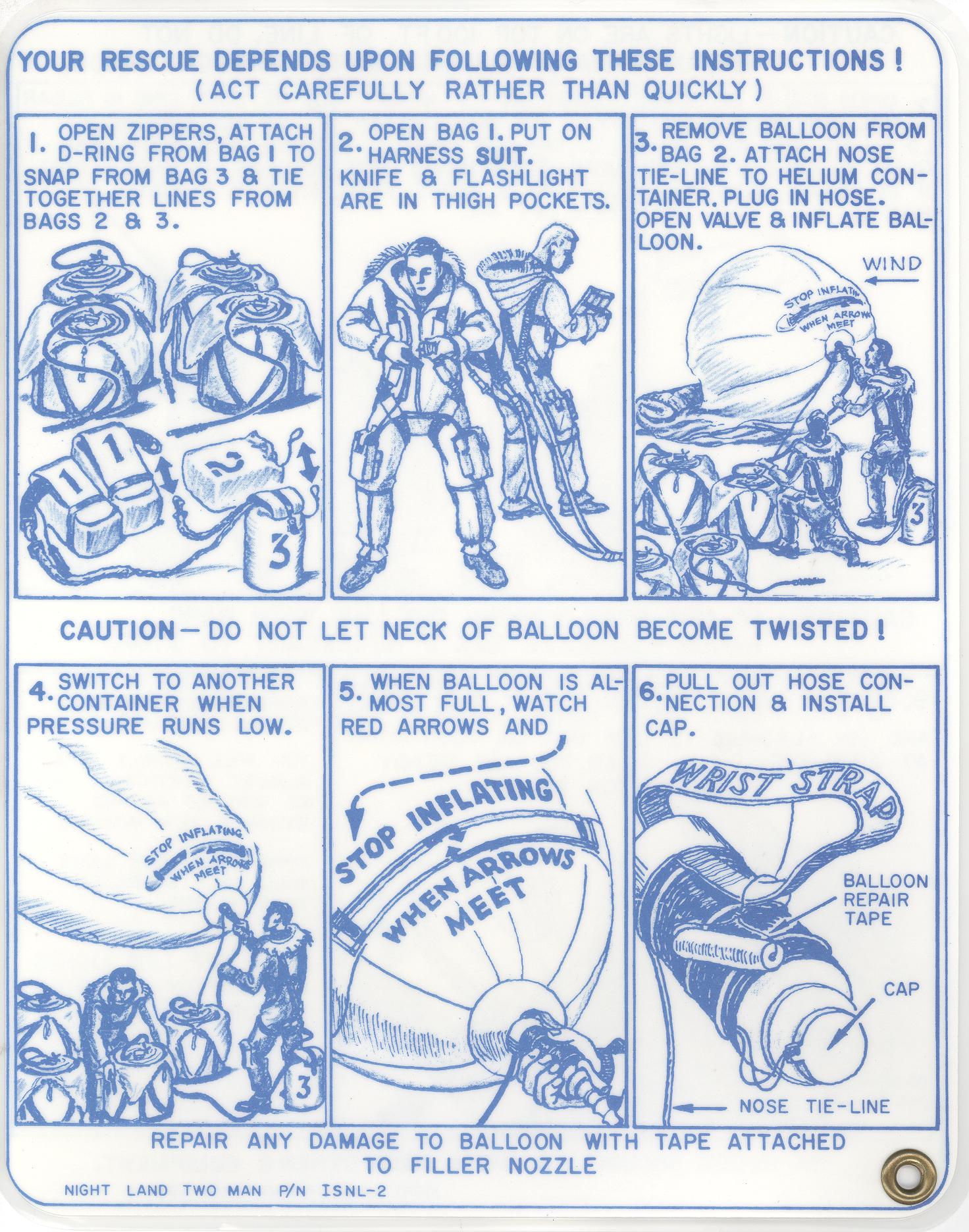
Operation COLDFEET recovered 150 pounds of documents, film and equipment. Getting the collectors home required a balloon, a line and a passing B-17.
SPY REGISTER / THE ARCHIVE
Operations, double lives, stolen secrets and the people behind them.
Operation COLDFEET recovered 150 pounds of documents, film and equipment. Getting the collectors home required a balloon, a line and a passing B-17.
The Joint Chiefs approved proposals for manufactured attacks, a wrecked American ship and a fake airliner incident to build support for an invasion.
The Soviet colonel’s intelligence depended on an inside contact who collected his photographs, replenished supplies and heard his fears.
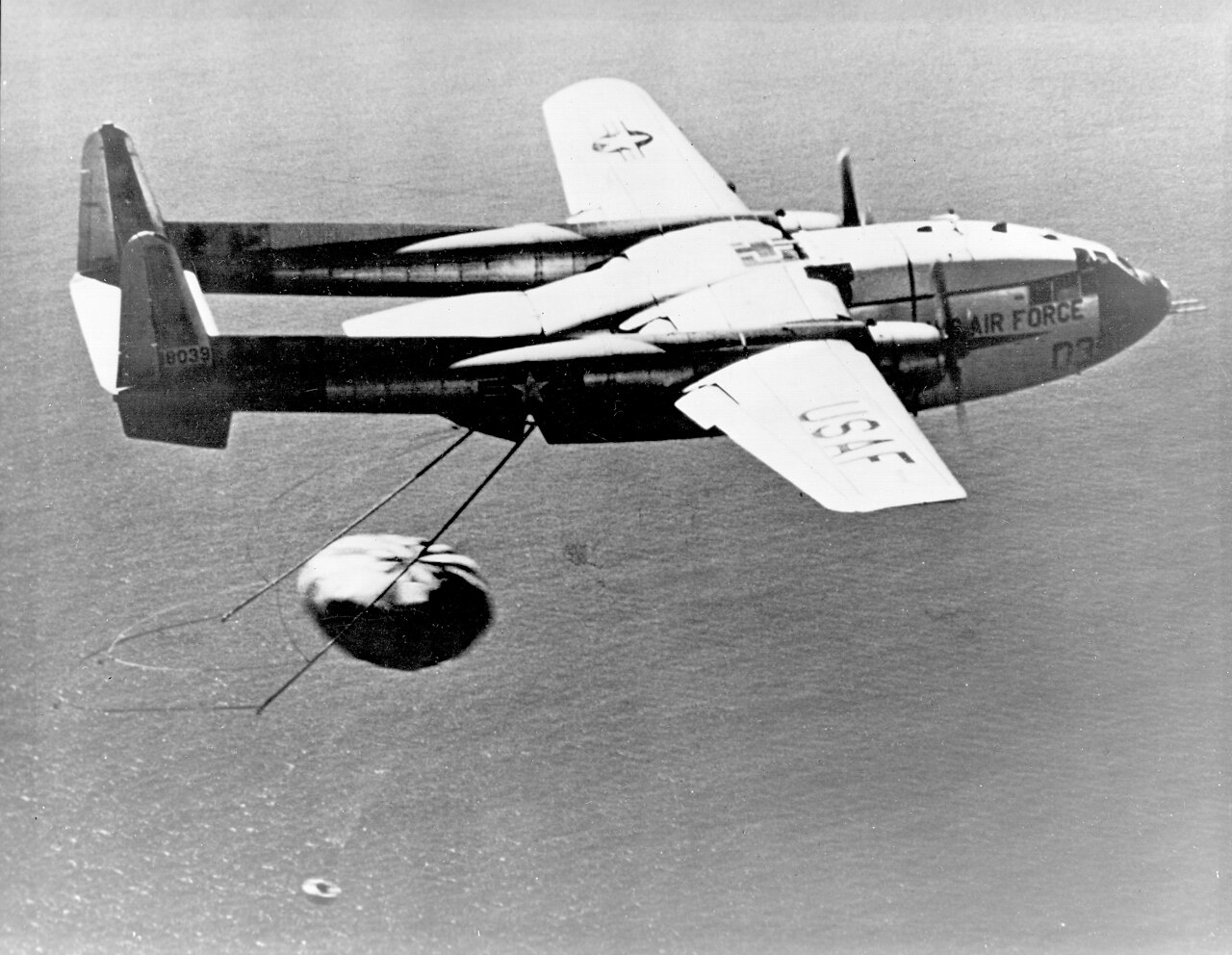
CORONA photographed the Soviet Union from orbit. Reading the film required an extraordinary catch over the Pacific.
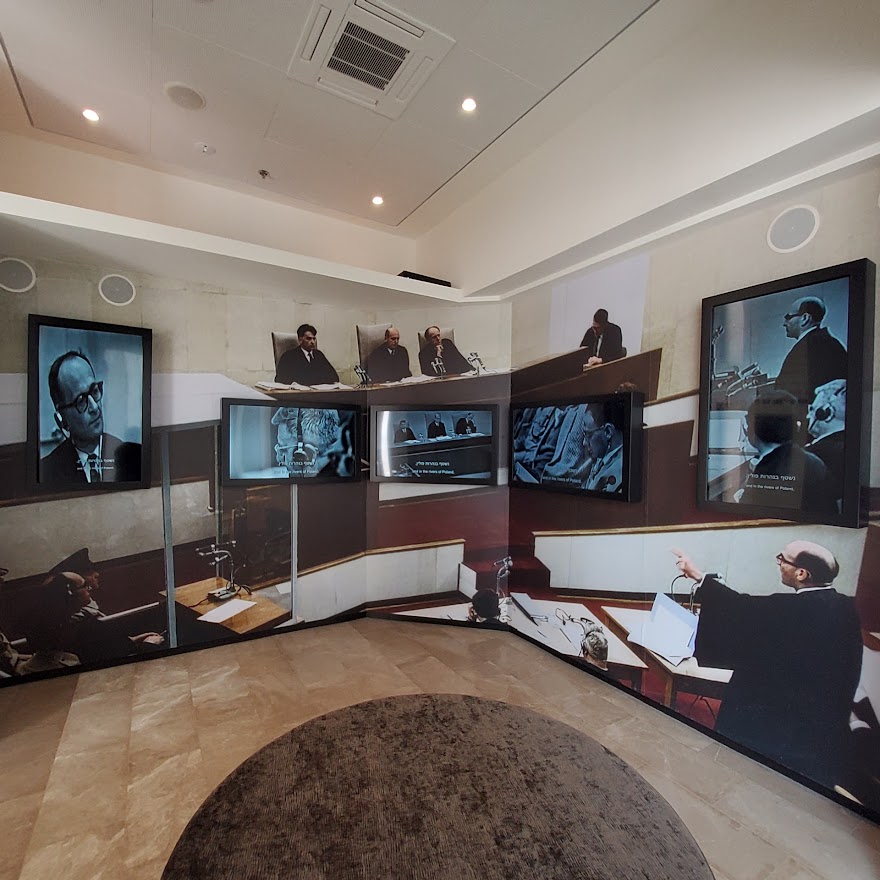
The 1960 operation in Argentina led to a diplomatic clash and a Jerusalem trial that put deportation records and survivor testimony before a global audience.
Francis Gary Powers survived being shot down over the Soviet Union on May 1, 1960. His capture gave Moscow the evidence to unravel America’s cover account.
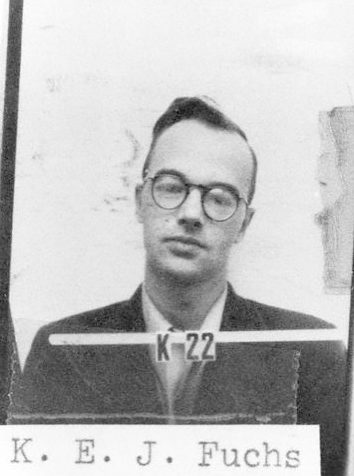
Klaus Fuchs helped build the bomb and passed its secrets to Moscow. Catching him required turning intelligence into a prosecution.
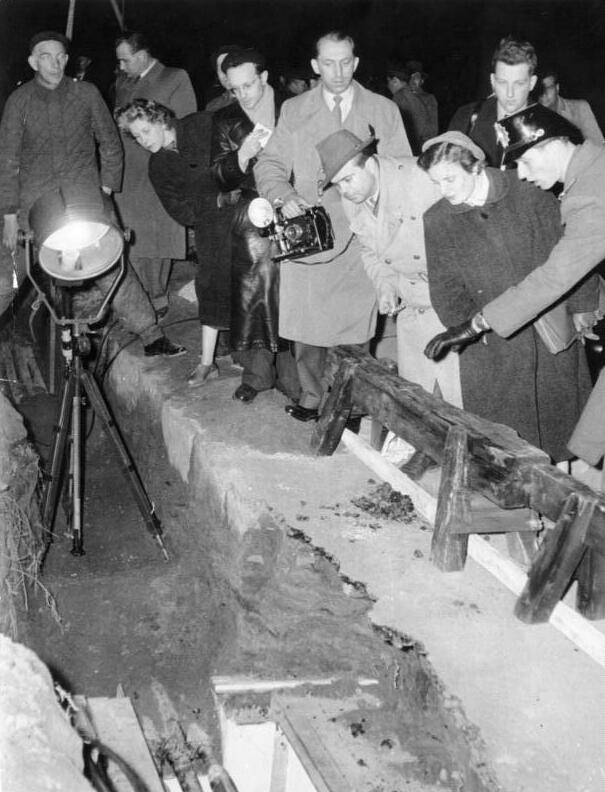
George Blake betrayed the joint CIA–MI6 operation during planning. The KGB protected him while Western analysts collected almost a year of Soviet traffic.
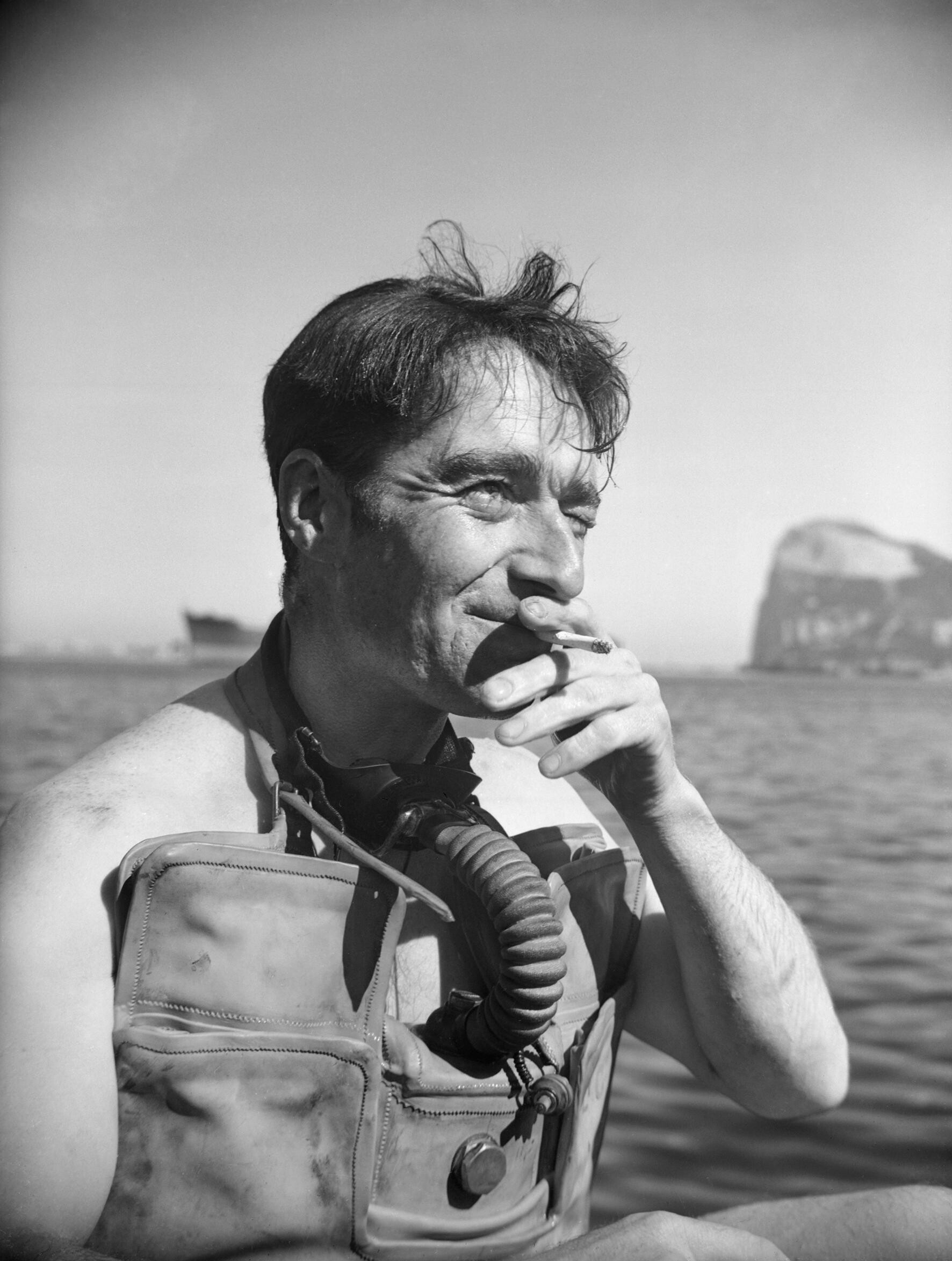
Lionel Crabb vanished during a dive against Soviet warships in Portsmouth. The failed operation reached ministers more than two weeks later.
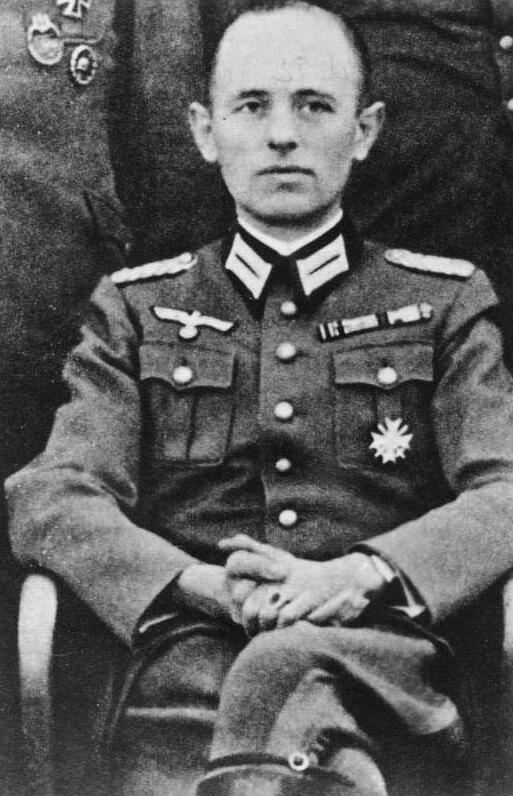
A new German intelligence service inherited Gehlen’s network, American sponsorship and personnel whose wartime records could not be wished away.

The banana company’s property dispute became entangled with Washington’s Cold War crusade. The CIA’s own record shows how far the intervention went.
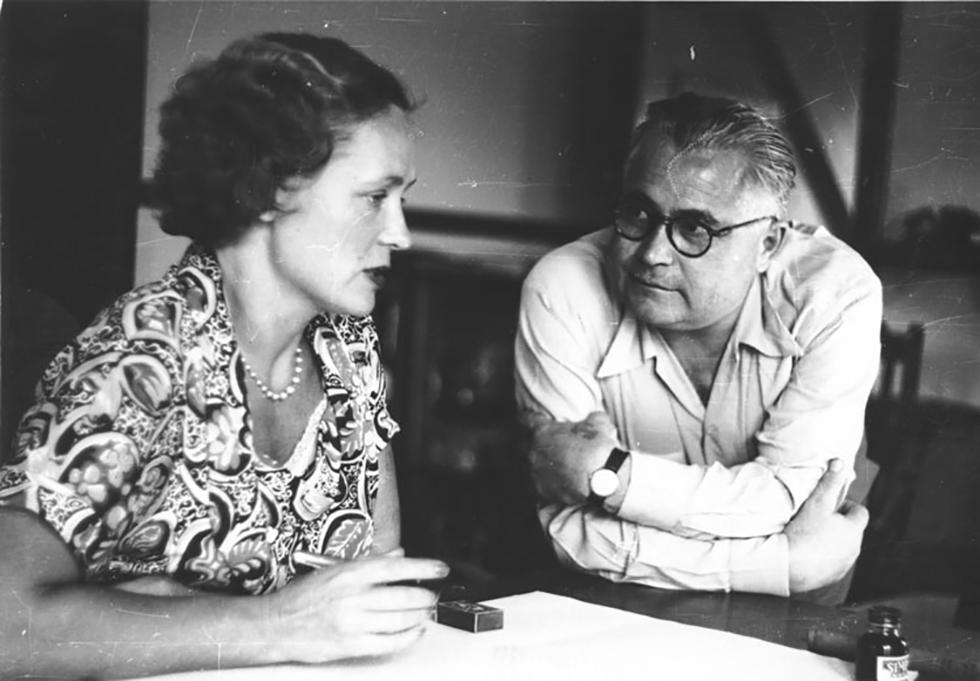
The Petrovs’ 1954 defections exposed Soviet espionage. Protecting the couple brought questions about citizenship, publicity and voluntary national-security press notices.
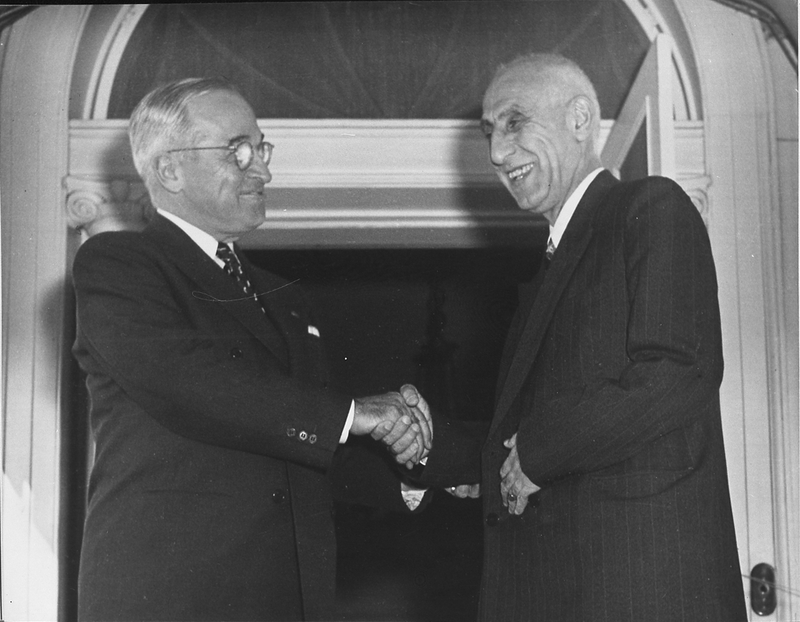
A surviving internal account sets out the target, the replacement and the political machinery behind Mosaddeq’s fall.
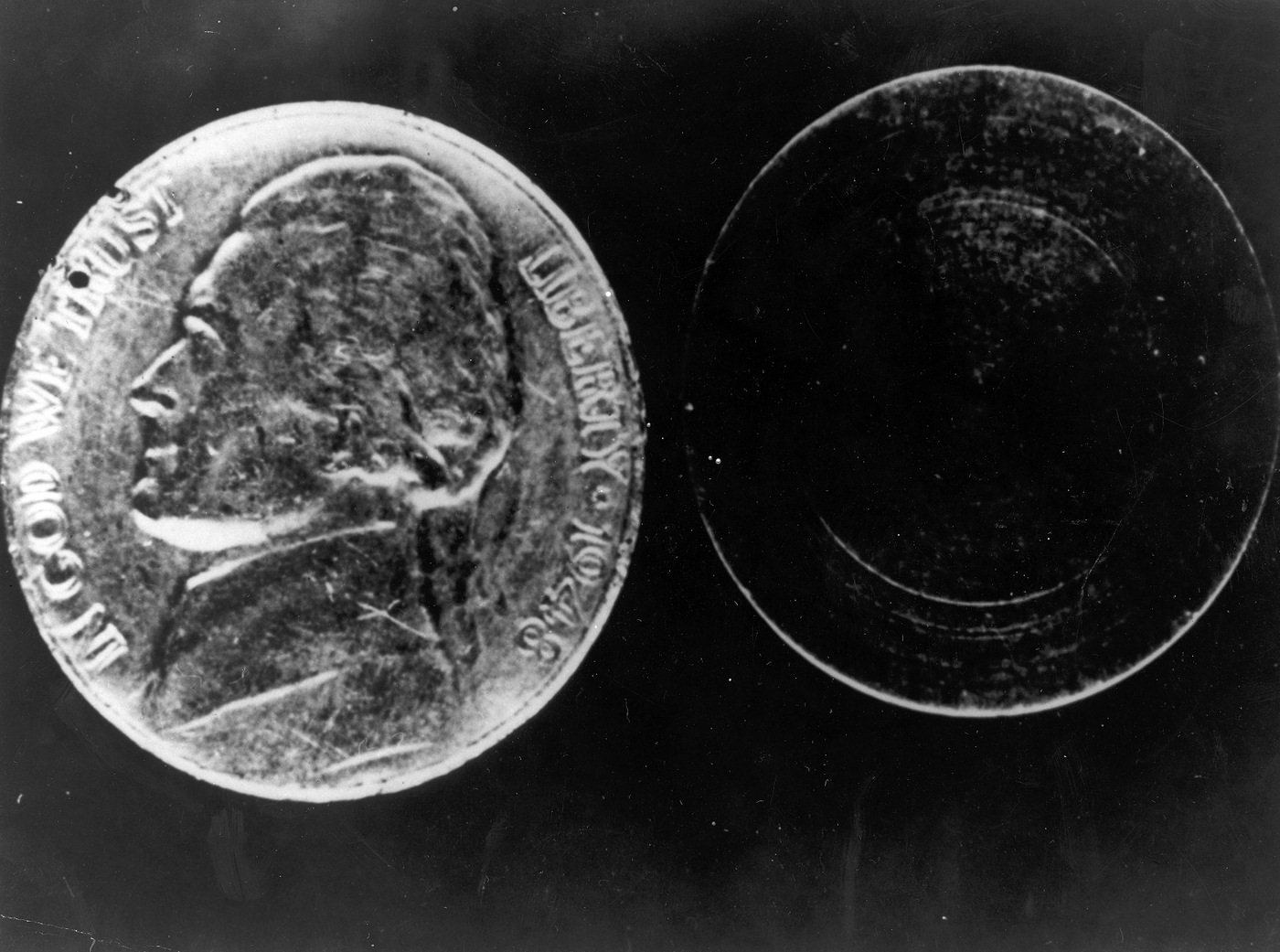
A five-cent coin split open on a Brooklyn floor in 1953. The coded message inside defeated the FBI for four years.
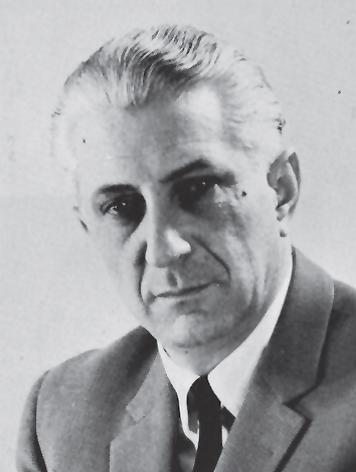
Amos Manor survived Auschwitz, left Romania under an assumed name and joined Israel’s security service within weeks. Four years later, he was running it.
The SOE courier maintained a cover story, protected colleagues and survived more than two years in enemy custody.
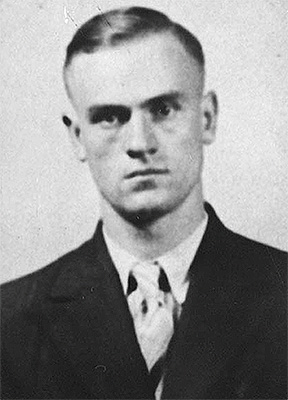
Igor Gouzenko’s 1945 defection exposed a Soviet network in Canada. His first problem was persuading anyone to listen.
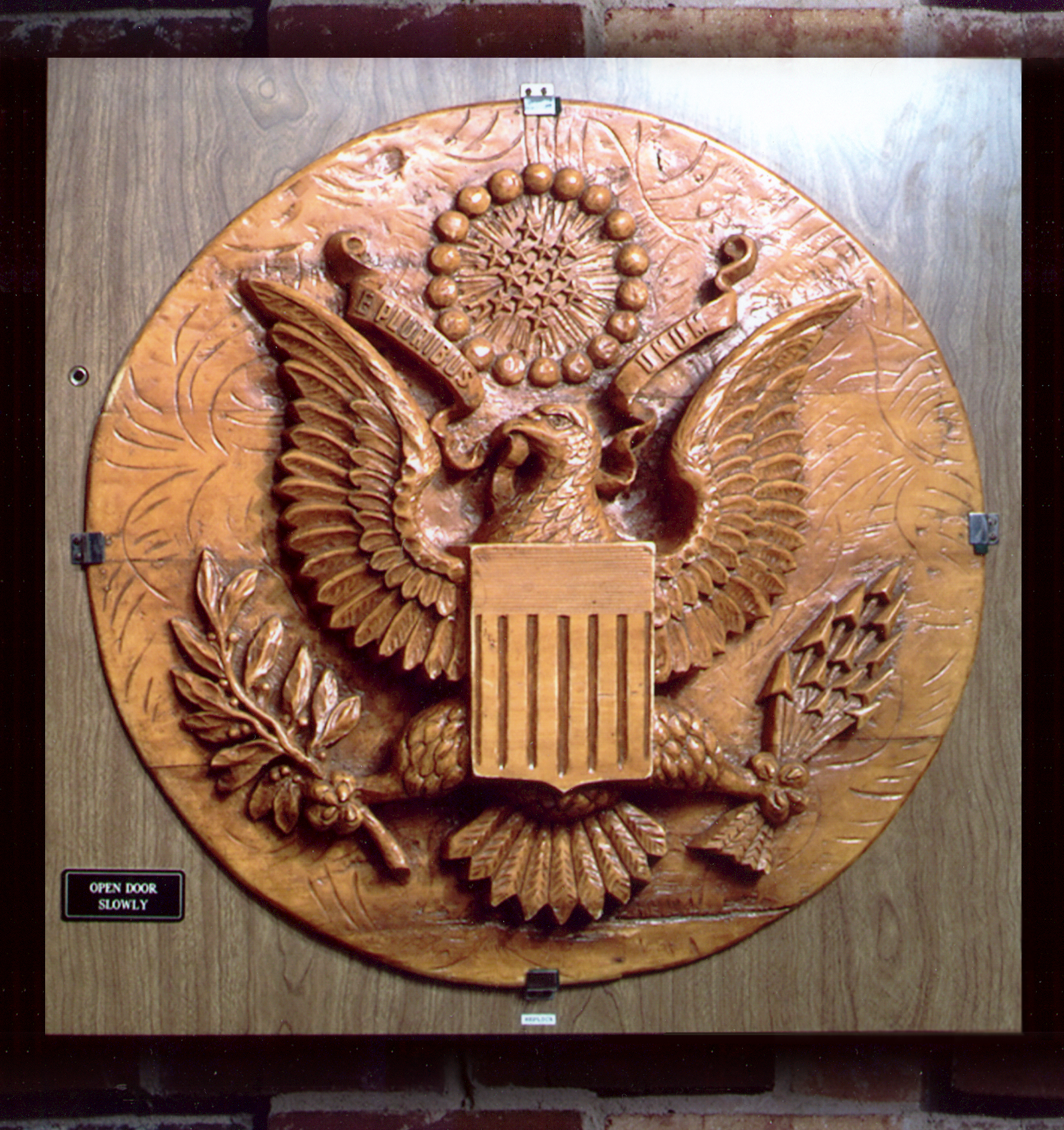
Soviet schoolchildren delivered the gift. An American ambassador hung it in his office. The listening device stayed hidden until 1952.
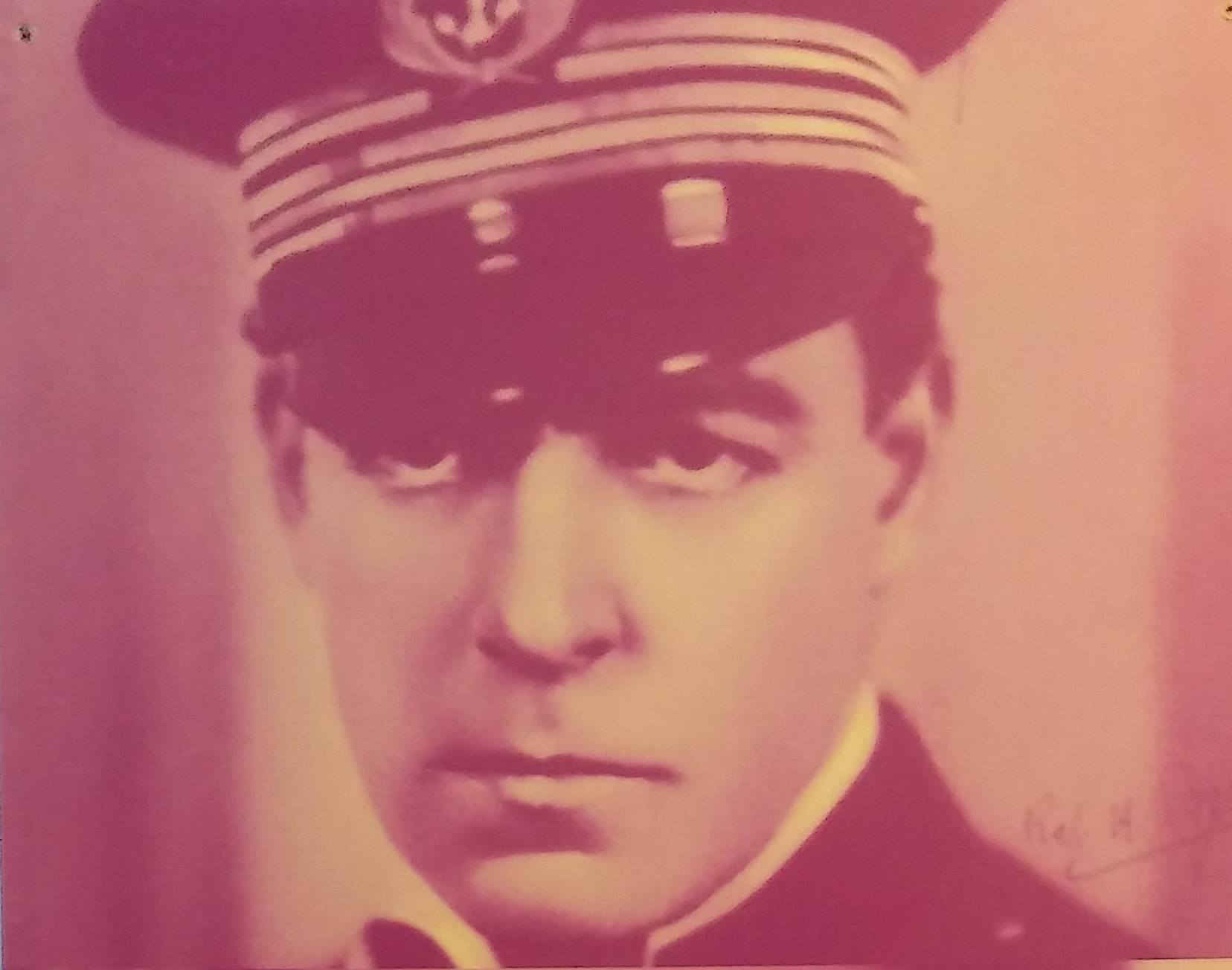
Jacques and Lotka de Prévaux gathered and carried intelligence in southern France before their arrest and execution.
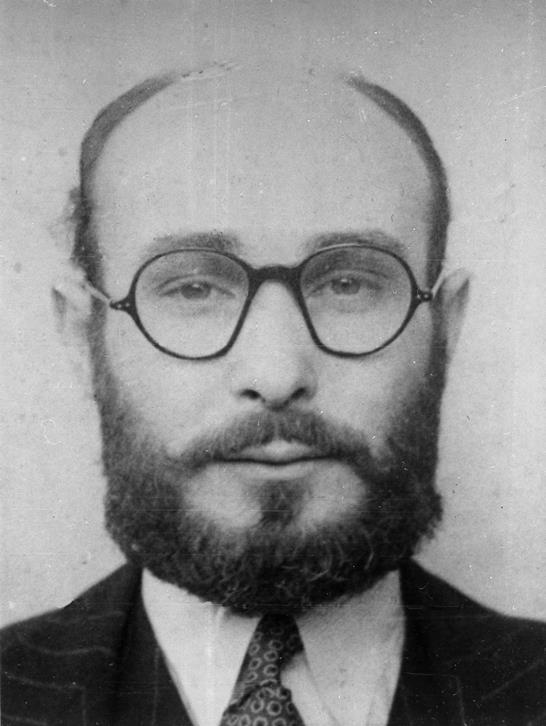
MI5’s double agent built fictitious sources, carefully timed truths and a persuasive story about D-Day. His German handlers rewarded him for it.
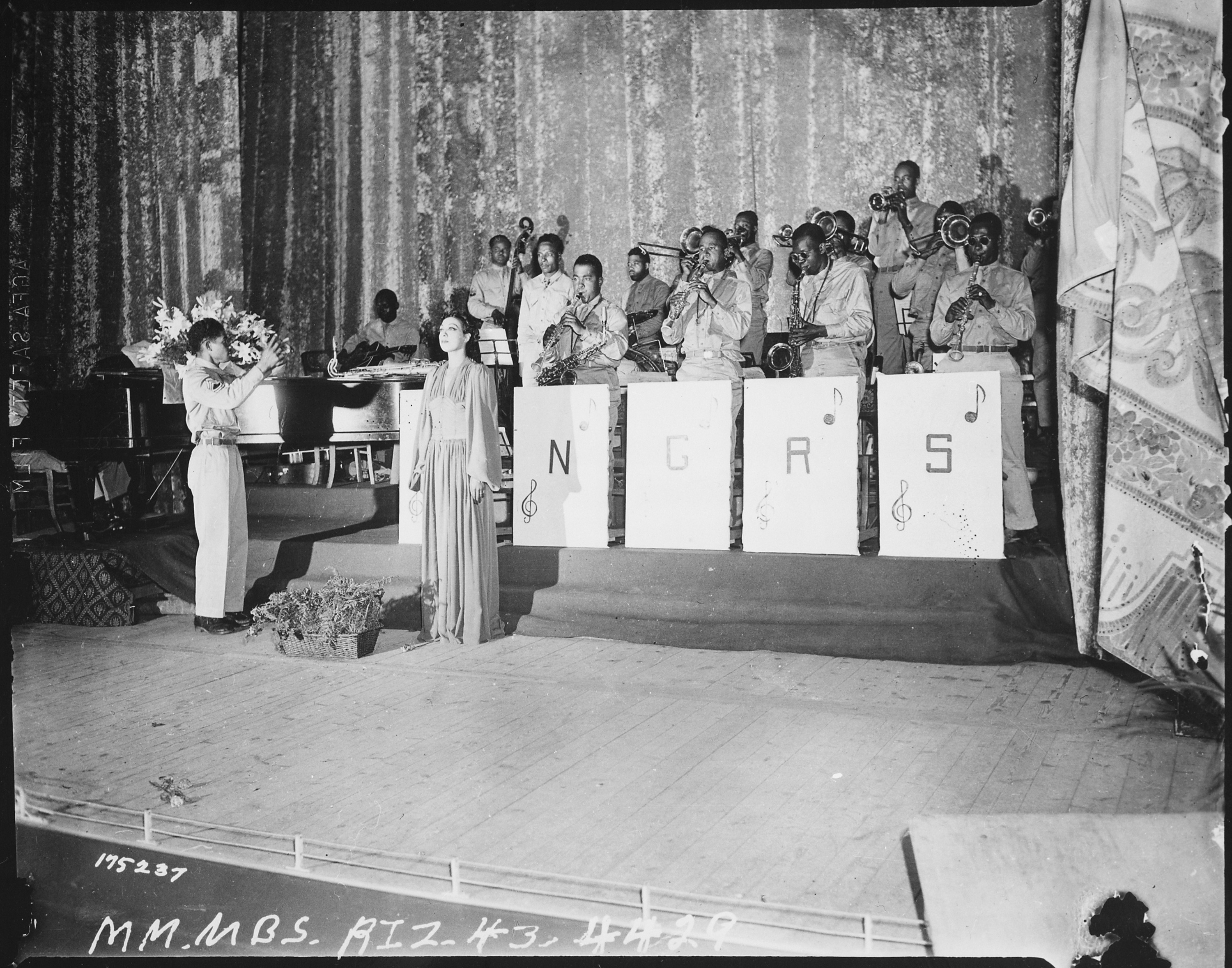
The star’s fame opened borders and embassy doors. French intelligence used the access—and the musical scores in her luggage.
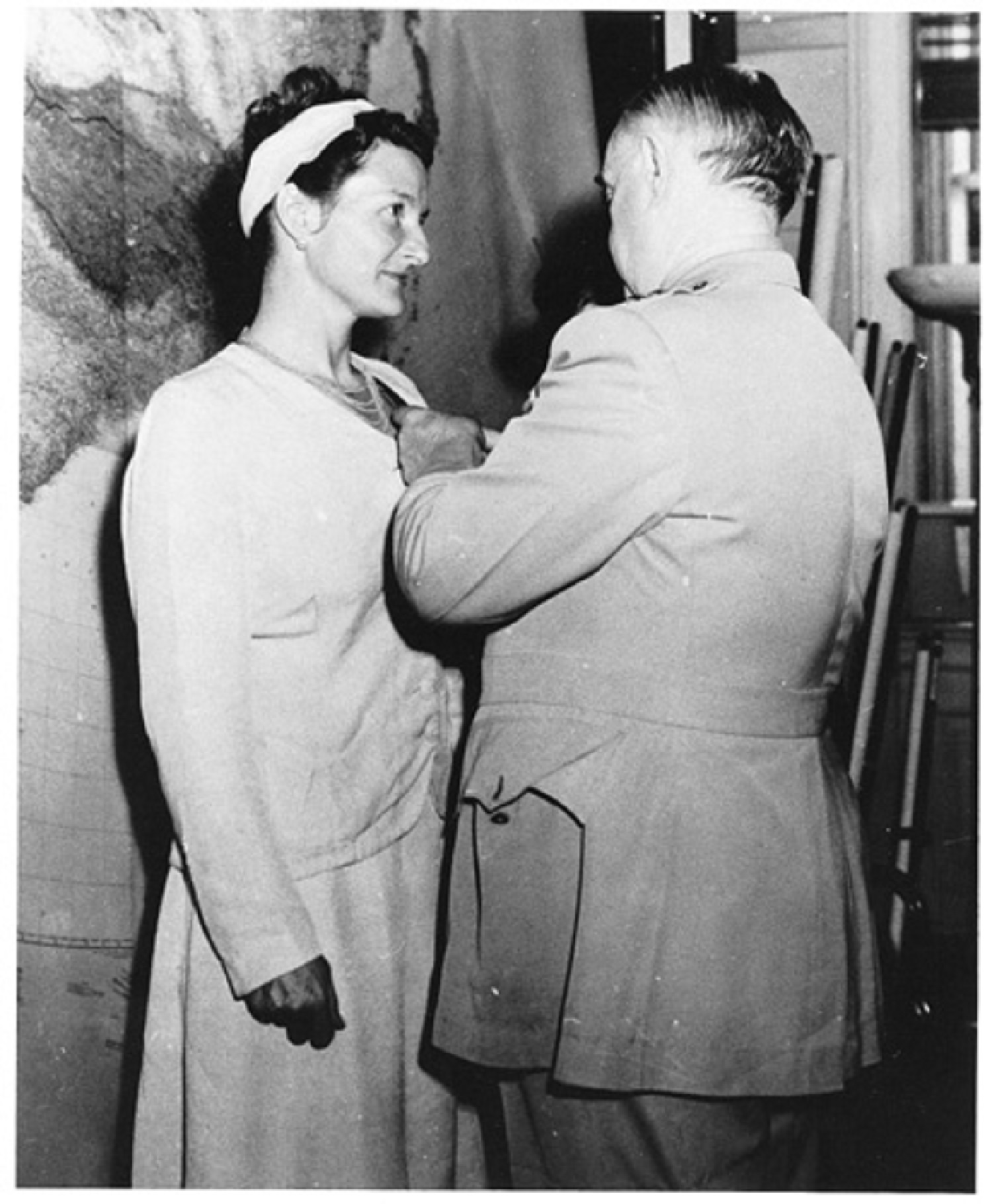
Rejected by the Foreign Service after losing a leg, Hall built resistance networks in France and returned for an OSS mission before D-Day.
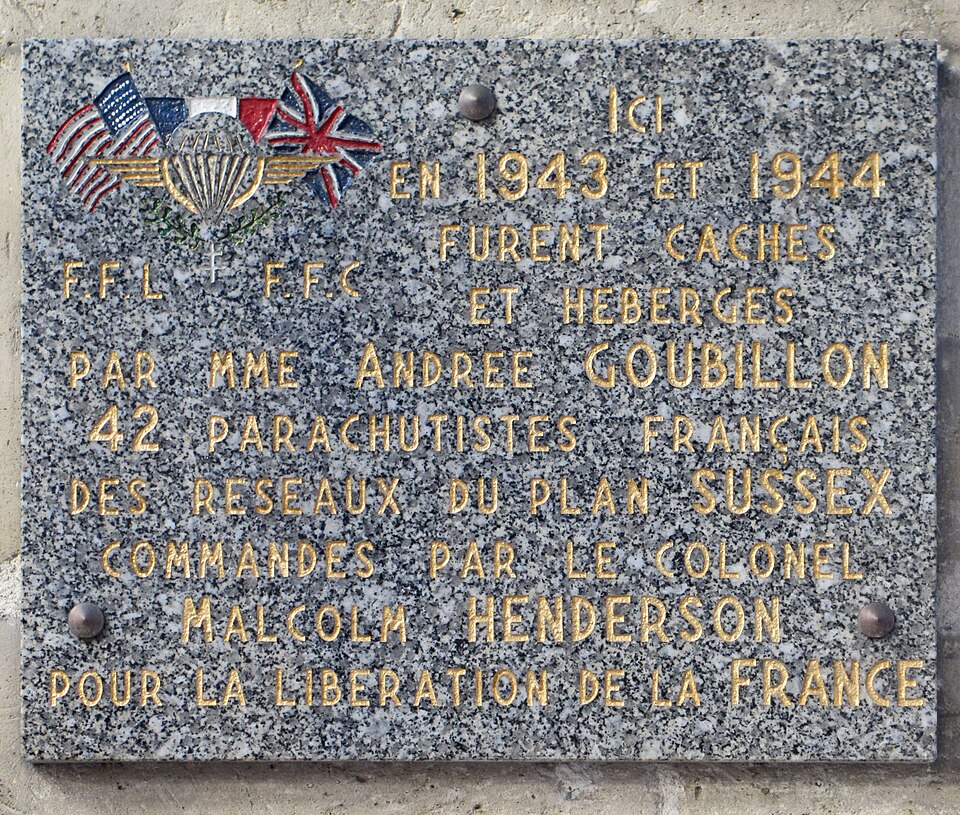
The French Pathfinder agent prepared refuges, contacts and drop sites for the Allied Sussex intelligence teams in 1944.
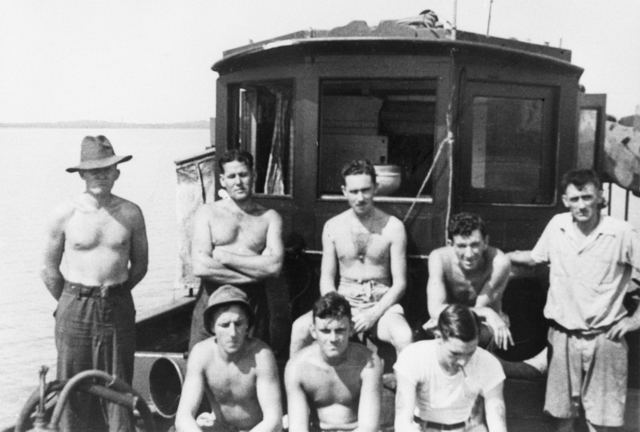
A captured fishing boat carried Allied raiders through Japanese-held waters in 1943. Its disguise survived an encounter with a destroyer at barely 100 yards.