From the archive · A retrospective
Josephine Baker Took State Secrets on Tour in Her Sheet Music
The star’s fame opened borders and embassy doors. French intelligence used the access—and the musical scores in her luggage.
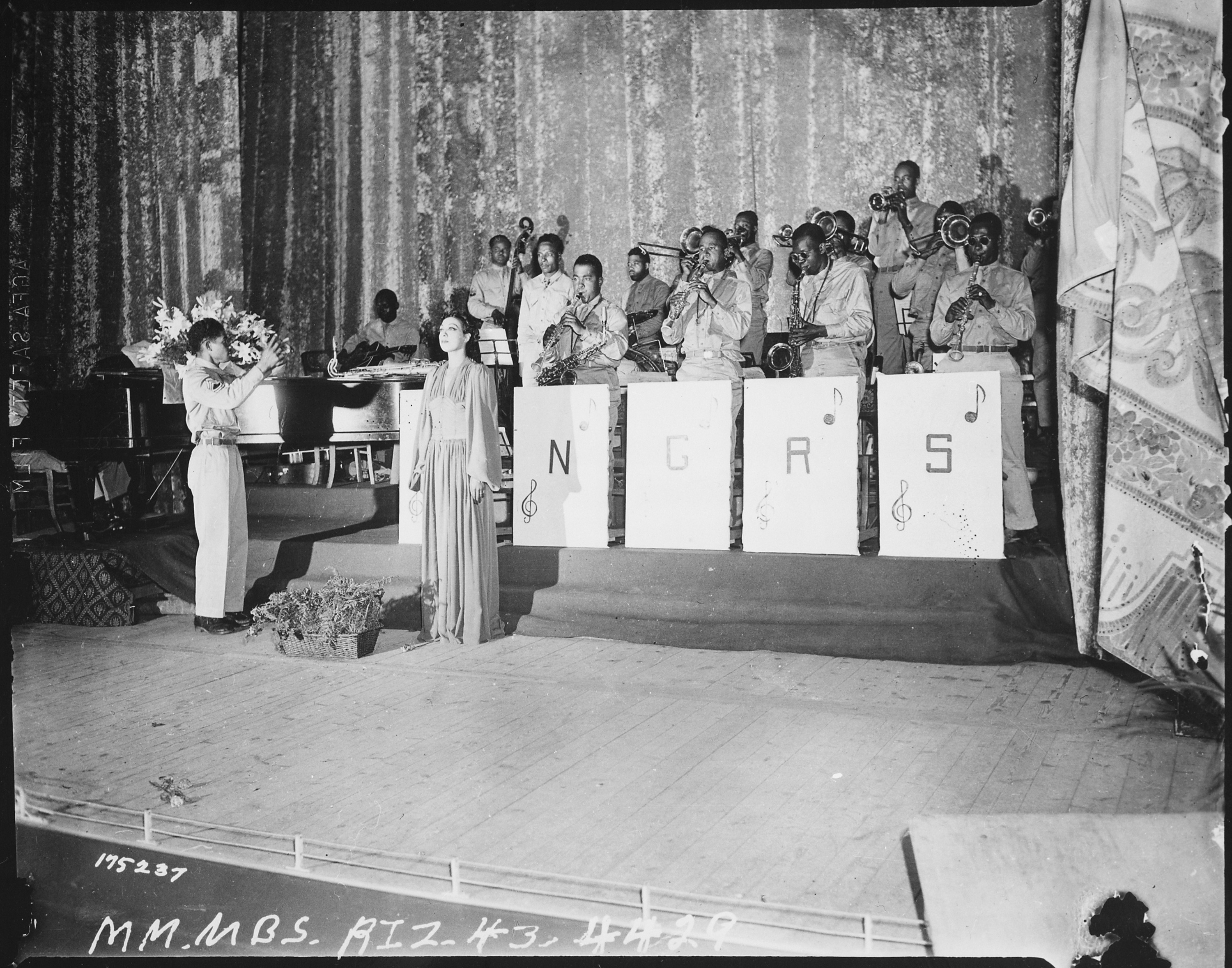
Josephine Baker’s touring luggage could carry a second performance. Among the scores were secrets written in invisible ink. The National WWII Museum’s account describes Baker and French intelligence officer Jacques Abtey leaving France with more than fifty classified documents between them. Her portion travelled on the pages she had an obvious professional reason to carry.
Celebrity made the arrangement plausible. Baker was already an internationally famous entertainer when war began. Her work brought her into rooms with officials and gave her reasons to travel across borders. The museum describes her attendance at diplomatic functions, including parties at the Italian embassy, where she could gather information on troop movements, harbours and airfields. The audience around her could become the source.
France’s Ordre de la Libération dates her counterespionage service to 1939. She collected intelligence at Paris society gatherings and performed to sustain troop morale. After German forces entered the city in 1940, she refused to perform for them and withdrew to her château in Dordogne. The property became part of her clandestine life as well: the museum records that she sheltered resistance fighters there.
Abtey could travel inside the world surrounding a star. The official French biography describes Baker taking him and other Allied intelligence personnel on a tour through Spain and Portugal. Its account gives the touring company a second identity: a party of operatives using an entertainer’s professional itinerary. The CIA’s historical profile likewise describes intelligence carried in invisible ink on her sheet music and continued work after she moved to Lisbon and North Africa.
The work came with serious physical interruption. The Ordre’s account records nineteen months in hospital in North Africa following major health problems. From January 1943 she resumed performances, concerts and fundraising for French forces while continuing intelligence activity for de Gaulle’s staff. On 23 May 1944 she formally joined the French women’s air formations as a second lieutenant.
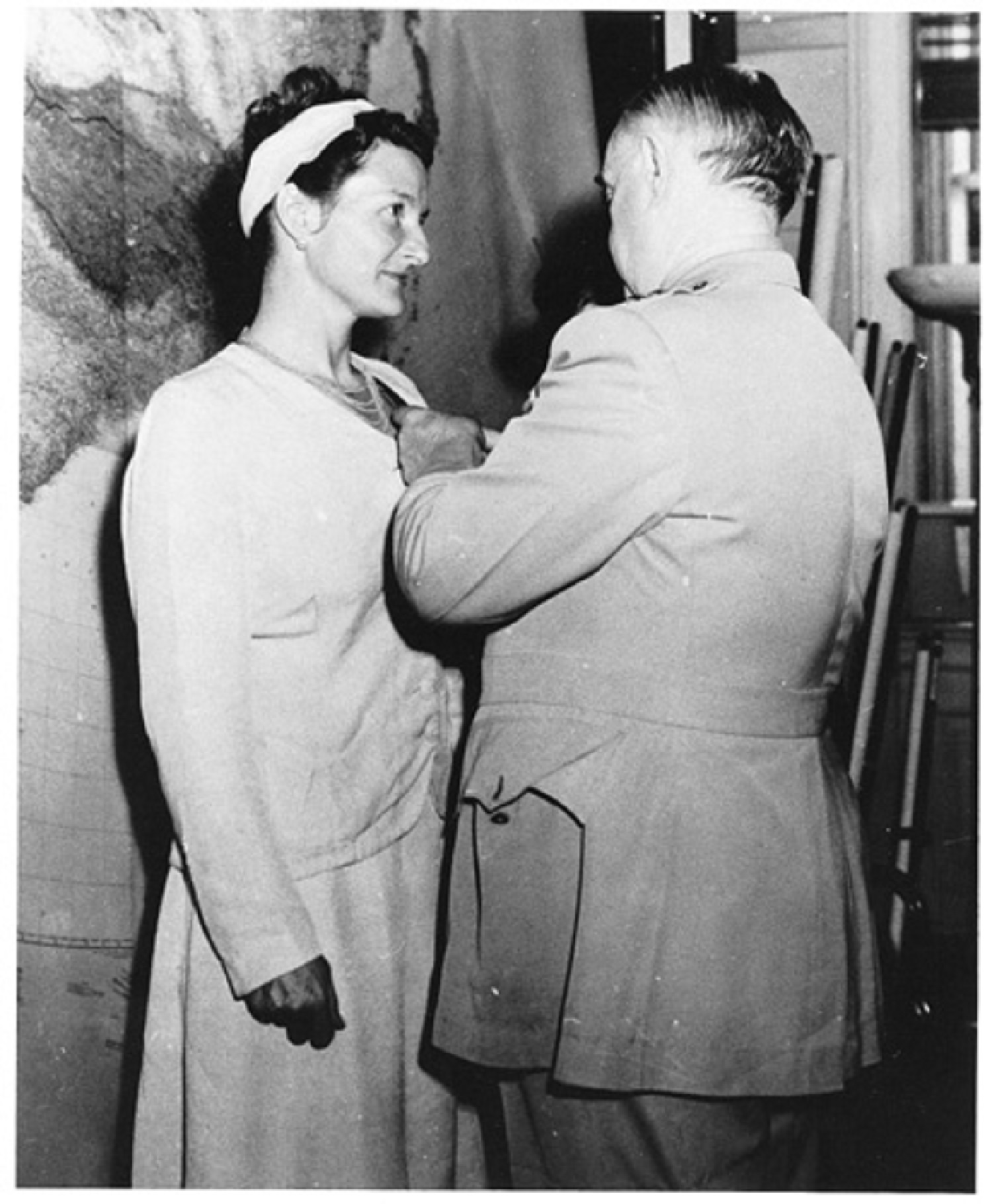
The official recognition came in stages. She received the French Resistance Medal with rosette by decree on 5 October 1946; her appointment to the Legion of Honour followed in December 1957. The uniform and decorations later appeared in another public setting: the 1963 March on Washington, where she spoke in support of civil rights. The touring star had spent the war turning the ordinary materials of her profession into a means of moving intelligence.
The invisible-ink account follows published historical sources. Official French dates are used for her enlistment and decorations; later summaries sometimes compress the award chronology.
Sources & further reading
- Siren of the Resistance: The Artistry and Espionage of Josephine BakerNational WWII Museum
- Joséphine Freda BakerOrdre de la Libération
- Josephine Baker: From Poverty to Stardom to EspionageCIA
SPY REGISTER MEMBERSHIP
Stay on the case.
Follow this story through the case files, read The Brief and keep your own saved reports.
$6.67 a month equivalent · $80 billed annually. Or $8 monthly.
Get the member edition →Renews automatically. Cancel renewal online.