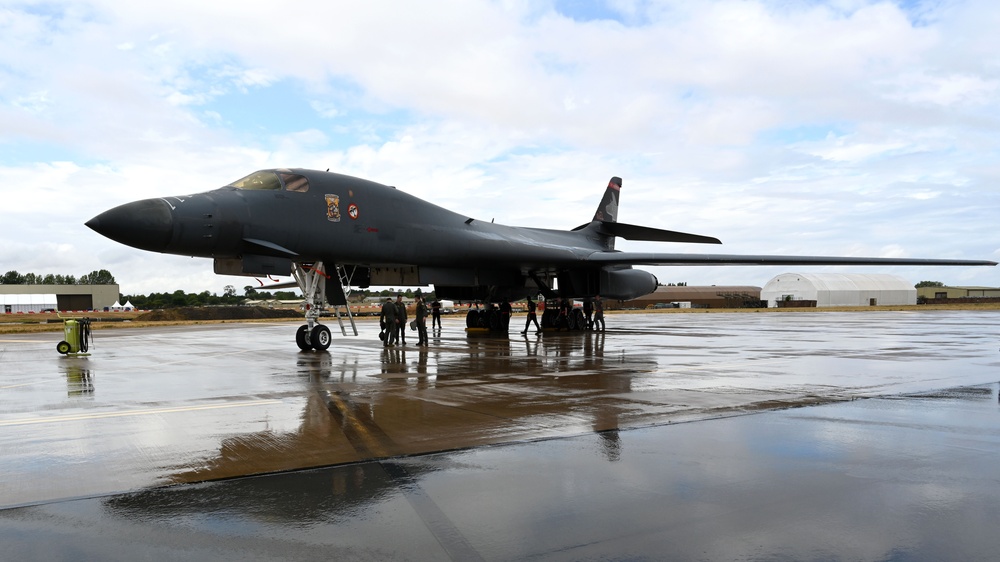
Police invoke the National Security Act in the inquiry into activity near the airbase. Earlier searches recovered petrol and found no improvised explosive device. Iran denies involvement.
A federal judge denied home confinement for Abdulrahman Alfozan. Prosecutors allege he was days from leaving for Saudi Arabia; his lawyer says the family trip was planned for paternity leave.
Beijing rejects the measures linked to former Google engineer Linwei Ding. His theft convictions remain, while a judge dismissed the separate economic-espionage counts.
A Bosnian arms broker received a 60-month sentence after pleading guilty over an attempted purchase of portable anti-aircraft missiles from North Korea.
Britain's domestic intelligence service says state threats now consume more resources than during the Cold War. Its annual assessment points to Russian proxy operations and more than 50 arrests linked to Iran-focused investigations, while Moscow and Tehran reject accusations of hostile activity.
Sue Mi Terry’s foreign-agent prosecution is deferred for a year, with restrictions on travel, South Korean contacts and gifts. Successful compliance would end the case.
The court-authorized action targeted Microscan and FishHub, which U.S. authorities link to China-based Integrity Technology Group. Britain and international partners issued a parallel warning.
The UK cyber agency’s April guidance recommends passkeys where available, while retaining password managers and two-step verification for services that do not support them.
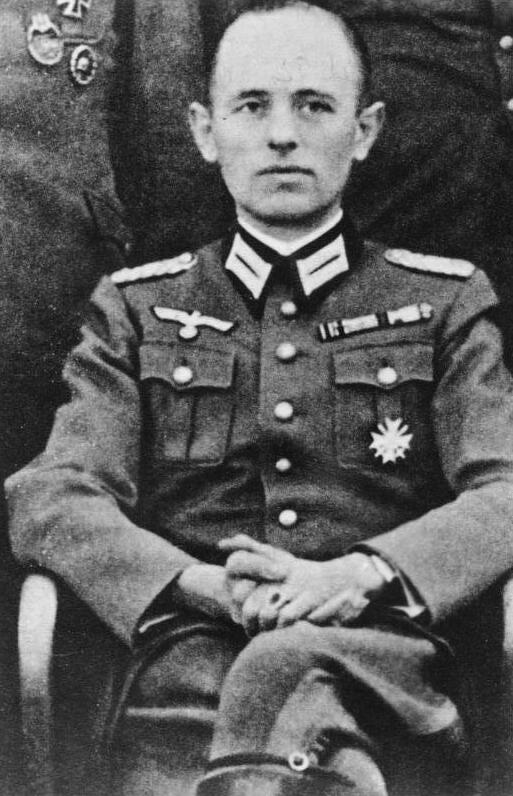
Mitrokhin’s papers gave researchers a remarkable intelligence collection. Its custodians draw a sharp distinction between open typescripts and classified originals.
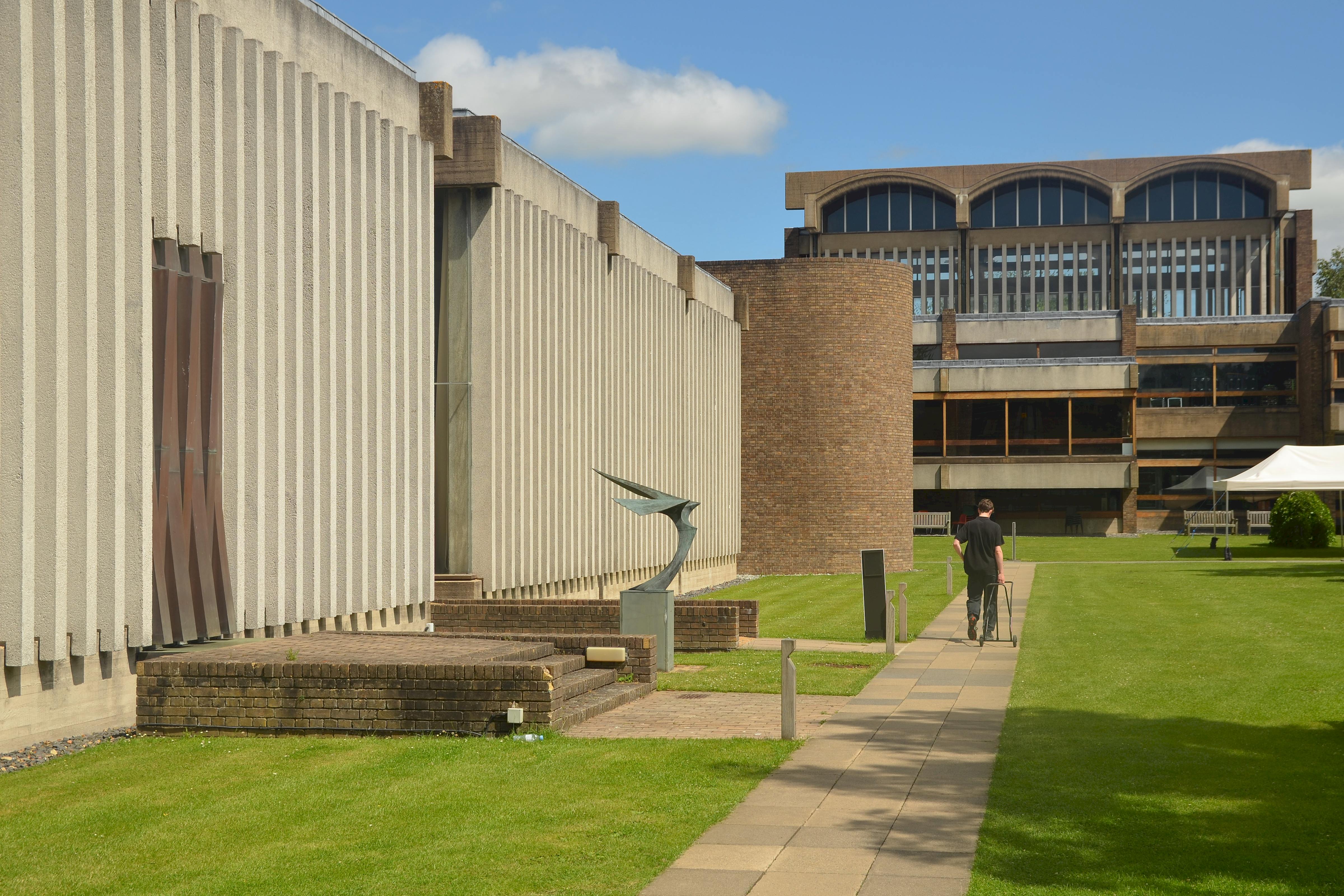
Ellis, Cocks and Williamson reached public-key ideas inside British intelligence. Independent researchers carried the field into public use before GCHQ disclosed its work.
The 1960 operation in Argentina led to a diplomatic clash and a Jerusalem trial that put deportation records and survivor testimony before a global audience.
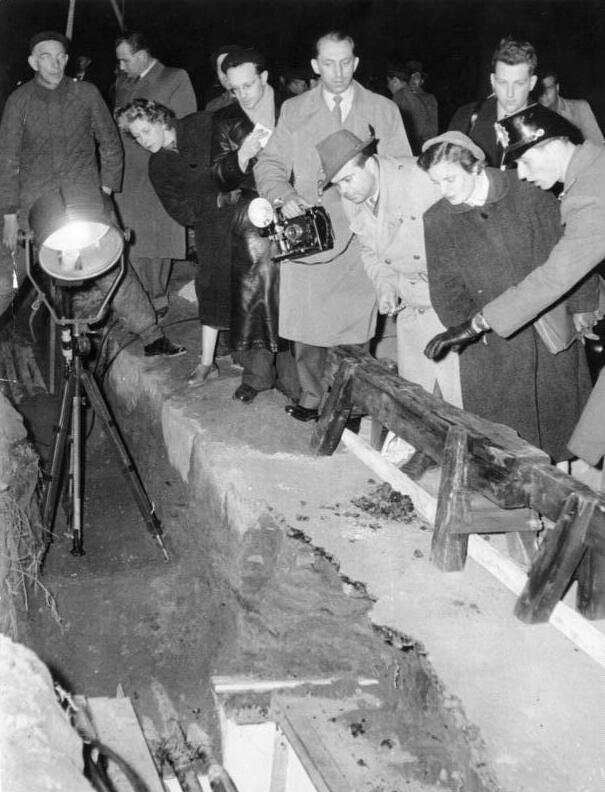
George Blake betrayed the joint CIA–MI6 operation during planning. The KGB protected him while Western analysts collected almost a year of Soviet traffic.
VENONA grew from a small Army project into a decades-long intelligence partnership. Its surviving messages also show the limits of reading an enemy’s traffic.