
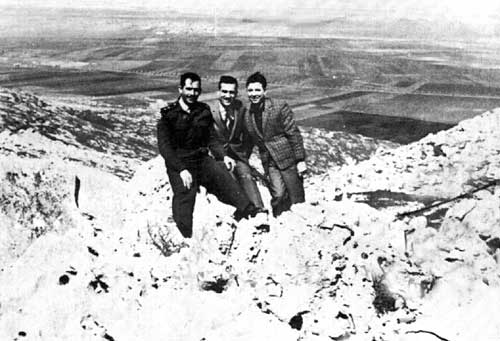
Mossad / Spy life · History
Syria Kept Eli Cohen’s Last Will for 60 Years
The 2025 recovery brought back the operative’s false papers, apartment keys and original death sentence.
SPY REGISTER / THE ARCHIVE
Operations, double lives, stolen secrets and the people behind them.
The 2025 recovery brought back the operative’s false papers, apartment keys and original death sentence.
A Chicago student’s people-search purchases led to an agent conviction, an Army false-statement finding and a presidential commutation.
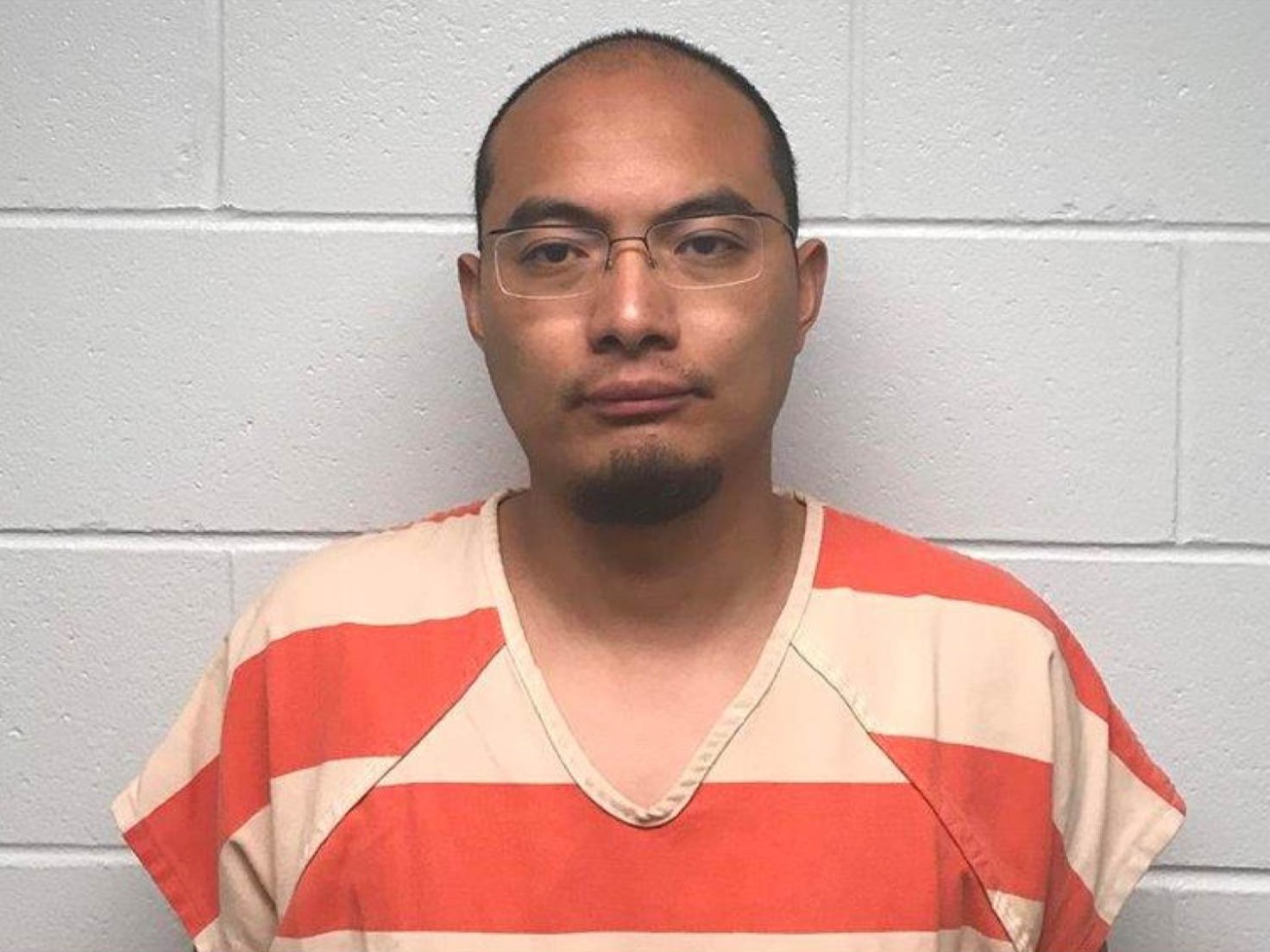
Xu Yanjun’s aviation espionage case ended with a twenty-year sentence. A conditional commutation and prisoner swap changed what happened next.

Mossad’s pager operation turned a communications purchase into a mass attack. Hezbollah was still handing out devices hours before they exploded, Reuters reported.
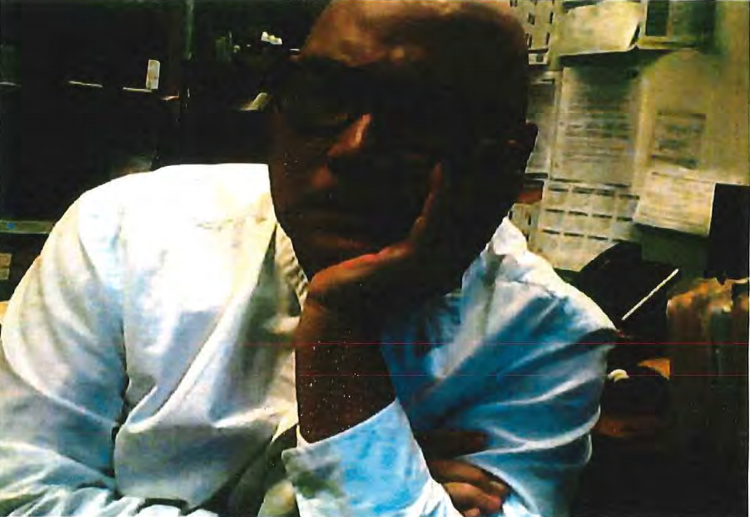
Alexander Ma’s case ran from a $50,000 meeting in Hong Kong to an FBI payroll, a fake Chinese handler and a lifetime obligation to talk.
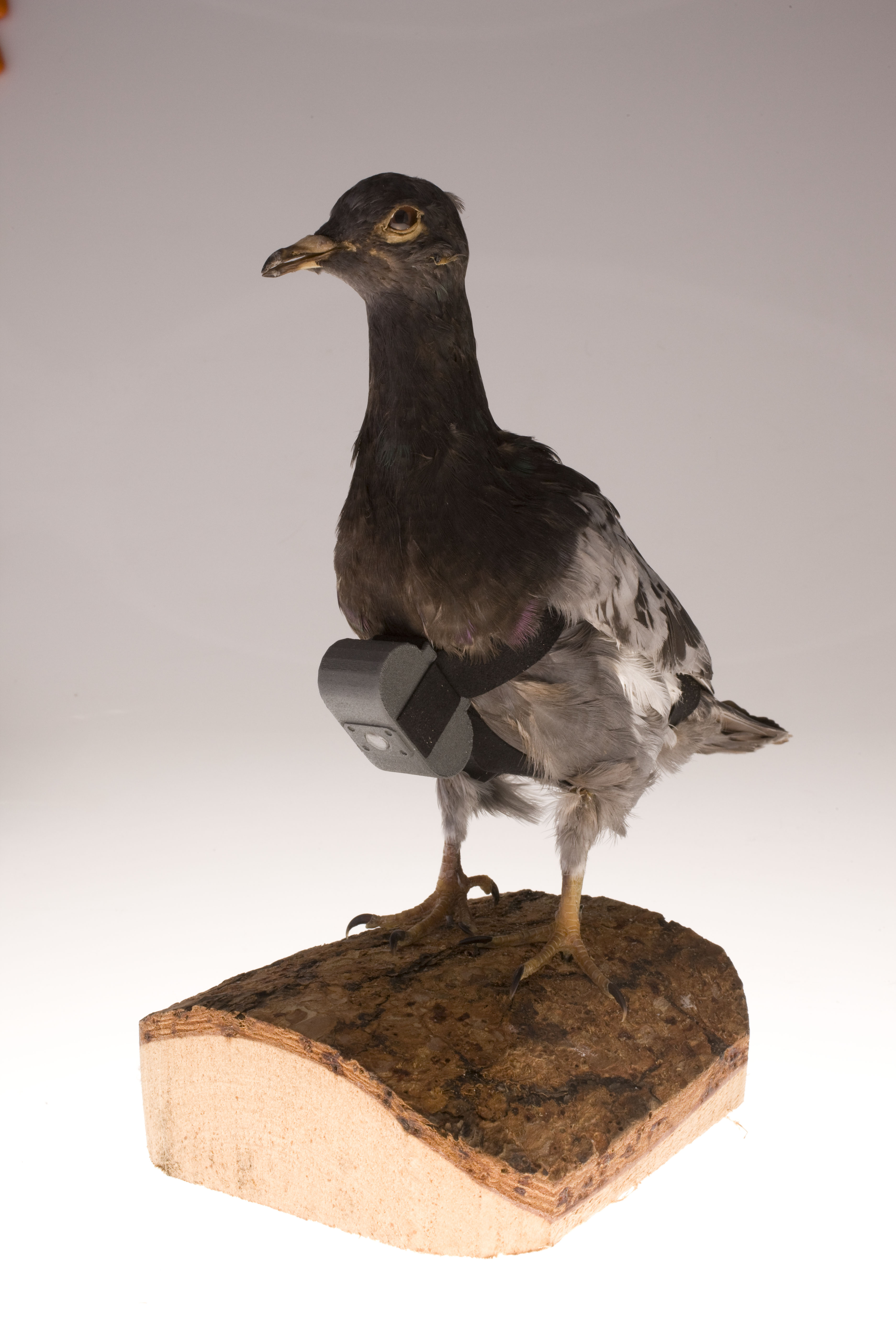
The agency’s own account describes Cold War reconnaissance birds fitted with tiny cameras. Being ordinary was their cover.
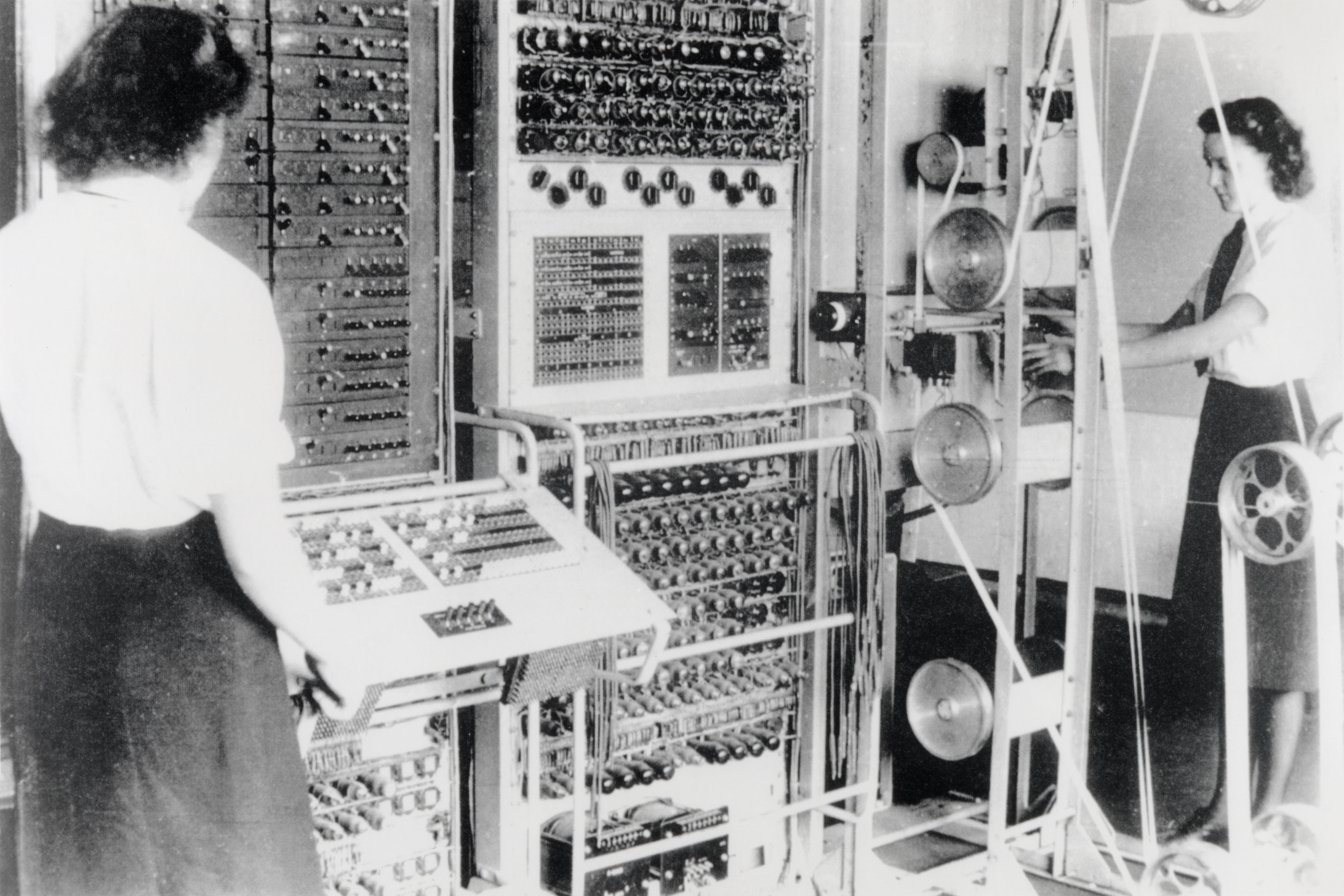
The electronic breakthrough at Bletchley Park outlived the war inside GCHQ—and remained hidden from the people writing computing history.
Senior Indian and Pakistani intelligence officers used a UAE backchannel in January 2021, Reuters reported. Weeks later the militaries restored a border truce; neither government acknowledged the spy meeting.
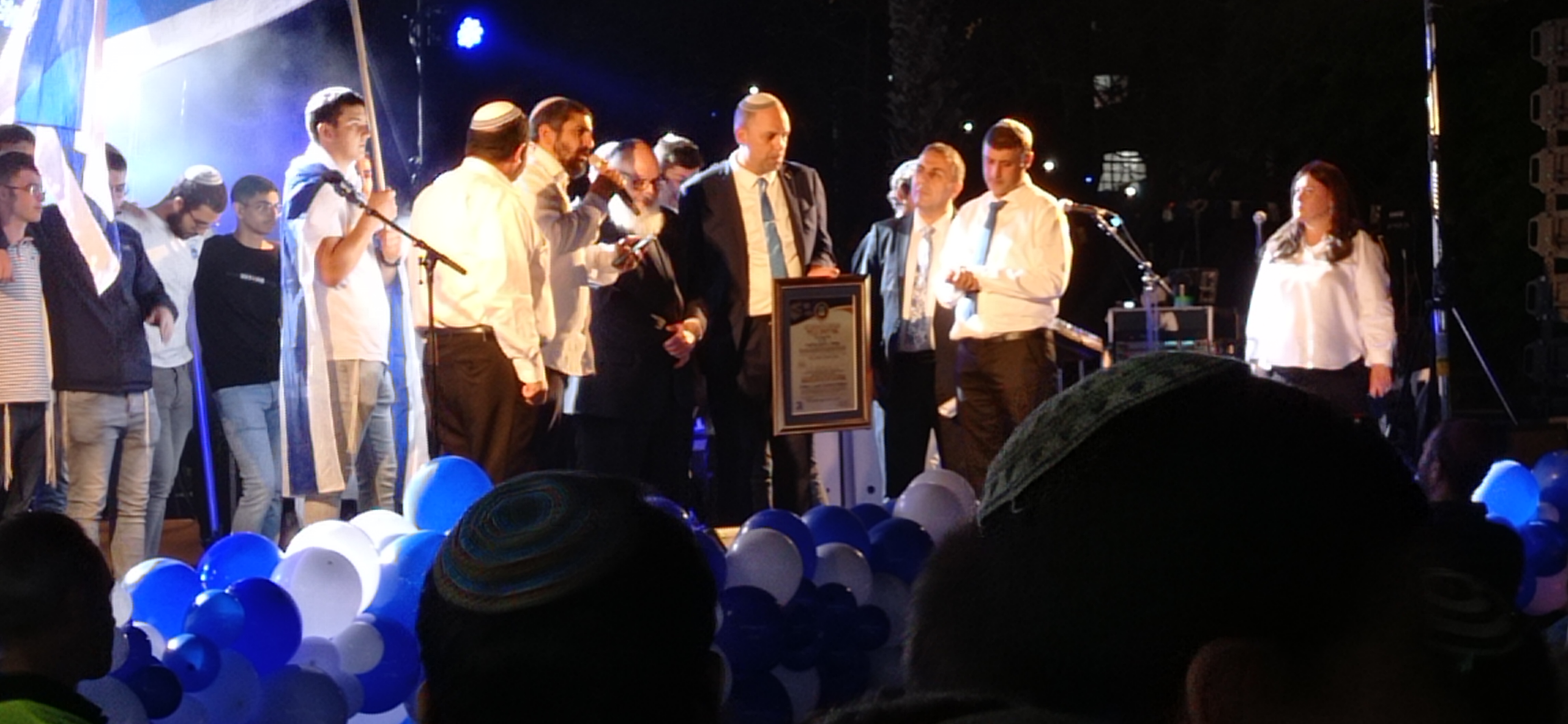
Jonathan Pollard’s airport reception supplied the public ending to an espionage case whose intelligence damage remains partly classified.
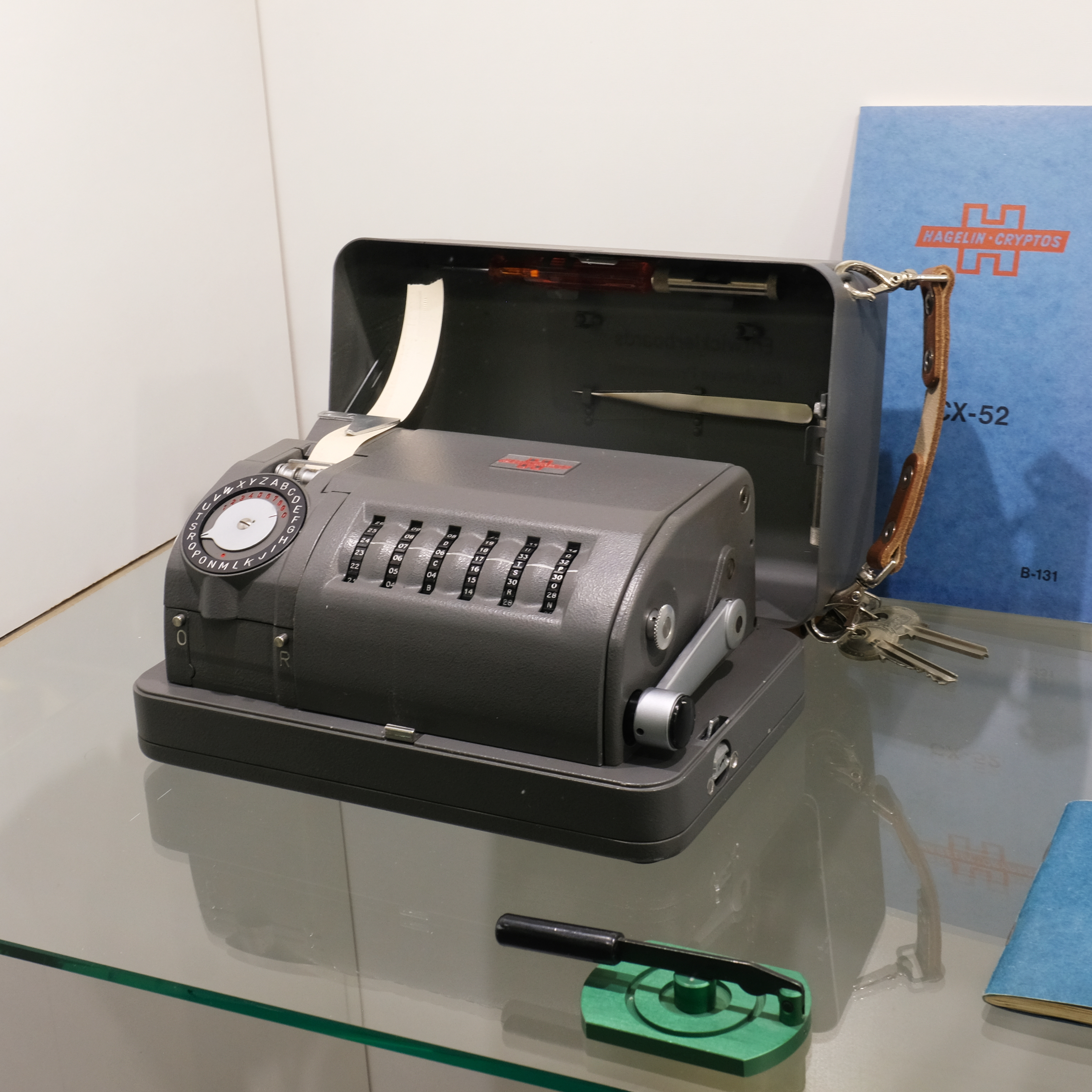
A Swiss parliamentary investigation traced intelligence knowledge to 1993 and political leaders’ notification to late 2019.
A Singaporean agent used job advertisements and paid reports to cultivate sources, then faced prison and security detention.
Heinz Felfe’s exposure produced a second intelligence struggle over memoirs, reputations and the public record.
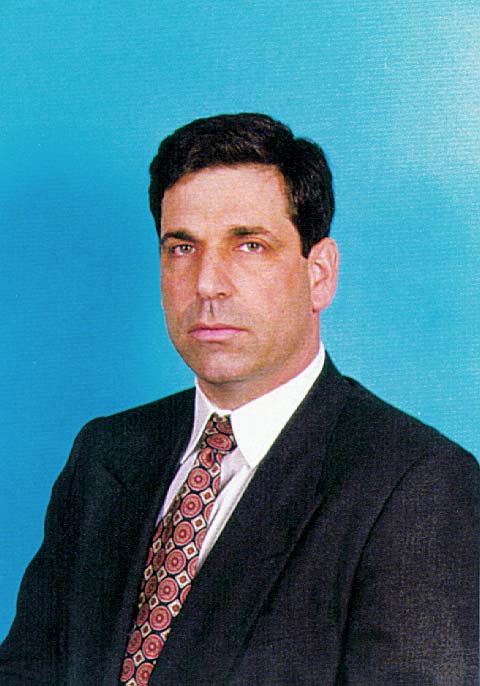
Gonen Segev had sat in Israel’s cabinet. Years later, Shin Bet said he was introducing Iranian handlers to Israelis as ordinary businessmen. He admitted espionage and received an 11-year sentence.
The Arous diving resort hid a clandestine route out of Sudan. Ethiopian activists and Israeli operatives kept it working while real guests checked in.
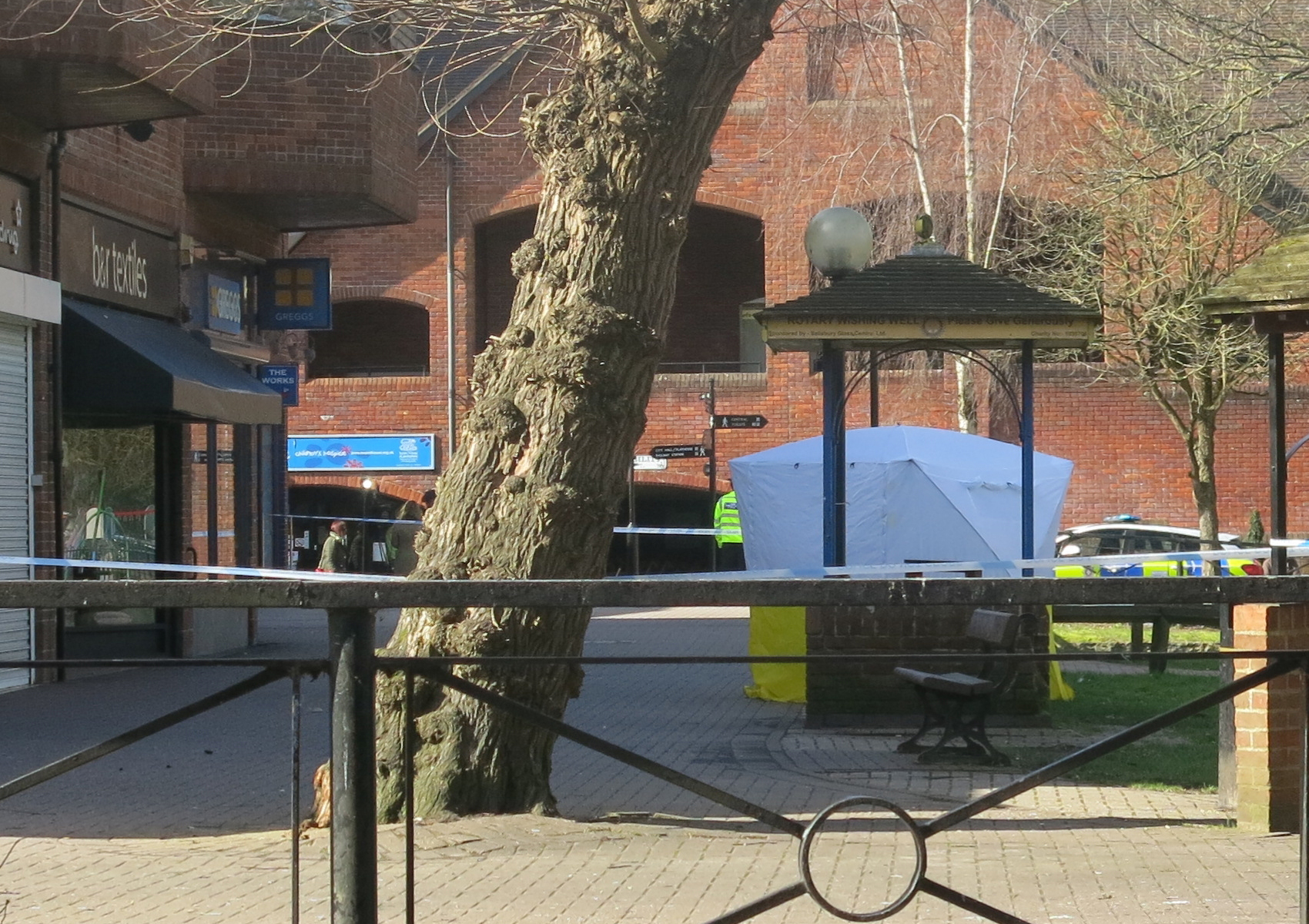
A statutory inquiry traced the poison from a state-authorised assassination attempt to a counterfeit perfume bottle found months later. Russia denies any role, and three charged suspects remain wanted.
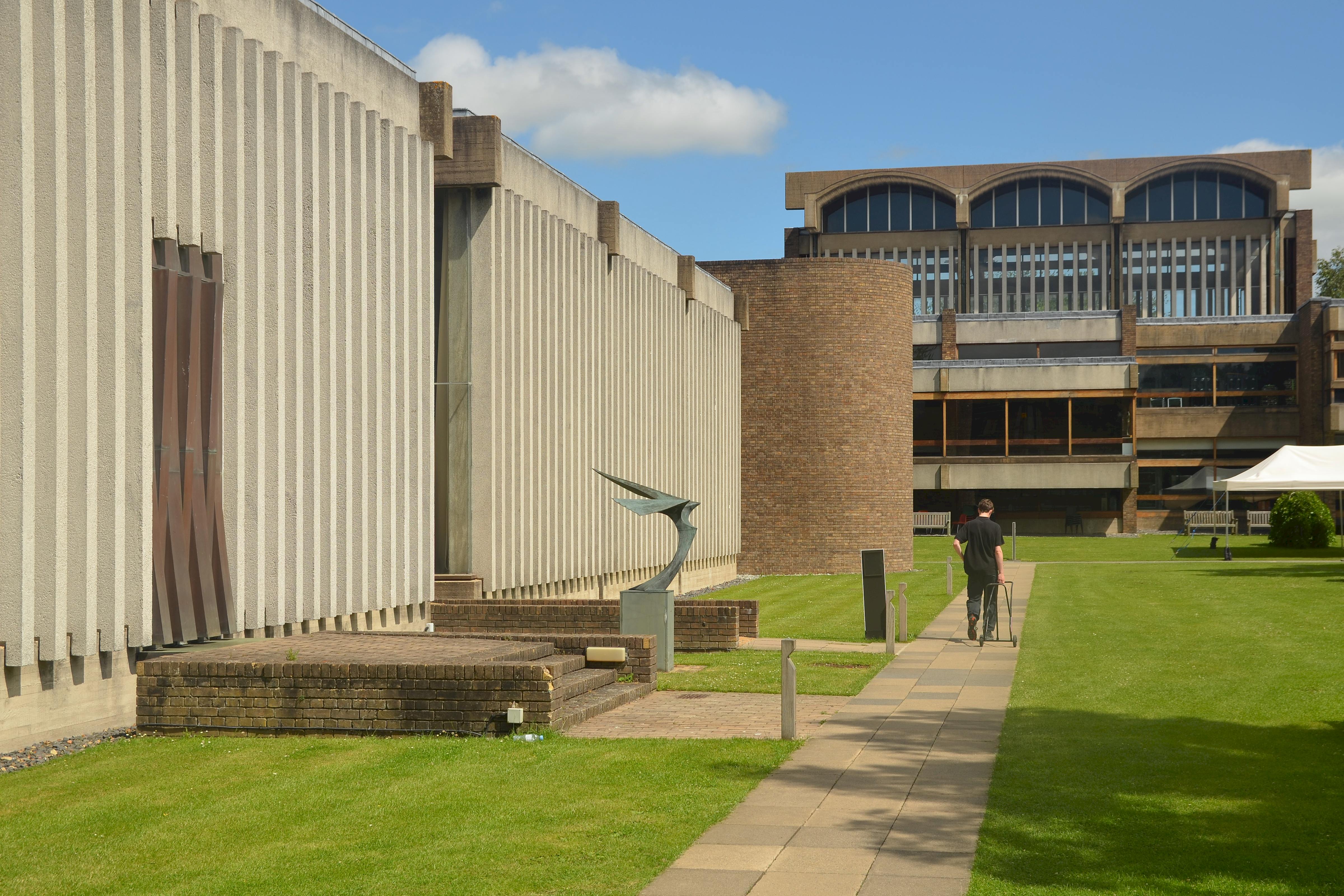
Mitrokhin’s papers gave researchers a remarkable intelligence collection. Its custodians draw a sharp distinction between open typescripts and classified originals.

A First World War ink formula stayed classified until 2011. It was among six documents the government finally opened after nearly a century.
A former CIA officer admitted directing overseas meetings with Russian agents while serving a sentence for espionage. The second scheme added eight years.
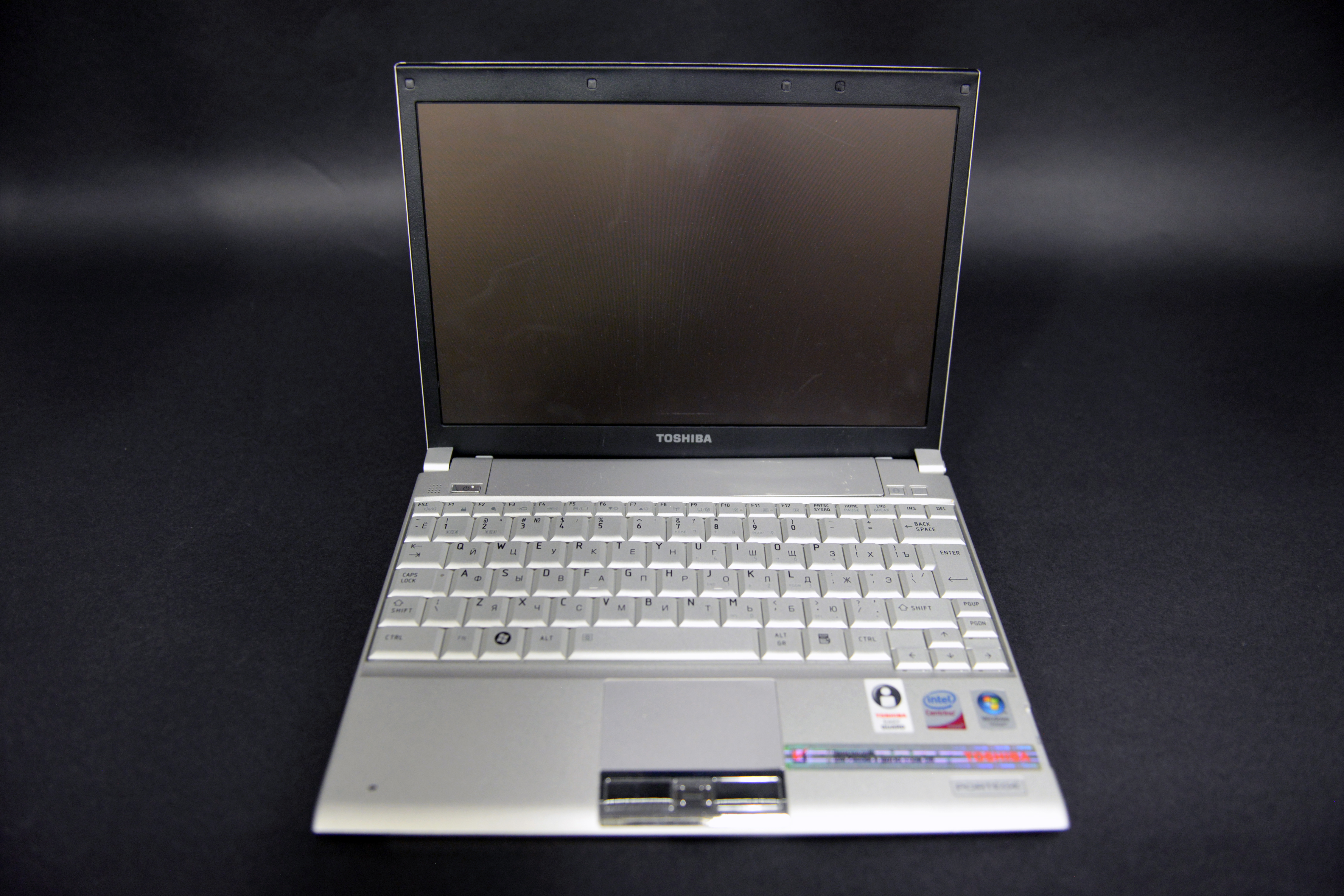
Operation Ghost Stories watched deep-cover agents marry, buy homes, raise children and cultivate future sources. Eleven days after ten arrests, guilty pleas became a spy swap.
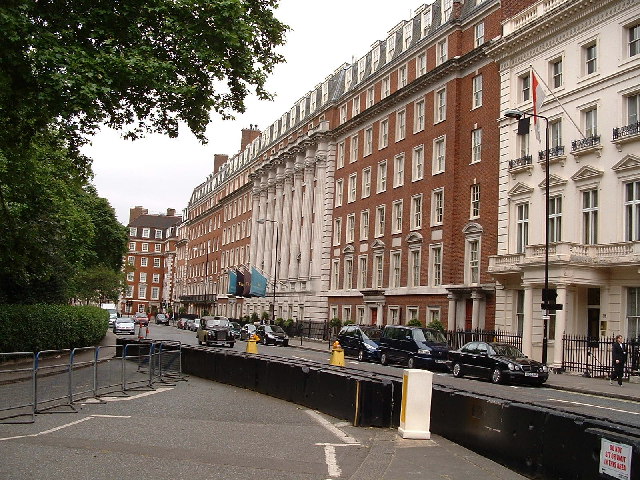
A radioactive trail led investigators from a Mayfair hotel to two Russian visitors, an earlier failed attempt and an operation the UK inquiry said was probably approved at the top.
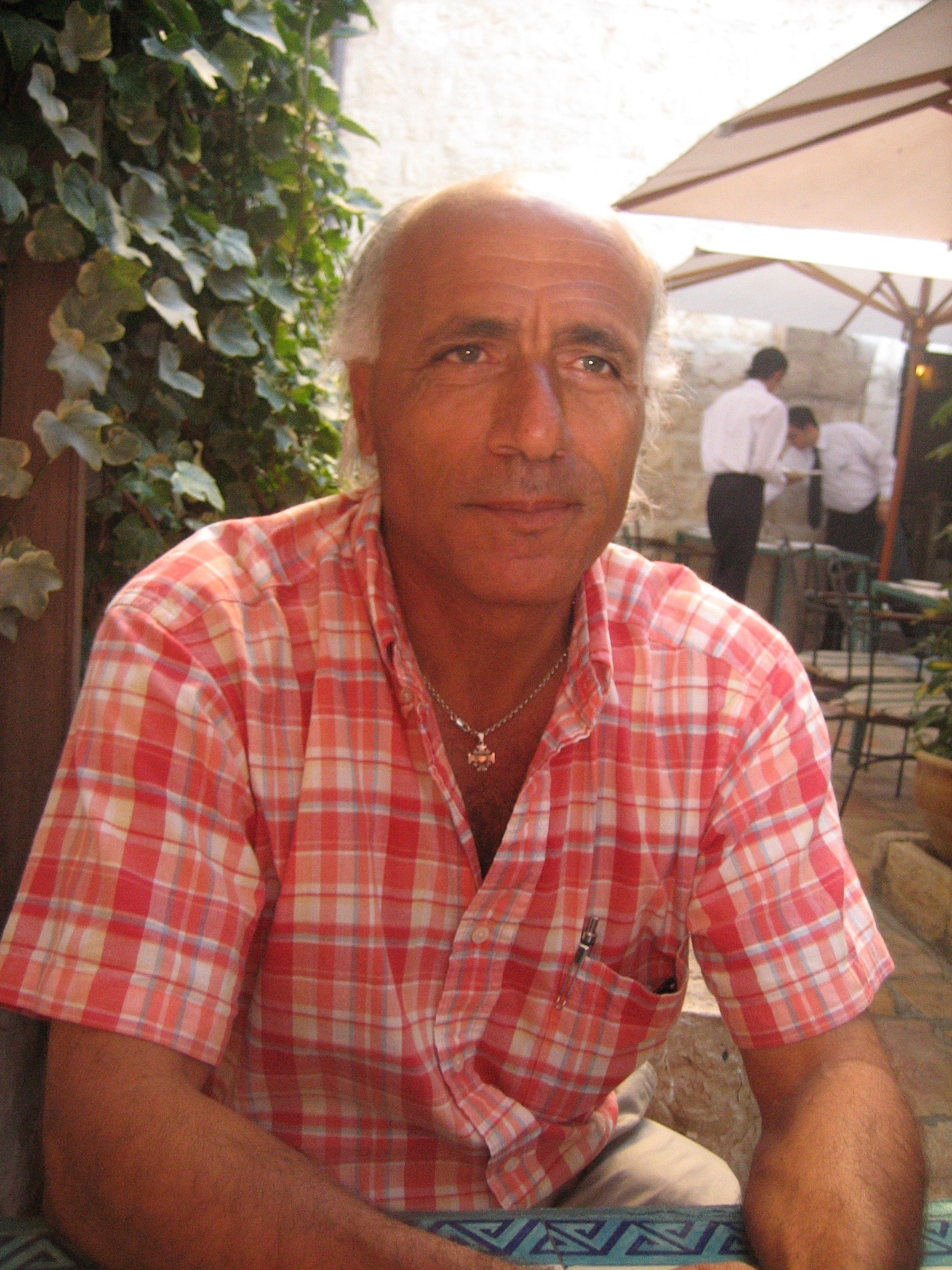
Mordechai Vanunu exposed Dimona, disappeared into Israeli custody and found a way to tell reporters where he said the operation had taken him.
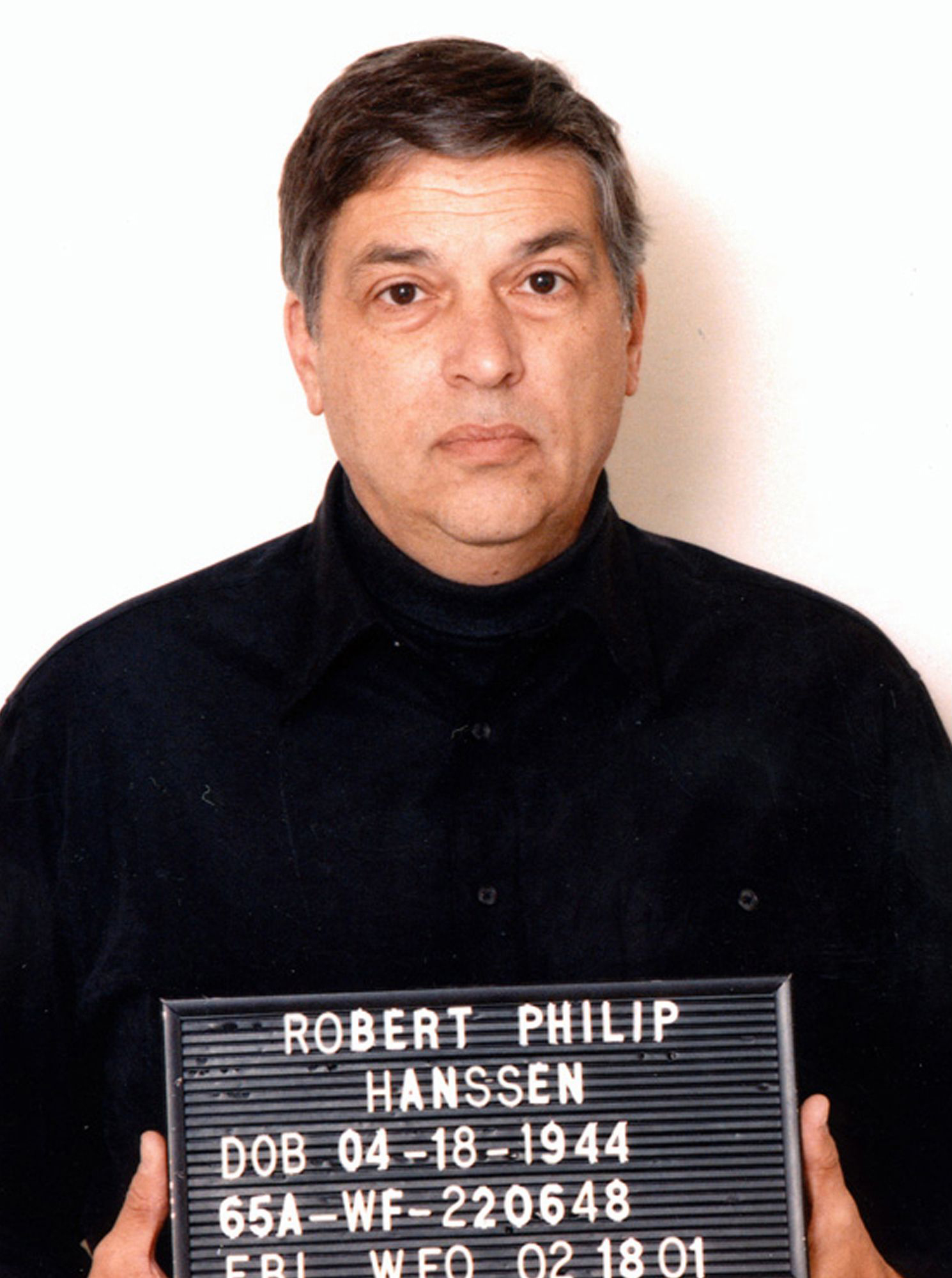
Robert Hanssen’s case exposed failures in file controls, background checks and computer auditing that the bureau’s own watchdog documented in detail.
The DIA’s Cuba specialist was already recruited by Havana when she joined the agency. Her arrest came as investigators worried about access to war plans.
The former Air Force intelligence officer amassed a buried collection of classified material before the FBI stopped him from boarding a flight to Switzerland.