From the archive · A retrospective
The SVR built American lives for years. The FBI broke the sleeper ring in one day.
Operation Ghost Stories watched deep-cover agents marry, buy homes, raise children and cultivate future sources. Eleven days after ten arrests, guilty pleas became a spy swap.
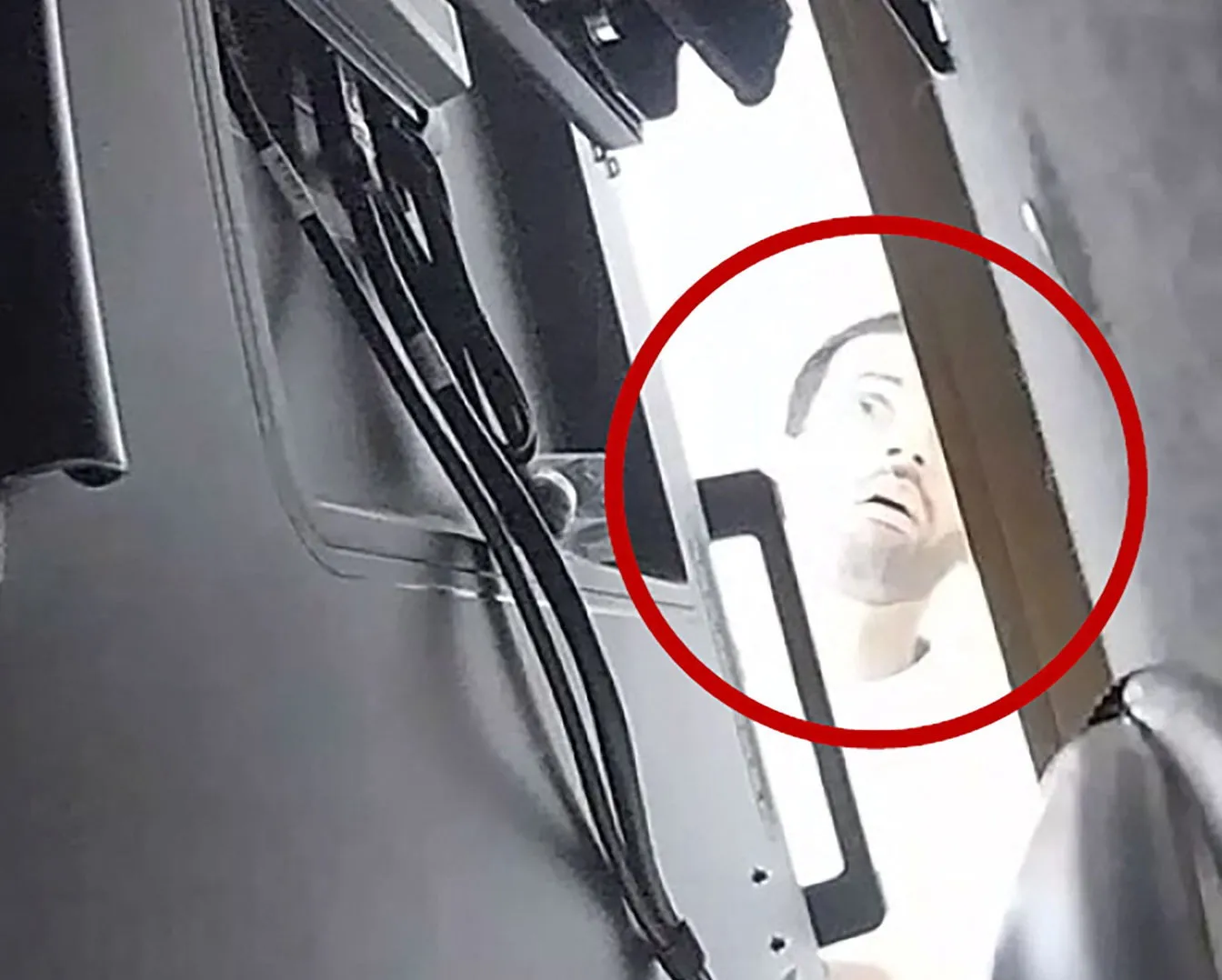
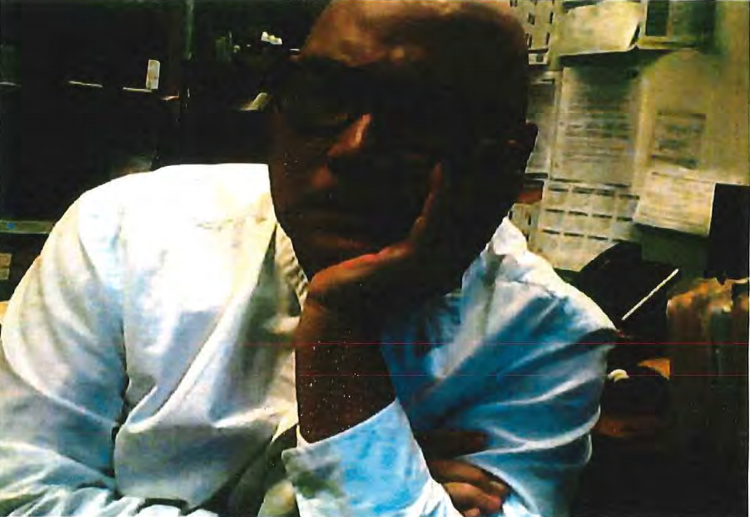
On 27 June 2010, the FBI arrested ten people in a Russian sleeper network it had watched for more than a decade. The bureau called the case Operation Ghost Stories. Its targets were SVR “illegals” living inside the United States under deep cover.
Their camouflage was ordinary life. According to the FBI, members of the network married, bought homes, raised children and held jobs; some lived under stolen identities. Behind those covers, the bureau said, they collected information for Russia and studied colleagues and friends who might eventually provide access to American policymaking circles.
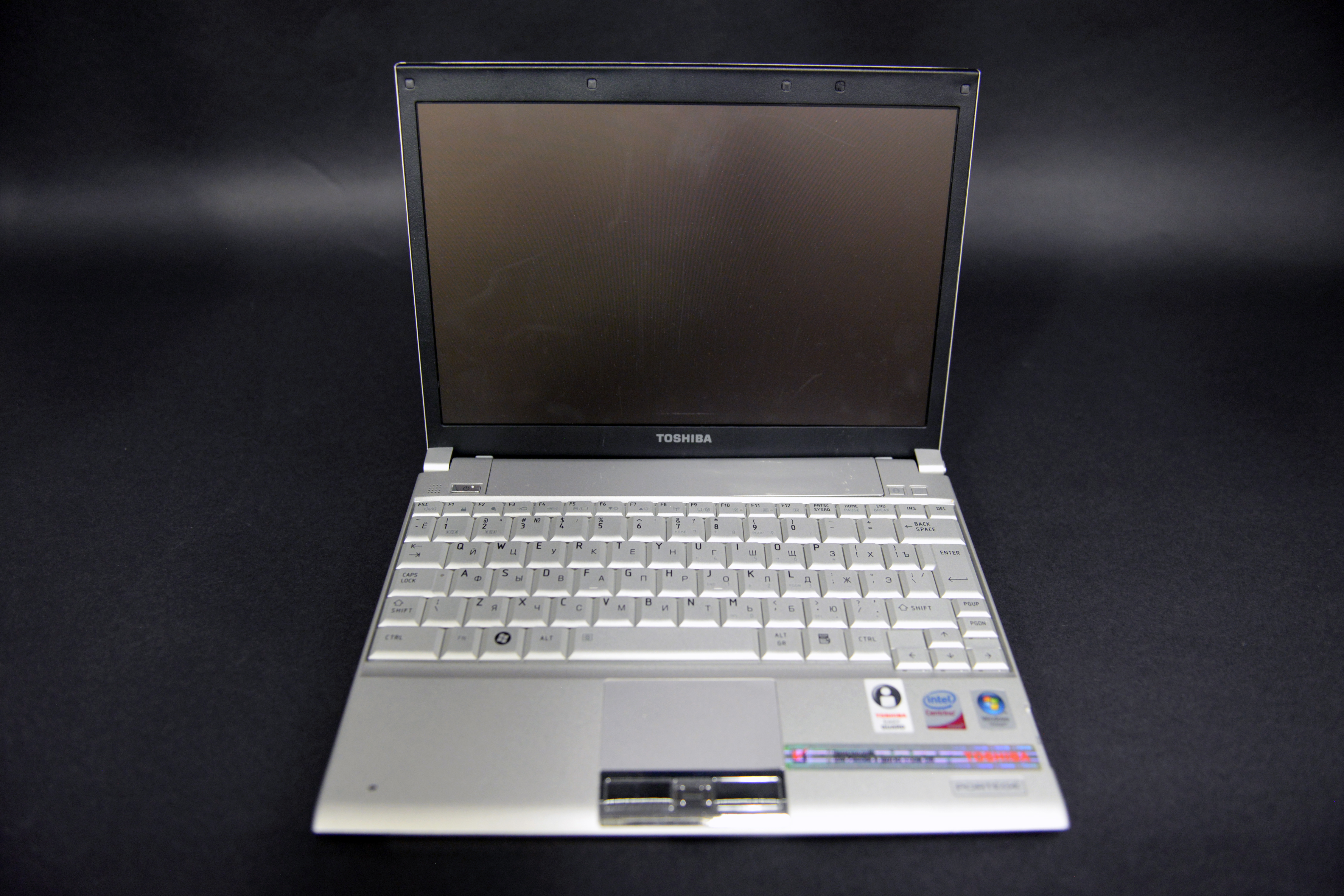
Anna Chapman’s seized laptop captured the gap between the domestic surface and the intelligence machinery underneath. The FBI says she used it to form private wireless networks with a Russian government official. Agents watched her establish those ad hoc links about ten times between her 2009 arrival in New York and her arrest, while acquaintances knew her as a realtor.
The network’s record was more patient than spectacular. The FBI said the operatives transmitted information and assessed possible future sources, but obtained no classified documents. Their value lay in time: the service had funded identities and relationships that could wait years for a useful contact to gain influence. The operation was an investment in eventual access, not a single document theft.
The legal ending was narrower than the mythology. On 8 July, all ten pleaded guilty to conspiring to act as agents of a foreign government without notifying the attorney general. They disclosed identities and forfeited assets under their agreements. They were not convicted of espionage, and Reuters reported that separate money-laundering charges were dropped.
By then, the case had become diplomacy. Reuters reported that the ten received time-served sentences—eleven days after their arrests—and Washington and Moscow arranged their exchange for four people imprisoned in Russia over suspected Western intelligence contacts. A network designed to mature over decades moved from American cover to a Manhattan courtroom and then Russian custody in less than two weeks.
The ten defendants pleaded guilty to unlawful-agent conspiracy, not espionage. The FBI says the network obtained no classified documents. Descriptions of its tradecraft, targets and intended time horizon rely substantially on the bureau’s case record.
Sources & further reading
- Ten Russian Agents Plead Guilty and Are to Be Removed from the United StatesU.S. Department of Justice · National Security
- Operation Ghost Stories: Inside the Russian Spy CaseFederal Bureau of Investigation
- Laptop from Operation Ghost StoriesFederal Bureau of Investigation
- U.S. and Russia to swap spies after 10 plead guiltyReuters
SPY REGISTER MEMBERSHIP
Stay on the case.
Follow this story through the case files, read The Brief and keep your own saved reports.
$6.67 a month equivalent · $80 billed annually. Or $8 monthly.
Get the member edition →Renews automatically. Cancel renewal online.