From the archive · A retrospective
UK inquiry says GRU’s discarded Novichok bottle killed Dawn Sturgess
A statutory inquiry traced the poison from a state-authorised assassination attempt to a counterfeit perfume bottle found months later. Russia denies any role, and three charged suspects remain wanted.
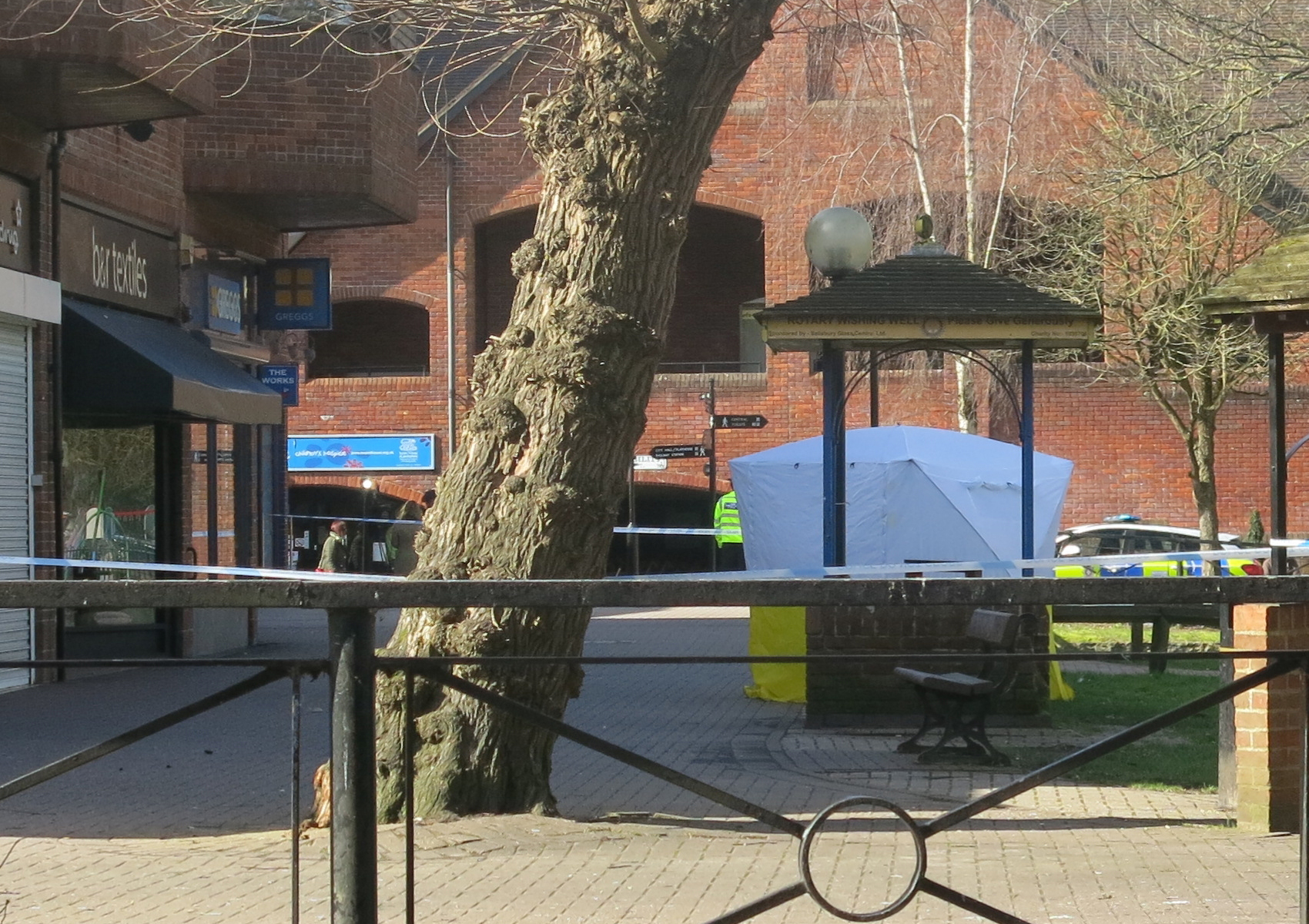
On 4 March 2018, Sergei and Yulia Skripal collapsed on a bench in Salisbury. Investigators traced their poisoning to Novichok applied to the former Russian spy’s front-door handle. The statutory inquiry into the later death of Dawn Sturgess concluded in December 2025 that a GRU team carried out the operation on Russian state instructions and that it had to have been authorised by President Vladimir Putin.
The operation did not end at Skripal’s house. The inquiry found that the team brought the nerve agent into Britain in a counterfeit Nina Ricci perfume bottle, then discarded the bottle with poison still inside. Sturgess encountered it months later and died from Novichok poisoning on 8 July 2018. Lord Hughes found the operatives morally responsible for creating a foreseeable danger to the public.
That sequence turned a targeted assassination attempt into an indiscriminate hazard. A container used to disguise a military-grade nerve agent remained in civilian circulation after the team had left Britain. The inquiry’s central finding was therefore not only about who ordered the attack, but about the lethal risk its execution imposed on people with no connection to espionage.
The official case was built on an unusually large forensic trail. A 2018 government statement said roughly 250 counter-terrorism detectives examined more than 11,000 hours of CCTV and took 1,400 statements. Police traced two men travelling under the names Alexander Petrov and Ruslan Boshirov from Moscow to London, through a hotel and two Salisbury trips, and back to Moscow on the evening of the poisoning.
Petrov and Boshirov were charged in 2018. A third suspect using the name Sergey Fedotov was charged in 2021. All three remain wanted and the criminal investigation is open; the charges have not been tested in a British criminal trial. Reuters reported that Petrov and Boshirov later appeared on Russian television and said they had visited Salisbury as tourists.
Russia denies any involvement and has described the accusations as baseless and senseless. The inquiry’s findings are not criminal convictions, but they place the abandoned perfume bottle at the centre of a documented chain from a GRU operation to a civilian death. The 2018 attack also triggered the largest reciprocal expulsions of diplomats since the Cold War, according to Reuters.
The three suspects have been charged but not tried in Britain and remain wanted. The statutory inquiry’s findings are not criminal convictions. Russia denies involvement and rejects the allegations.
Sources & further reading
SPY REGISTER MEMBERSHIP
Stay on the case.
Follow this story through the case files, read The Brief and keep your own saved reports.
$6.67 a month equivalent · $80 billed annually. Or $8 monthly.
Get the member edition →Renews automatically. Cancel renewal online.