From the archive · A retrospective
Janet Chisholm kept Penkovsky’s Moscow film pipeline moving
The Soviet colonel’s intelligence depended on an inside contact who collected his photographs, replenished supplies and heard his fears.
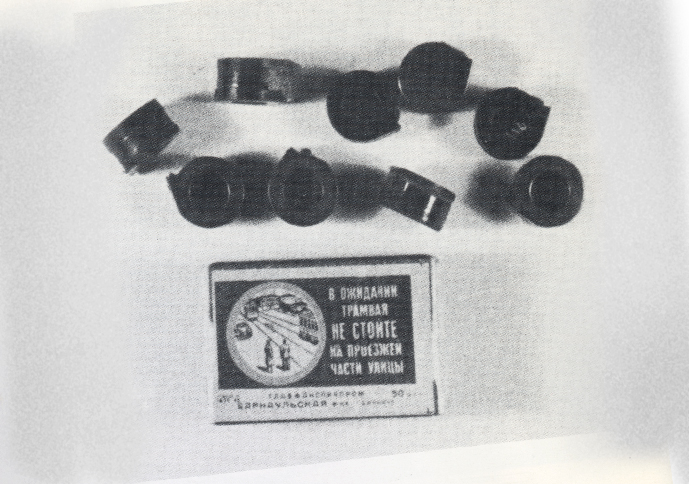
On July 2, 1961, Janet Chisholm began serving as a Moscow contact for Oleg Penkovsky, a Soviet military intelligence colonel secretly working with the British and Americans. She collected exposed film and delivered fresh supplies, helping sustain a source whose information would reach the highest levels in Washington.
Penkovsky had struggled to establish the relationship. A CIA history describes him volunteering in Moscow in 1960 and trying several intermediaries over the following months: American students, a Canadian businessman and British businessman Greville Wynne. Wynne eventually opened a channel to American and British intelligence.
The hesitation surrounding such approaches had a practical cause. The same history describes Soviet counterintelligence using supposed volunteers to identify CIA personnel and learn their methods. A genuine source could possess valuable access while still presenting the danger of a carefully prepared provocation.
The operation divided work across borders. The CIA and British service ran Penkovsky together for a little over a year, and his substantive debriefings took place during Western visits with Soviet delegations. In Moscow, Chisholm maintained brief exchanges that moved his material and replenished the equipment he needed to continue collecting.
Randy Burkett’s CIA-published historical review describes the personal pressure behind those exchanges. Penkovsky spoke to Chisholm about his anxieties and, at a British Embassy event on May 31, 1962, told her that he needed to defect soon. The routine movement of film depended on a relationship with someone who could hear what the source feared.
A separate CIA account of handler Hugh Montgomery describes the physical fragility of such exchanges. At an embassy party, he tried to retrieve Penkovsky’s package from a toilet cistern. The wooden seat broke beneath him; balancing on a sink, he recovered the material and left with a wet arm. The agency’s tribute supplies no year for the episode.
His reporting included Soviet political and military intentions and missile deployment methods. It retained value after collection ended: Burkett describes analysts combining Penkovsky’s intelligence with U-2 photographs during the Cuban missile crisis to identify the weapons and assess their readiness. Brief meetings and small film cassettes had supplied information that could be used again when the crisis arrived.
This retrospective follows CIA-published historical accounts. Their assessments of the intelligence’s importance are attributed; the article makes no claim that one source alone determined the missile crisis outcome.
Sources & further reading
SPY REGISTER MEMBERSHIP
Stay on the case.
Follow this story through the case files, read The Brief and keep your own saved reports.
$6.67 a month equivalent · $80 billed annually. Or $8 monthly.
Get the member edition →Renews automatically. Cancel renewal online.