From the archive · A retrospective
The MI6 Traitor Escaped a 42-Year Sentence on a Ladder Made With Knitting Needles
George Blake’s helpers got him over the wall, hid him and drove him toward East Germany beneath the seats of a family campervan.
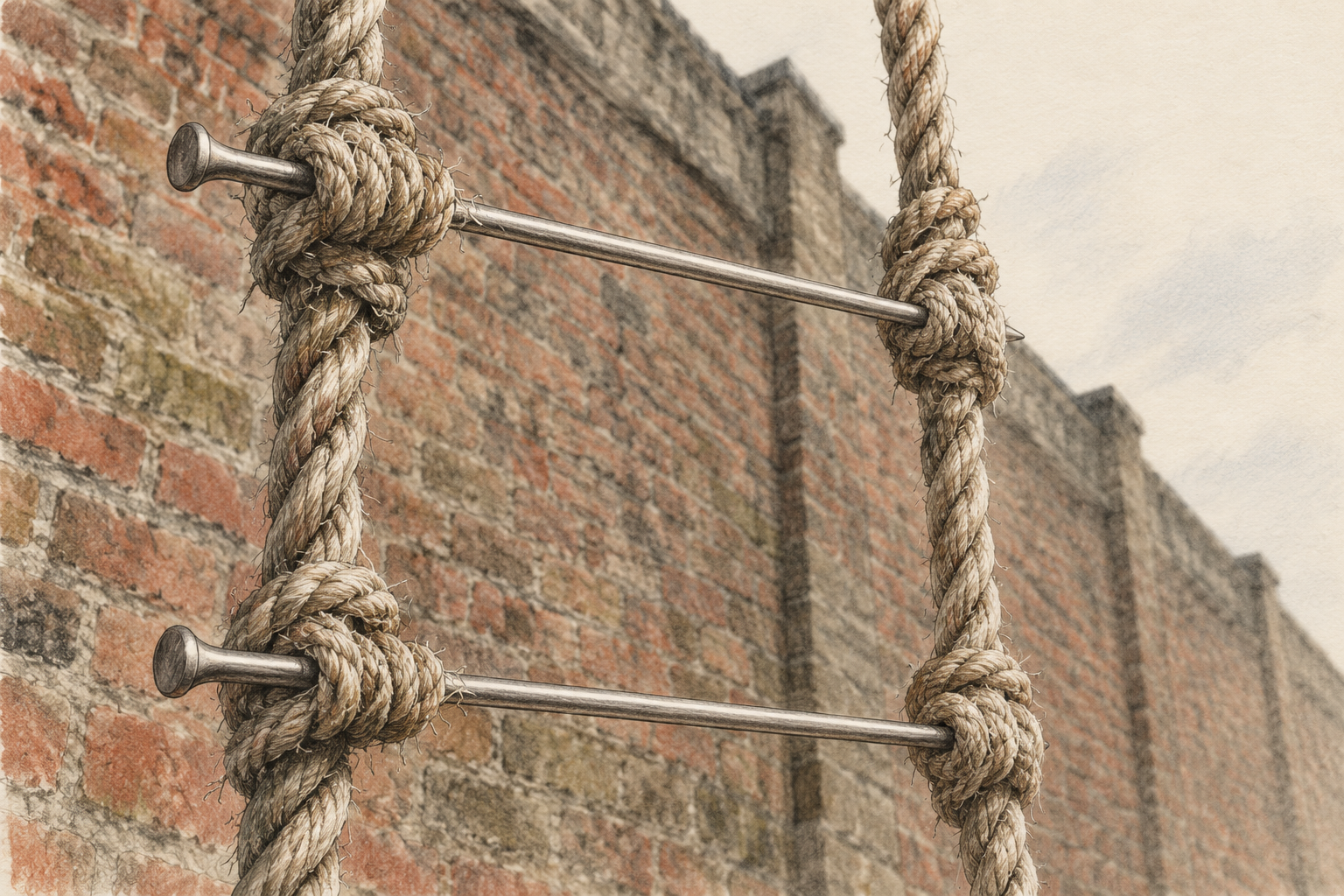
George Blake had received forty-two years for spying for the Soviet Union. On 22 October 1966, he climbed out of Wormwood Scrubs on a rope ladder reinforced with knitting needles. He had served barely five and a half years.
Sean Bourke helped Blake over the wall and hid him. Two anti-nuclear campaigners, Michael Randle and Pat Pottle, organised the onward journey. They had known Blake in prison and regarded him as a fellow political prisoner, according to the British government historian Gill Bennett’s account.
Blake remained in safe houses for about two months. Just before Christmas, Randle travelled with his wife and children in a campervan. Blake was concealed beneath the seats in the back. The family crossed the Channel and took him to an East German border checkpoint; his Soviet controller arranged the onward journey to Moscow.
The manhunt initially prompted speculation that Soviet or Eastern Bloc intelligence had organised the breakout. Bennett’s account says the evidence instead points to Blake arranging it with substantial help from sympathetic fellow prisoners.
His former employer presented Britain with an additional embarrassment. MI6’s existence had yet to be officially acknowledged. According to Bennett, the government could not identify Blake publicly in Parliament as an officer of the service whose secrets he had betrayed.
He had already exposed the Anglo-American listening tunnel under Berlin. His conviction formed part of a run of espionage scandals that burdened successive British governments. Then the prison system lost custody of him as well.
The Independent’s history of prison breaks places the escape in a dismal period for Britain’s prison service: train robber Ronnie Biggs had gone over the wall at Wandsworth the previous year. In Blake’s case, the paper describes guards distracted by a film and a ladder made from materials that belonged in an ordinary home.
Bennett's government history says the evidence points to Blake and sympathetic former inmates arranging the escape; early reports speculating about a Soviet-directed breakout are not treated as established fact.
Sources & further reading
- 22 October1966: spy George Blake escapes from Wormwood ScrubsUK Government history
- Daniel Khalife's escape follows a rich and troubled history of prison breaksThe Independent
SPY REGISTER MEMBERSHIP
Stay on the case.
Follow this story through the case files, read The Brief and keep your own saved reports.
$6.67 a month equivalent · $80 billed annually. Or $8 monthly.
Get the member edition →Renews automatically. Cancel renewal online.