From the archive · A retrospective
MI6’s Missing Frogman Exposed a Mission Eden Had Forbidden
Lionel Crabb vanished during a dive against Soviet warships in Portsmouth. The failed operation reached ministers more than two weeks later.
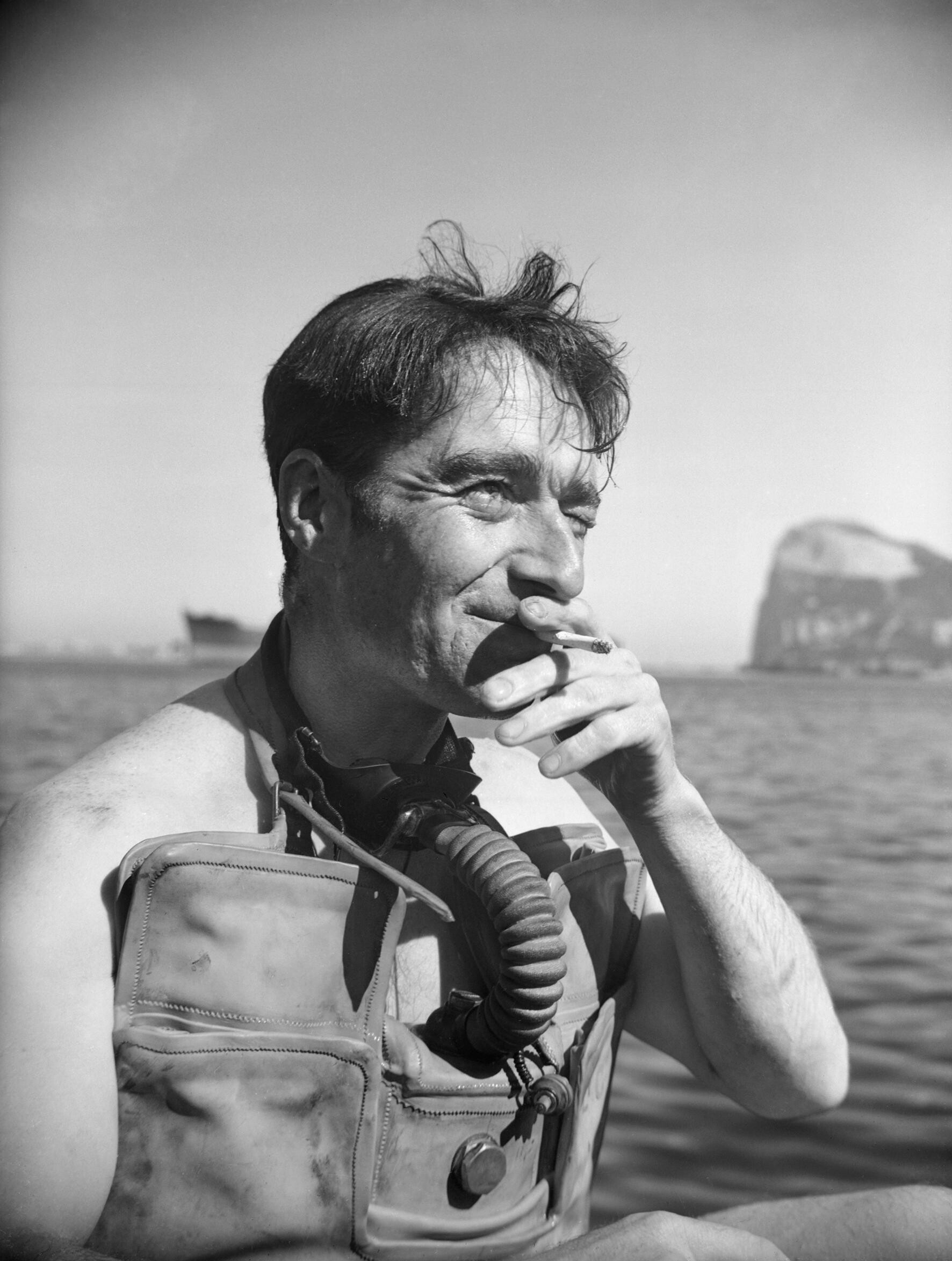
Anthony Eden had forbidden intelligence operations during the Soviet leaders’ goodwill visit to Britain. MI6 mounted one anyway. On 19 April 1956, retired naval commander Lionel Crabb entered Portsmouth Harbour for a mission against the visiting warships and failed to return.
According to Foreign Office historian Gill Bennett’s account of the later inquiry, Naval Intelligence had tasked the operation. Ministers had neither known of it nor approved it. Eden learned of the failure on 4 May and demanded an investigation into both the mission’s authority and the delay.
The diplomatic paper trail shows how difficult concealment became. In a note to the Foreign Office, the Soviet embassy said three sailors had seen a diver between their destroyers at 7.30 on the morning of 19 April.
The note described a black diving suit and flippers. It said the diver surfaced briefly, then went under a destroyer. The Soviets complained that a senior British naval officer had categorically denied that diving operations were taking place alongside their ships.
Britain’s reply called Crabb’s activity diving tests and said he was presumed dead. It acknowledged that the man seen by Soviet sailors was probably Crabb, described his approach to the destroyers as unauthorised and expressed regret.
Questions in Parliament produced little additional information. Asked what position Crabb held in the Admiralty and where he was stationed, the parliamentary secretary replied that he held none. He referred the questioner back to Eden’s earlier statement.
The inquiry presented a harsher picture than those public answers. Bennett’s account says officials had treated the operation as low-risk, expected secrecy to survive and passed responsibility for informing ministers between the Admiralty and Foreign Office. The affair exposed failures in authorisation and political judgment.
The immediate political problem is documented clearly: a covert mission had damaged a visit intended to improve relations, and the prime minister had been left uninformed while officials tried to manage its consequences. The surviving public accounts leave Crabb’s final moments unresolved.
The mission and official aftermath are documented. The article makes no claim that Crabb was murdered, defected or survived, and attributes the observed diver's identity as probable in the British reply.
Sources & further reading
- 9 May1956: Eden orders an enquiry into disappearance of Buster CrabbUK Government history
- Commander Crabb: Soviet note and United Kingdom replyUK Parliament / Hansard
- Commander CrabbUK Parliament / Hansard
SPY REGISTER MEMBERSHIP
Stay on the case.
Follow this story through the case files, read The Brief and keep your own saved reports.
$6.67 a month equivalent · $80 billed annually. Or $8 monthly.
Get the member edition →Renews automatically. Cancel renewal online.