From the archive · A retrospective
The Pentagon’s Plan to Frame Cuba for Terror in America
The Joint Chiefs approved proposals for manufactured attacks, a wrecked American ship and a fake airliner incident to build support for an invasion.
The request came from inside the American government: find incidents that could justify invading Cuba. The Joint Chiefs supplied a menu that included terrorism in American cities, an explosion aboard an American ship and a fabricated attack on a civilian airliner. Fidel Castro would get the blame.
The paper was sent to Defense Secretary Robert McNamara on March 13, 1962. Its title, Justification for U.S. Military Intervention in Cuba, described its purpose plainly. Under the codeword Northwoods, military planners worked backward from the intervention they wanted to the grievances the public would need to see.
One proposal called for a supposed Cuban communist terror campaign in Miami, elsewhere in Florida and Washington. Others contemplated assassinations of Cuban exiles or the sinking of a boatload of refugees, real or simulated. The distinction mattered to anyone who might have been aboard. In the planning document, either version could furnish a useful accusation against Havana.
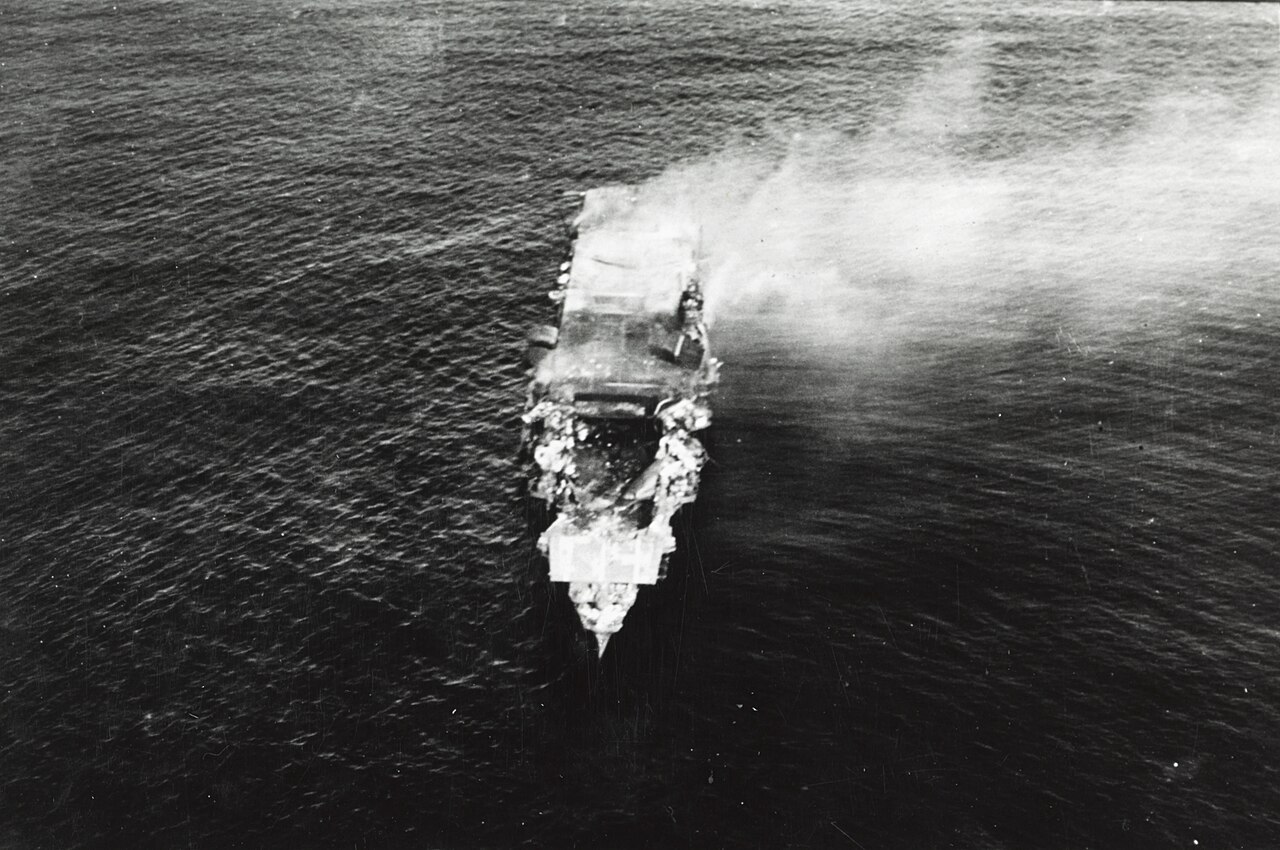
Guantanamo offered another possibility. An American ship could be blown up and Cuba blamed for its destruction. A naval catastrophe could furnish a story of American victimhood, complete with an enemy to punish. The proposal treated that public response as something military planners could arrange.
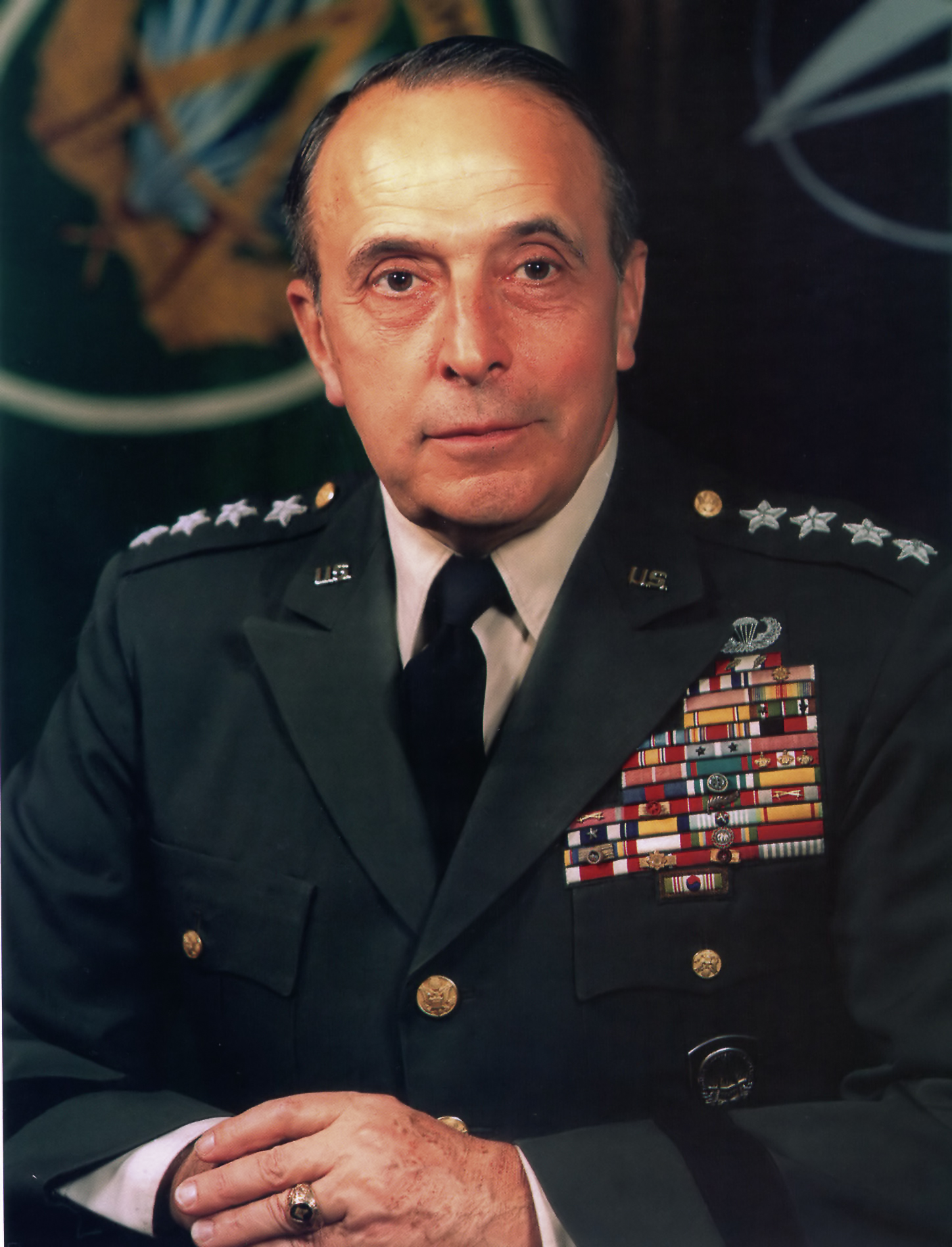
This was senior military planning. ABC’s reporting on James Bamford’s research said every member of the Joint Chiefs had given written approval to the proposals. Chairman Lyman Lemnitzer wanted the military to control both covert and overt aspects of the undertaking. The Archive records his caveat: avoid a course that would bring direct Soviet involvement.
The proposals belonged to the wider anti-Castro planning environment of Operation Mongoose. Their authors were the Joint Chiefs. Bamford specifically distinguished them from the National Security Agency, whose history was the subject of his book. The command structure matters: the military leadership was recommending fabricated grievances to the defense secretary.
Northwoods remained a proposal. Civilian leaders apparently rejected it, according to ABC’s account, and the suggested attacks were never carried out as a Northwoods operation. Its importance rests on what the chiefs were prepared to recommend, with their approval in writing and a plan for converting deception into public support for war.
The public obtained the paper through the Kennedy assassination records review process decades later. Bamford shared a copy with the National Security Archive, which posted the memorandum and its cover papers in 2001. A document conceived to make fabricated events persuasive became a record of the officials prepared to fabricate them. Their names remain attached.
Northwoods was a rejected proposal. These proposed attacks were not implemented as a Northwoods operation.
Sources & further reading
- Joint Chiefs pretexts for invading Cuba, March 13, 1962National Security Archive / released records
- U.S. Military Wanted to Provoke War With CubaABC News
- Pentagon Proposed Pretexts for Cuba Invasion in 1962National Security Archive
SPY REGISTER MEMBERSHIP
Stay on the case.
Follow this story through the case files, read The Brief and keep your own saved reports.
$6.67 a month equivalent · $80 billed annually. Or $8 monthly.
Get the member edition →Renews automatically. Cancel renewal online.