
Member article
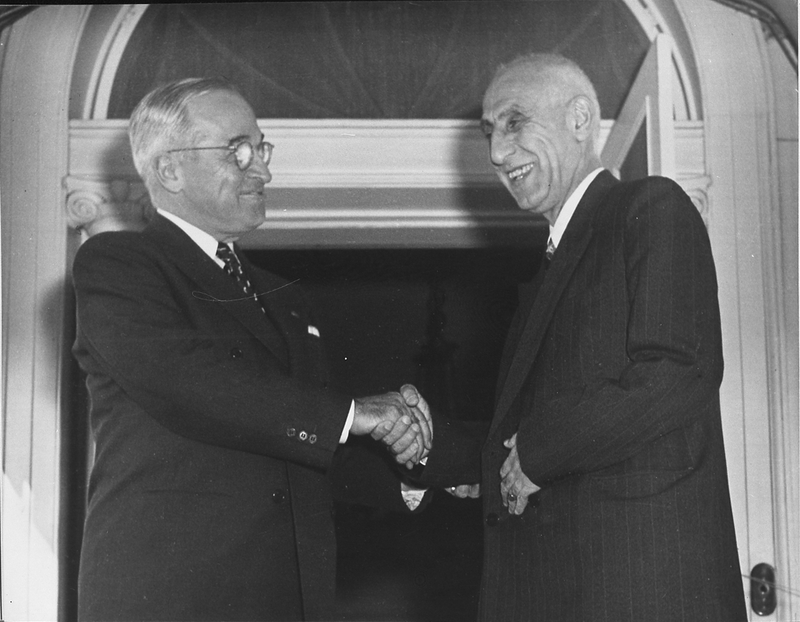
The CIA’s Instructions for Overthrowing Iran’s Prime Minister
A surviving internal account sets out the target, the replacement and the political machinery behind Mosaddeq’s fall.
SPY REGISTER / THE ARCHIVE
Operations, double lives, stolen secrets and the people behind them.
A surviving internal account sets out the target, the replacement and the political machinery behind Mosaddeq’s fall.
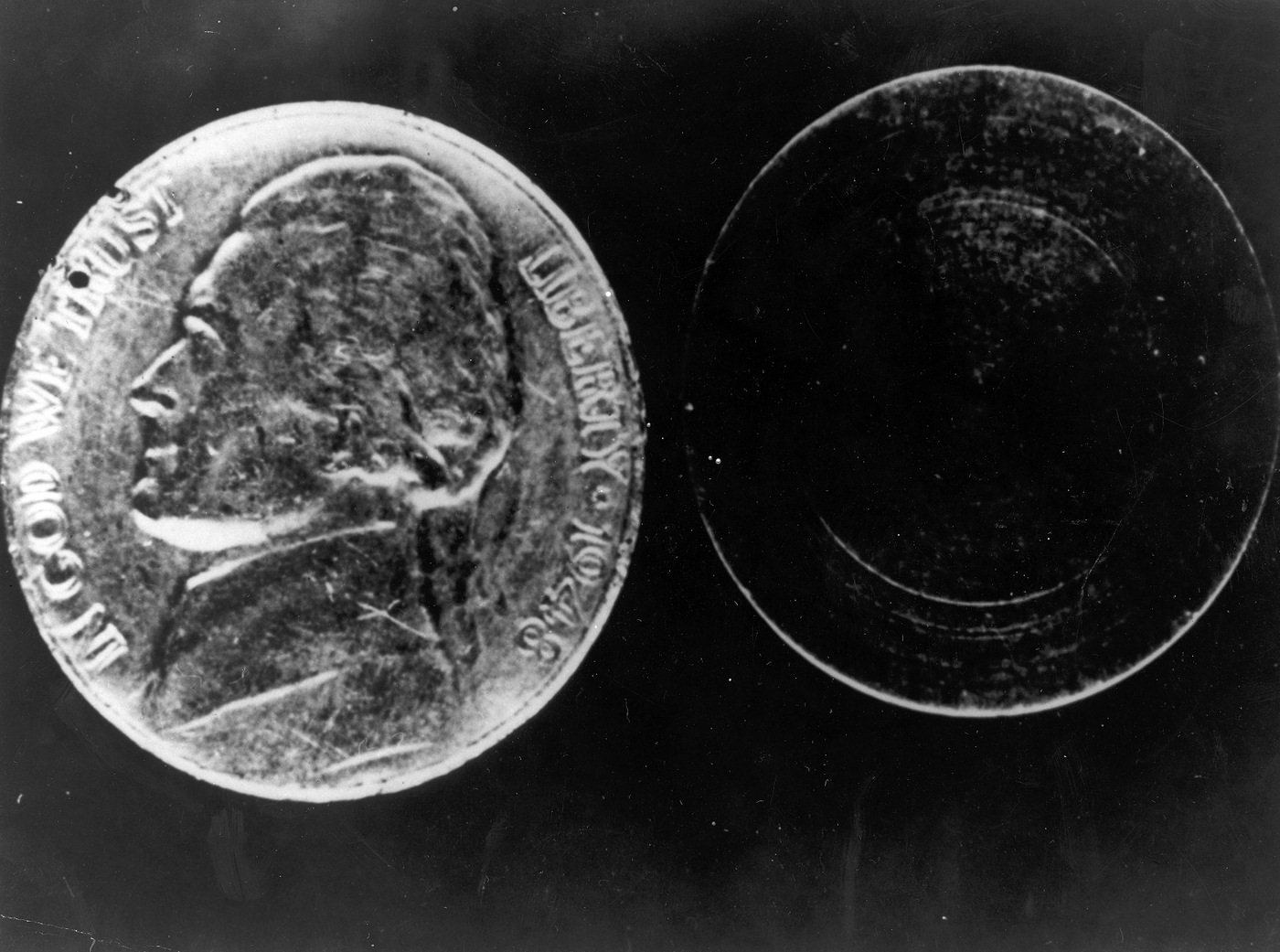
A five-cent coin split open on a Brooklyn floor in 1953. The coded message inside defeated the FBI for four years.
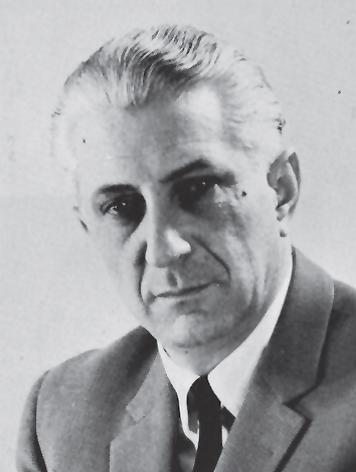
Amos Manor survived Auschwitz, left Romania under an assumed name and joined Israel’s security service within weeks. Four years later, he was running it.
The SOE courier maintained a cover story, protected colleagues and survived more than two years in enemy custody.
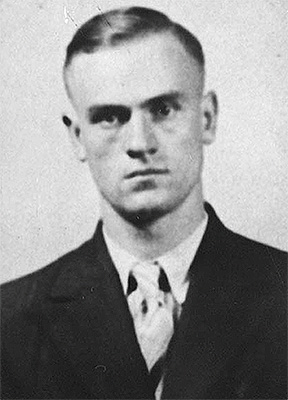
Igor Gouzenko’s 1945 defection exposed a Soviet network in Canada. His first problem was persuading anyone to listen.
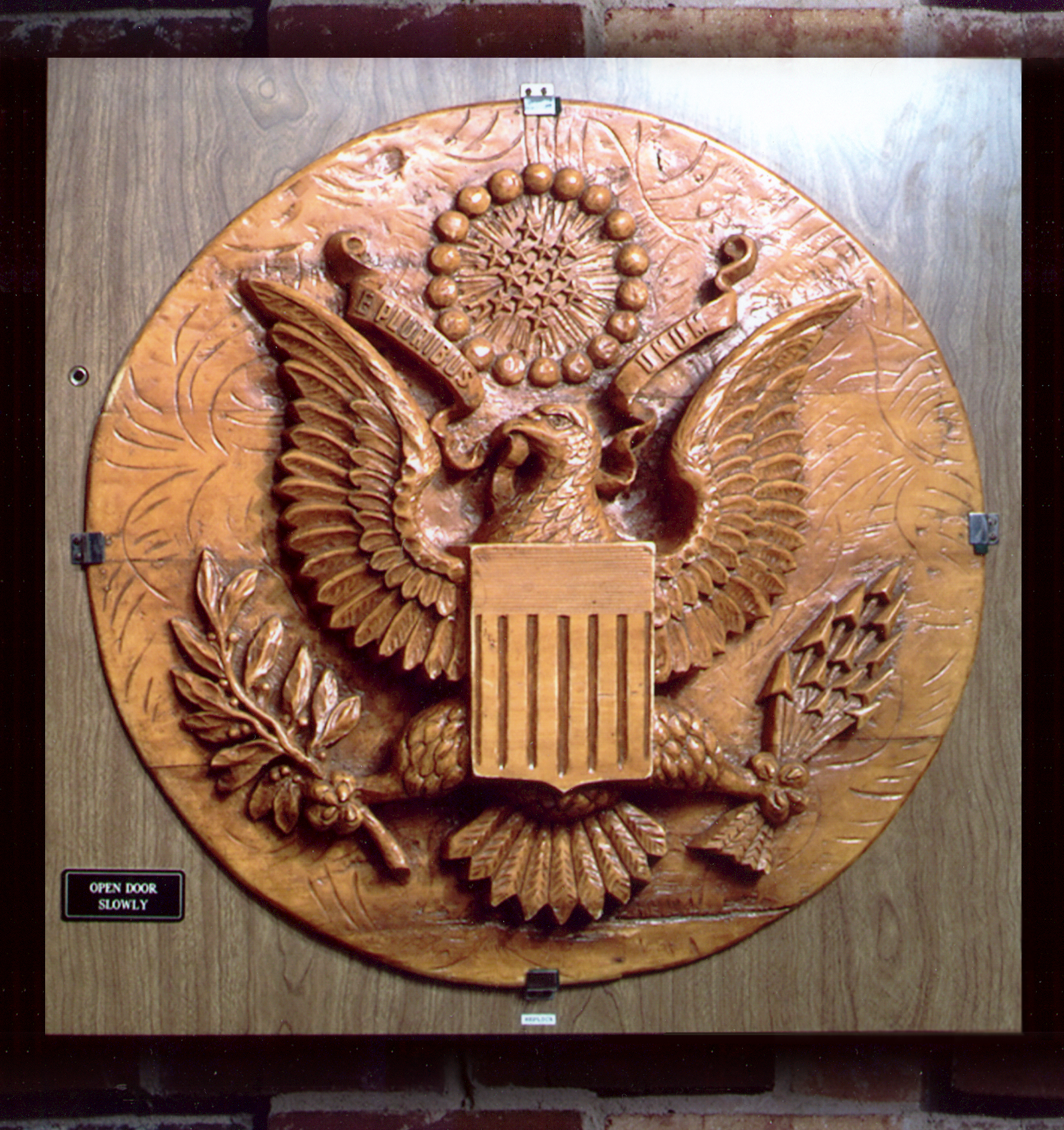
Soviet schoolchildren delivered the gift. An American ambassador hung it in his office. The listening device stayed hidden until 1952.
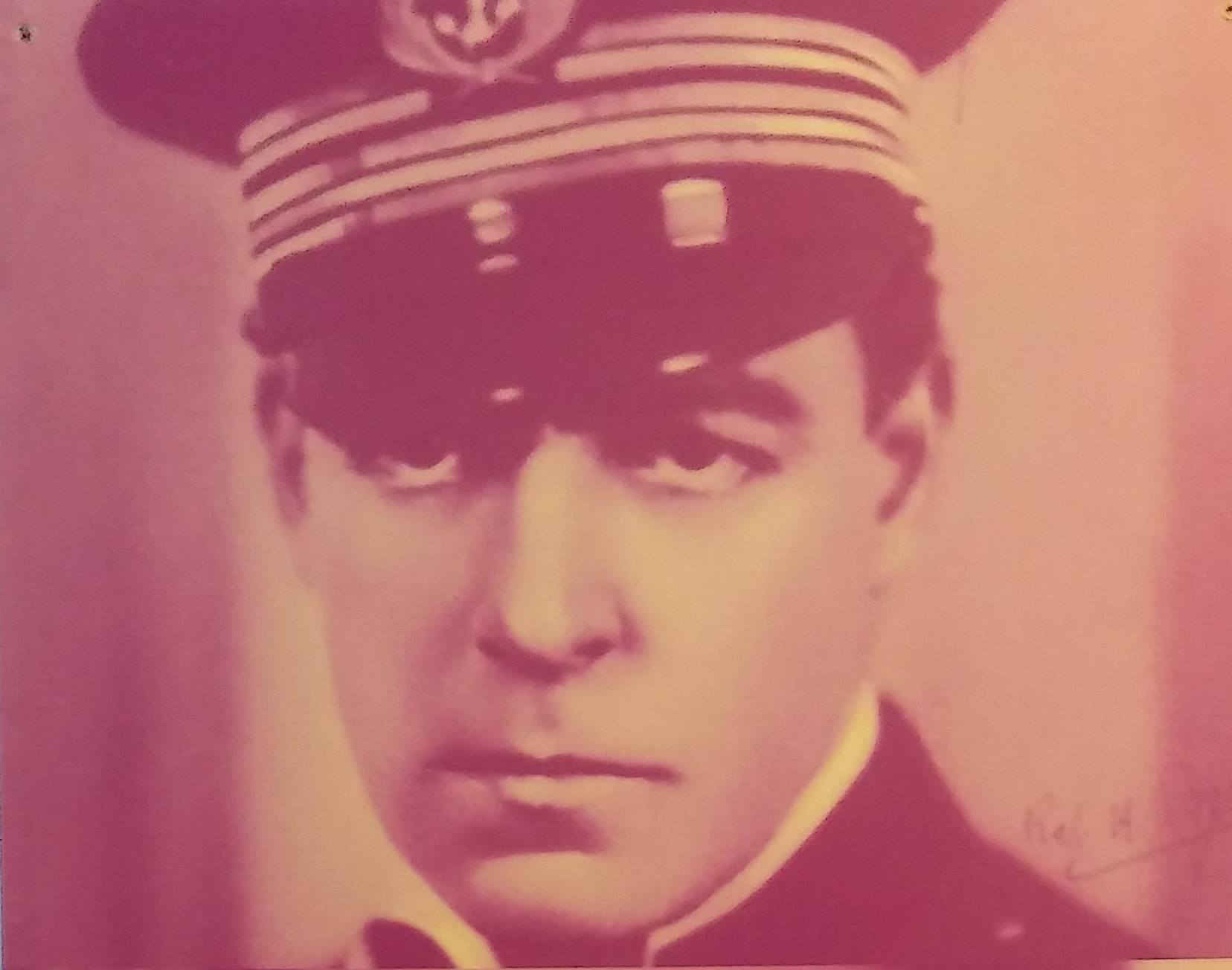
Jacques and Lotka de Prévaux gathered and carried intelligence in southern France before their arrest and execution.
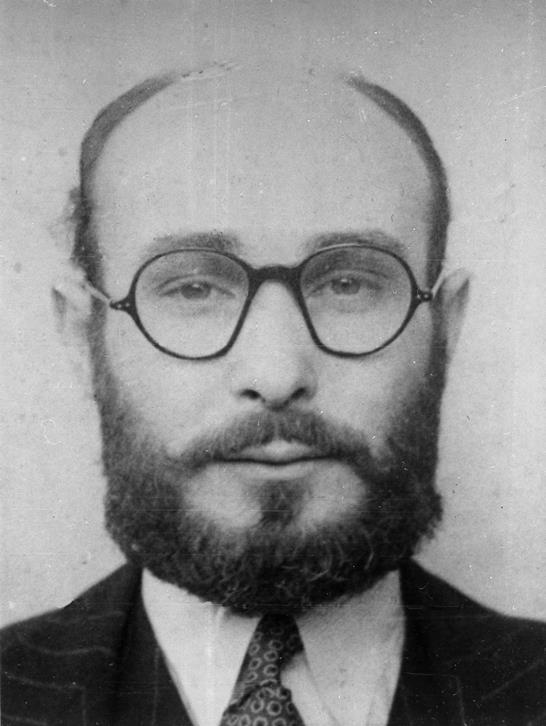
MI5’s double agent built fictitious sources, carefully timed truths and a persuasive story about D-Day. His German handlers rewarded him for it.
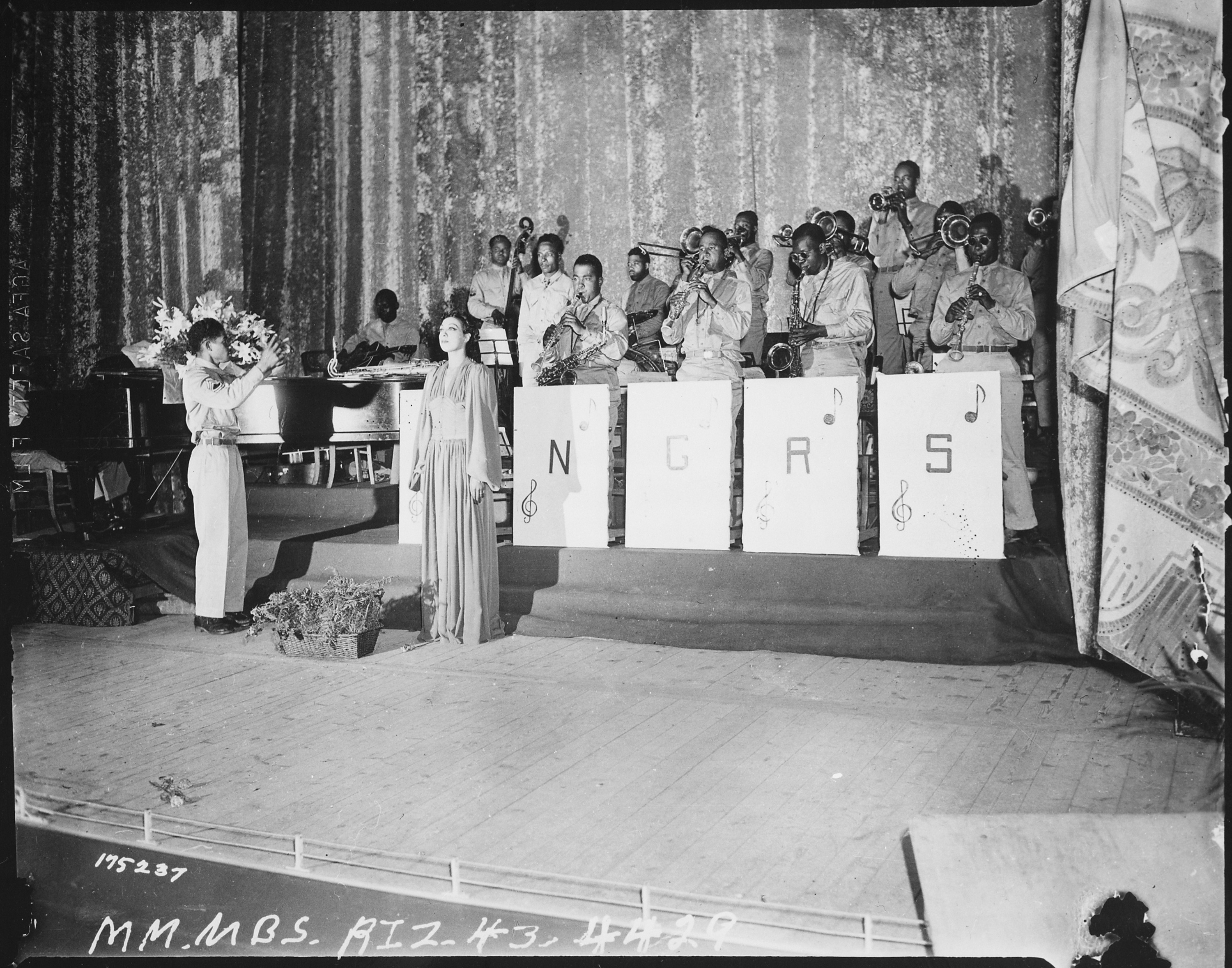
The star’s fame opened borders and embassy doors. French intelligence used the access—and the musical scores in her luggage.
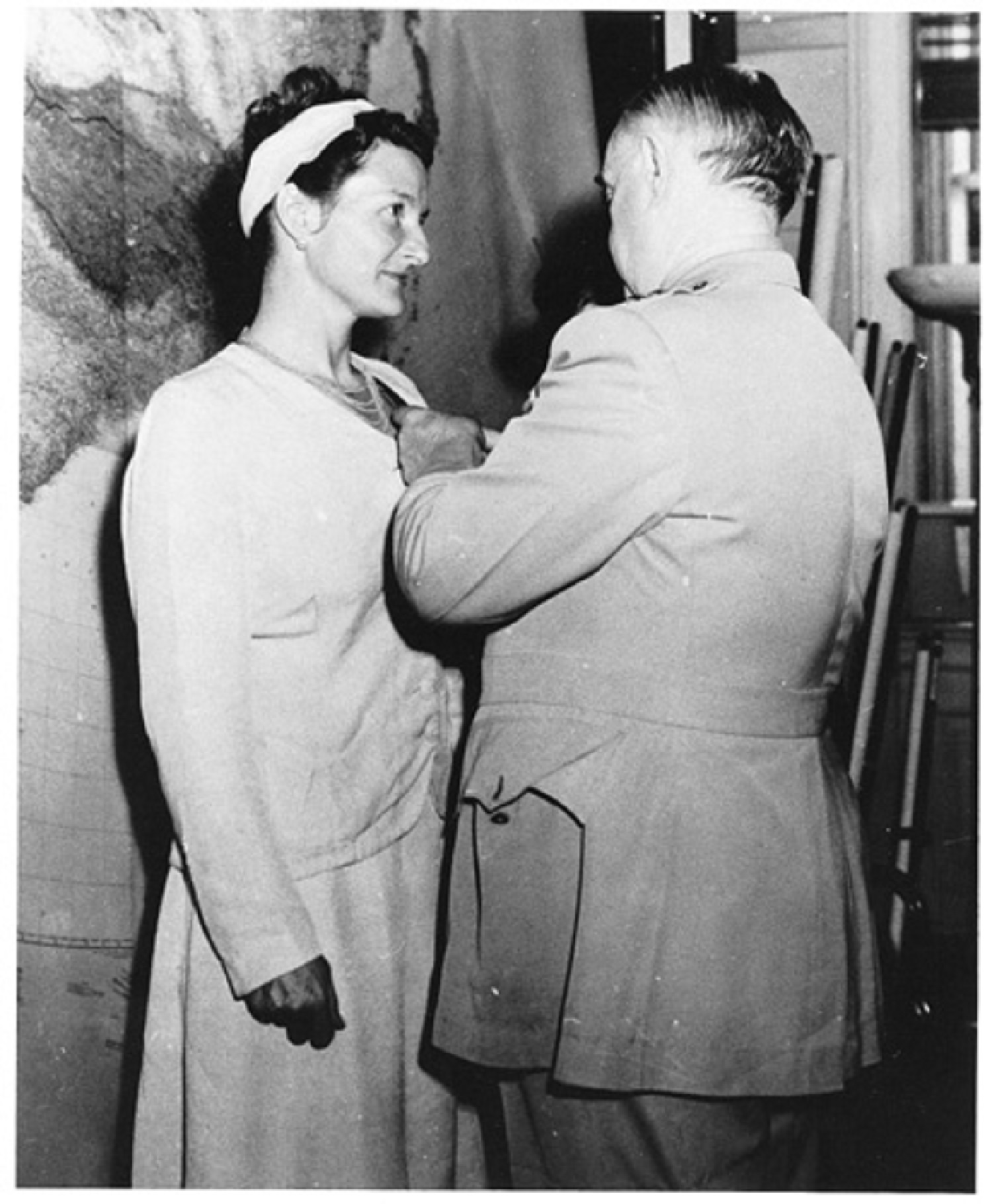
Rejected by the Foreign Service after losing a leg, Hall built resistance networks in France and returned for an OSS mission before D-Day.
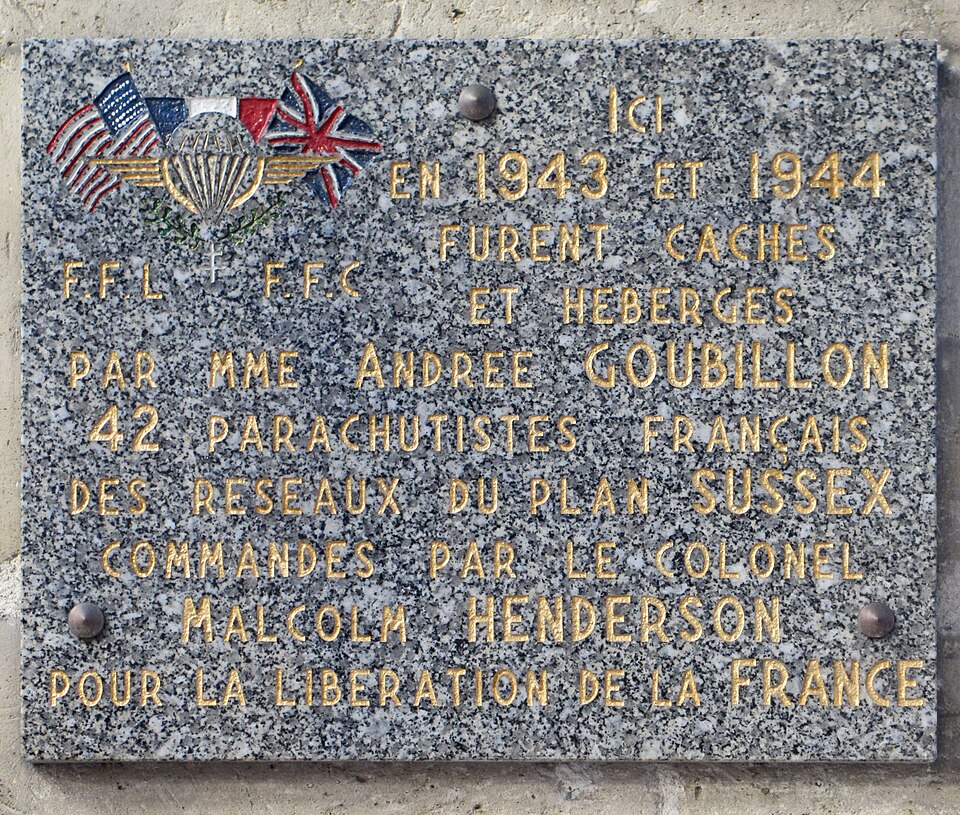
The French Pathfinder agent prepared refuges, contacts and drop sites for the Allied Sussex intelligence teams in 1944.
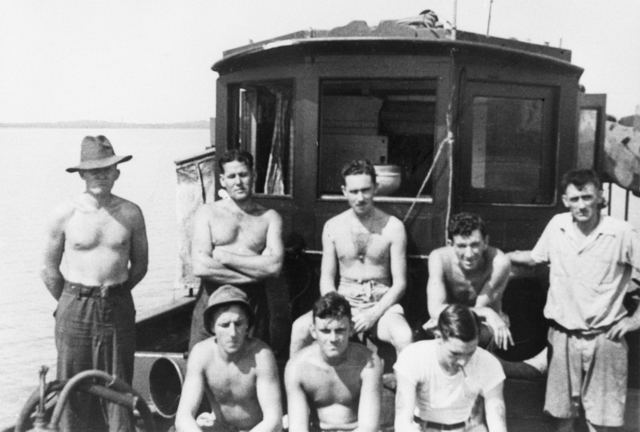
A captured fishing boat carried Allied raiders through Japanese-held waters in 1943. Its disguise survived an encounter with a destroyer at barely 100 yards.

SIGSALY turned encrypted speech into a vast operation of turntables, couriers and technicians.
British intelligence planted a fictitious Royal Marine officer off Spain in 1943, using personal papers and a briefcase to direct German attention away from Sicily.
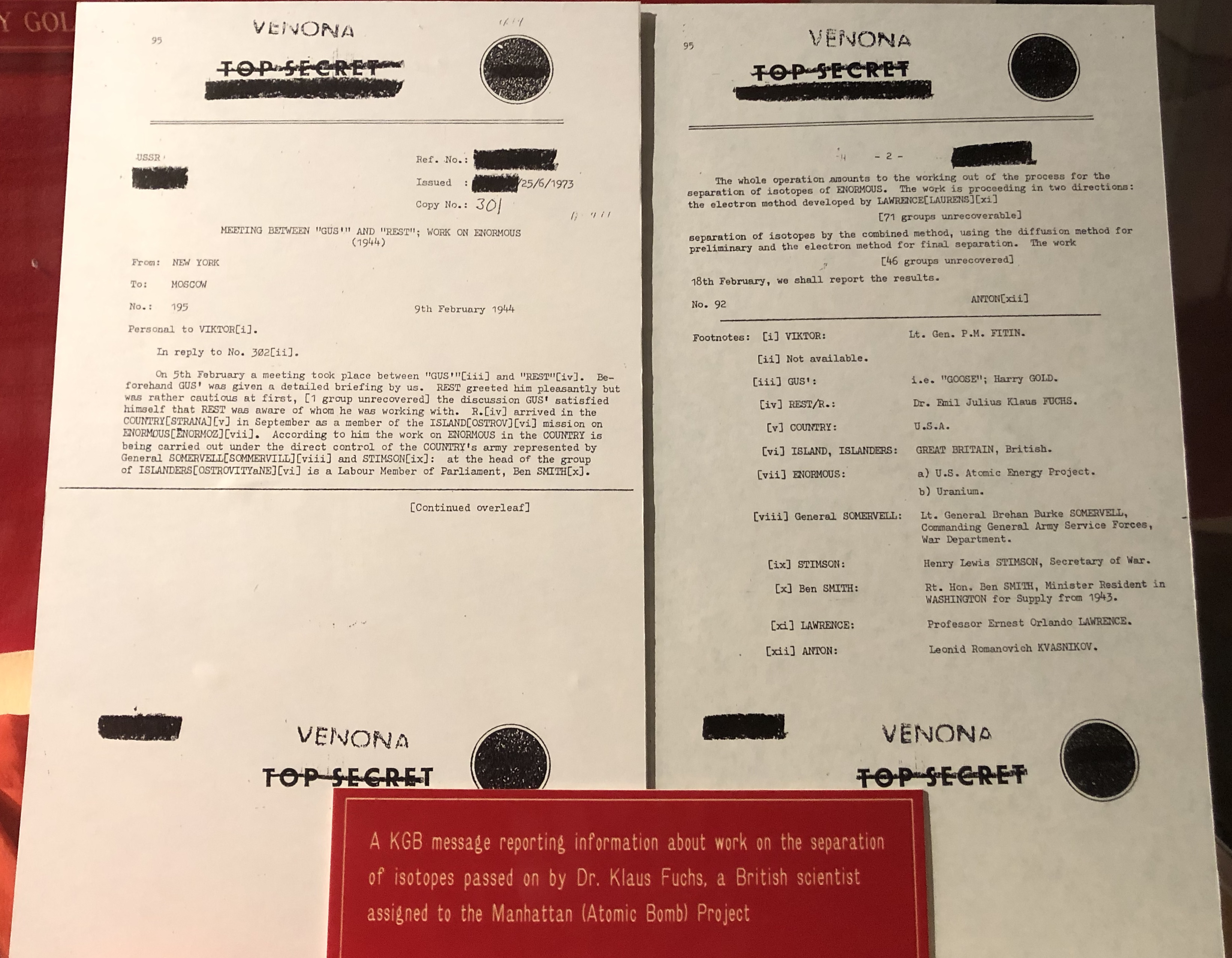
VENONA grew from a small Army project into a decades-long intelligence partnership. Its surviving messages also show the limits of reading an enemy’s traffic.
A safecracker sent to sabotage Britain surrendered after landing in December 1942; MI5 used a staged factory bombing to convince his German handlers he had succeeded.
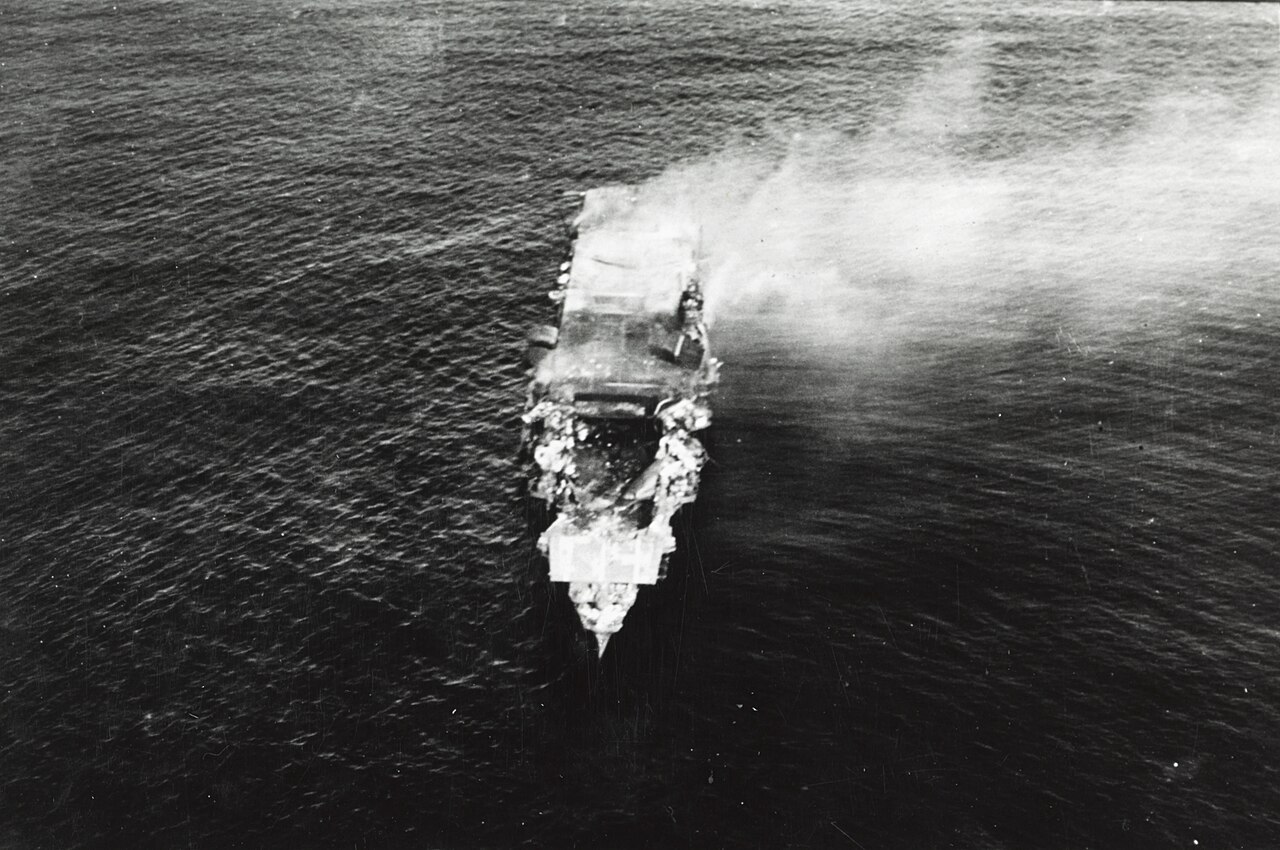
American codebreakers planted a lie where Japanese intelligence could find it.
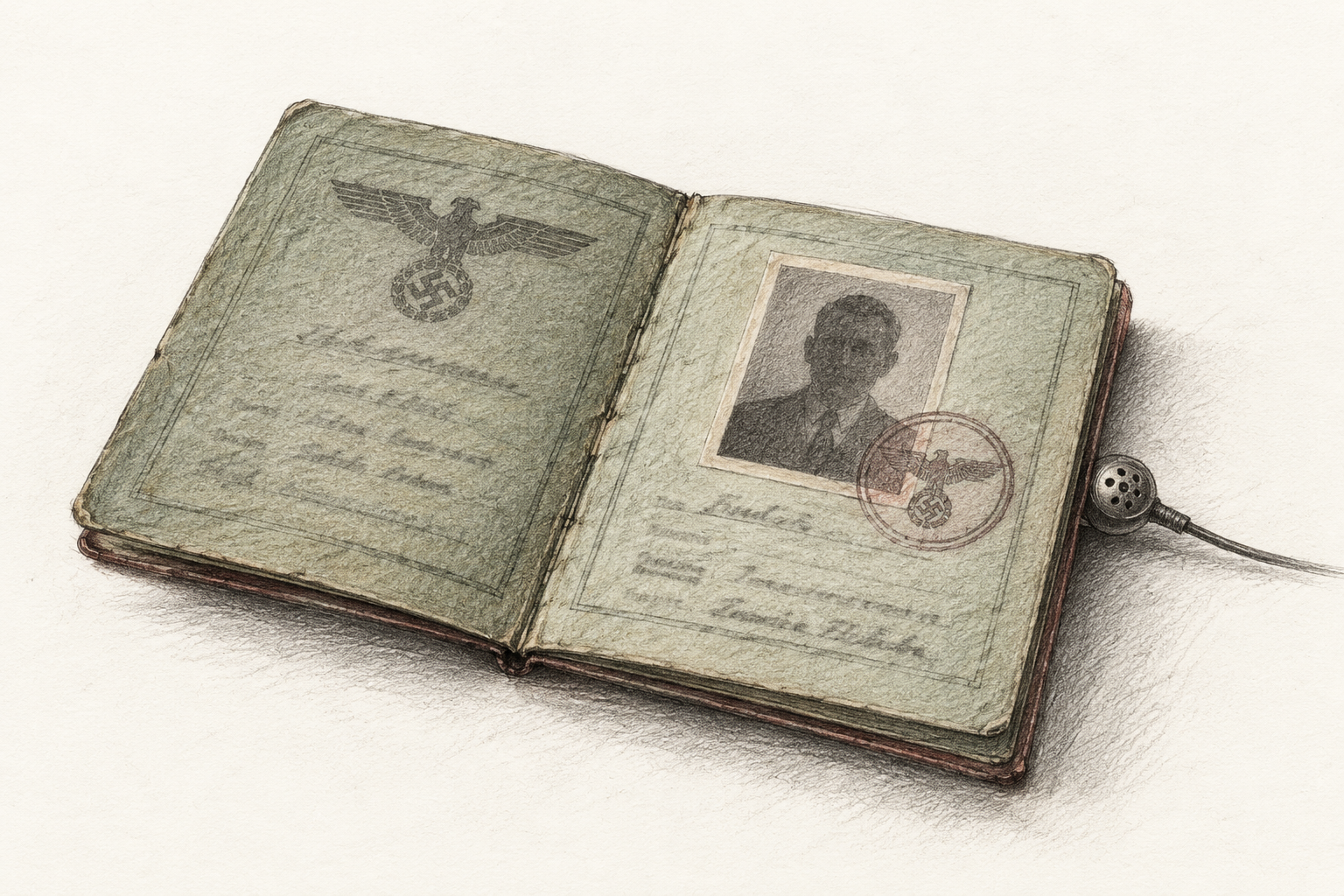
Eric Roberts used a forged German identity card and a bugged London flat to receive military information from British Nazi sympathisers.
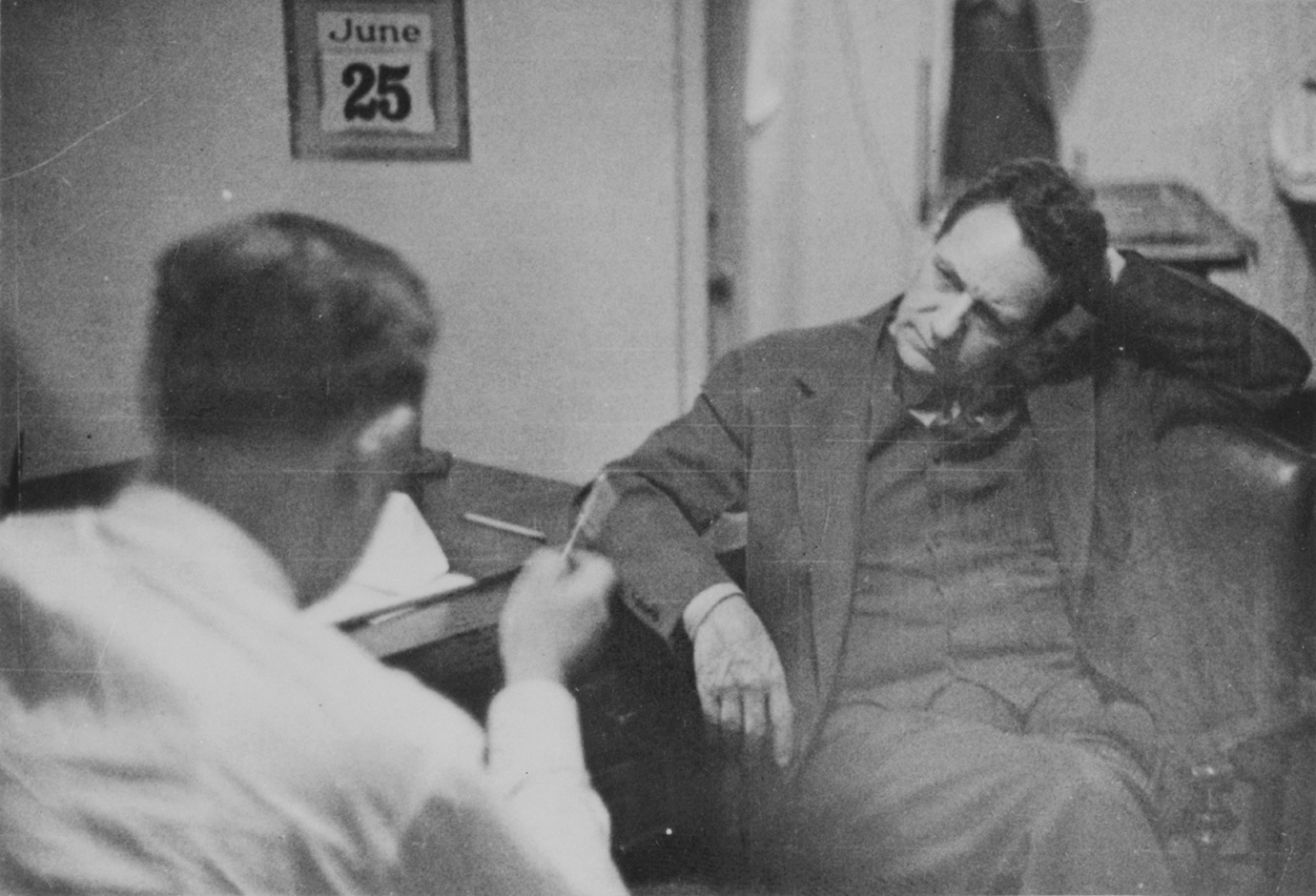
Germany sent William Sebold to New York as an agent. His handlers’ messages and his visitors were soon passing through an FBI trap.
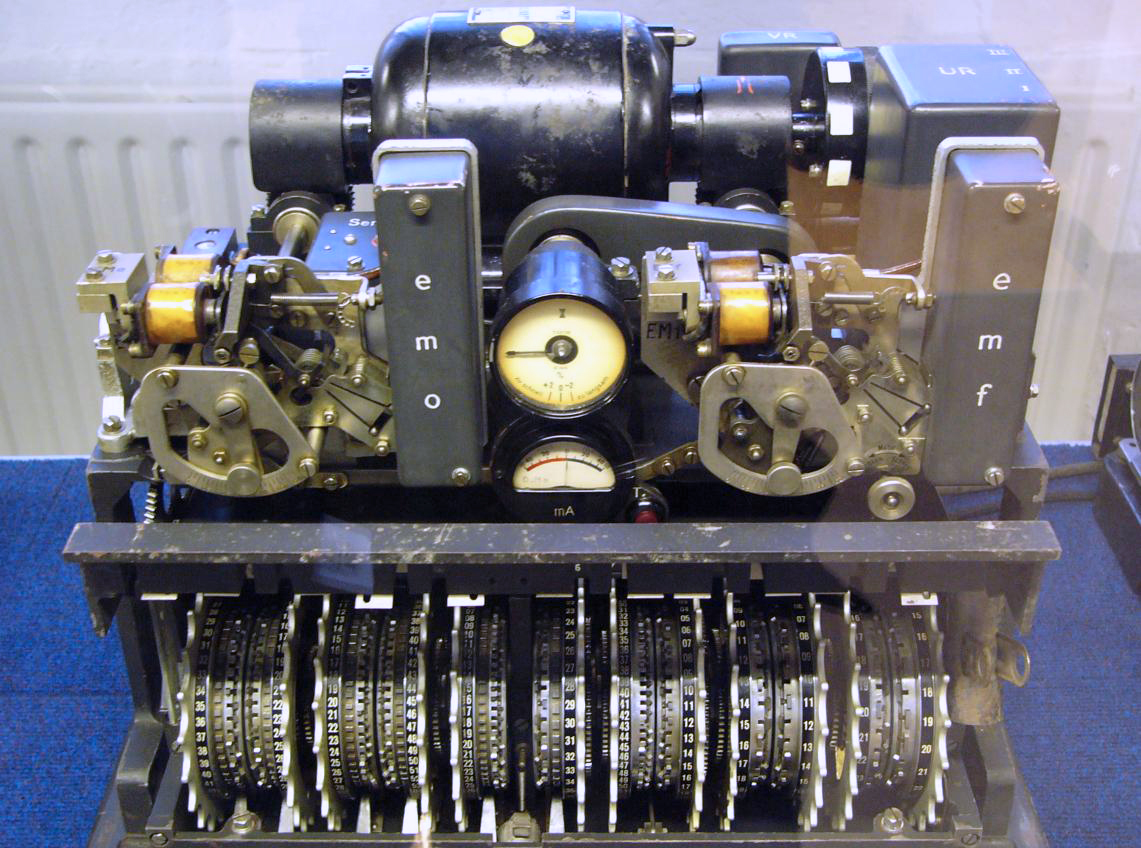
One breach of procedure gave Bletchley Park an opening into the communications of the German High Command.
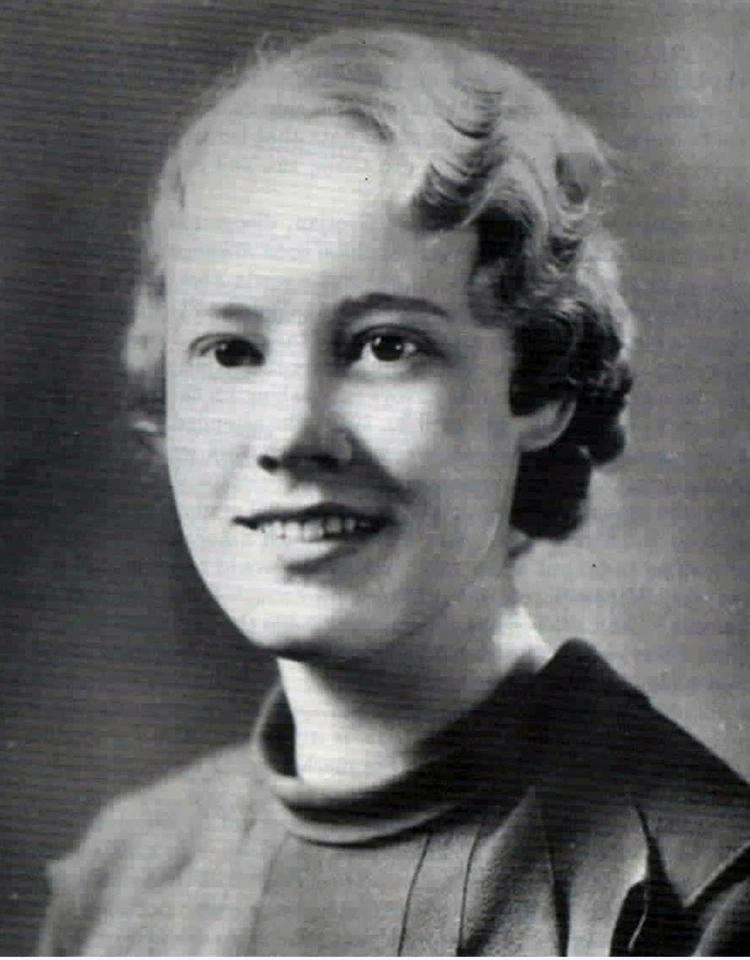
Her discovery opened PURPLE. Her next breakthrough helped unlock KGB traffic.
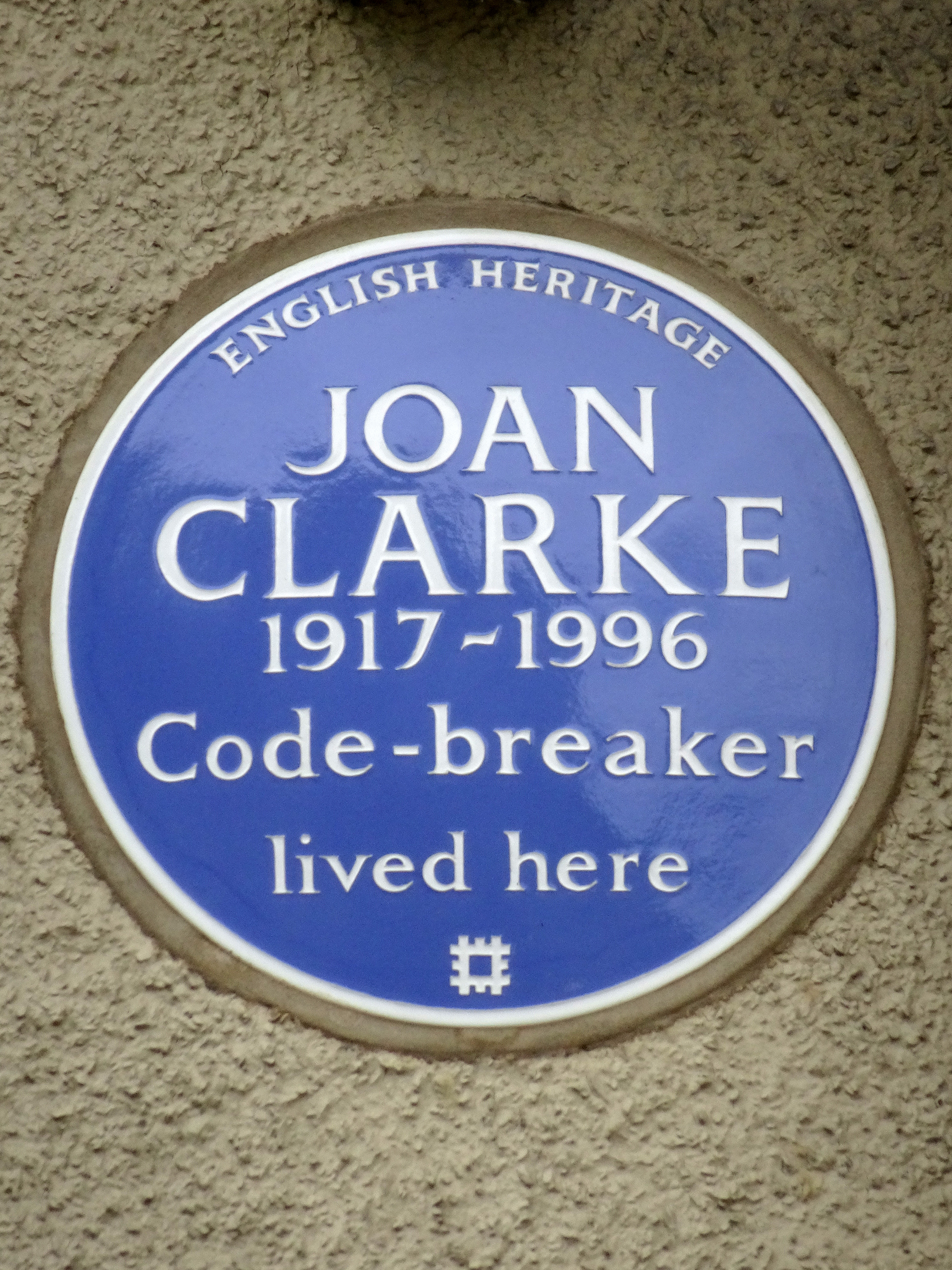
The Hut 8 specialist helped attack naval Enigma, became a wartime deputy and continued her intelligence career at GCHQ.
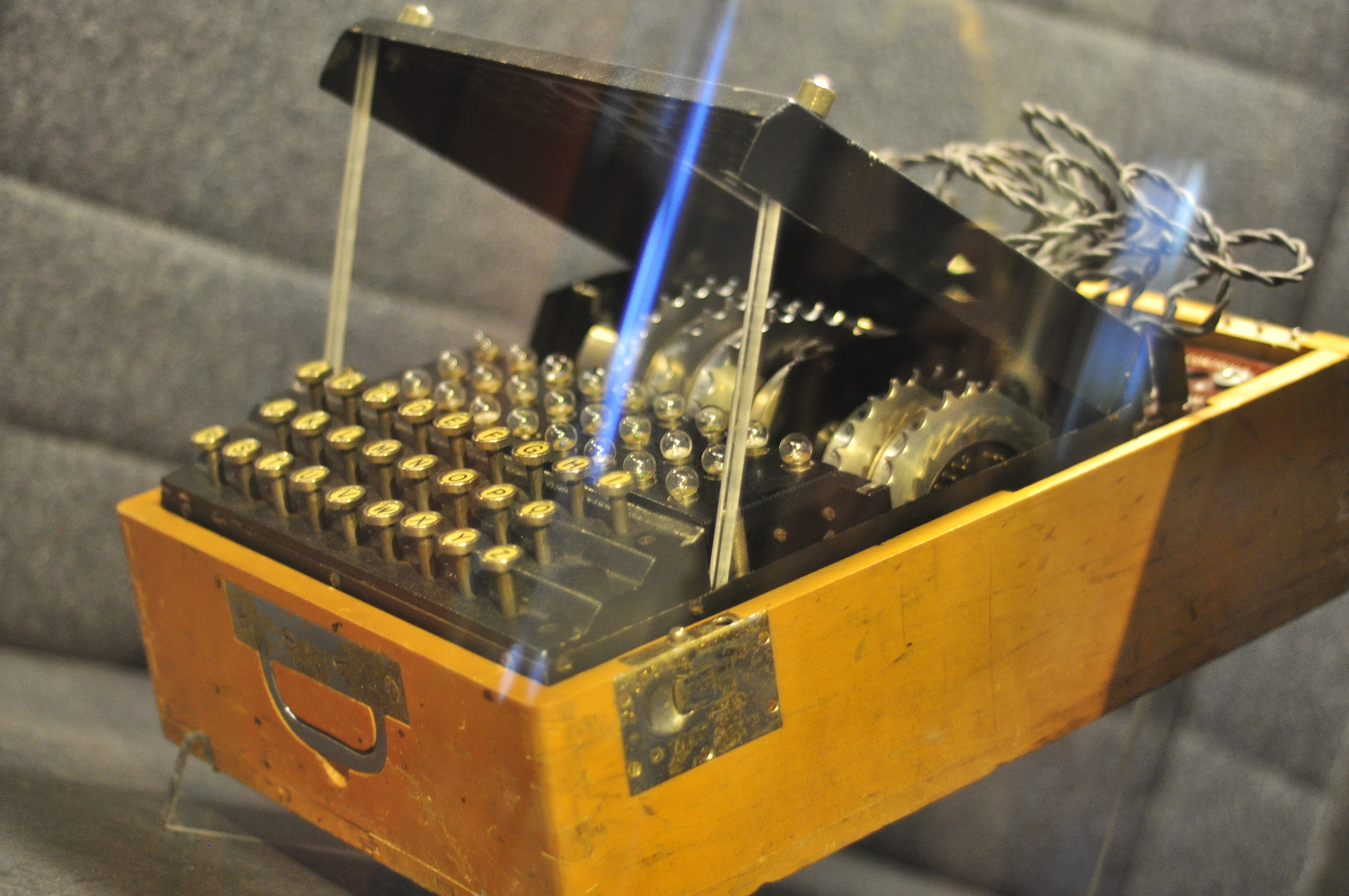
The July 1939 meeting outside Warsaw exposed how far Polish codebreakers had advanced—and helped turn Britain toward the methods Enigma required.
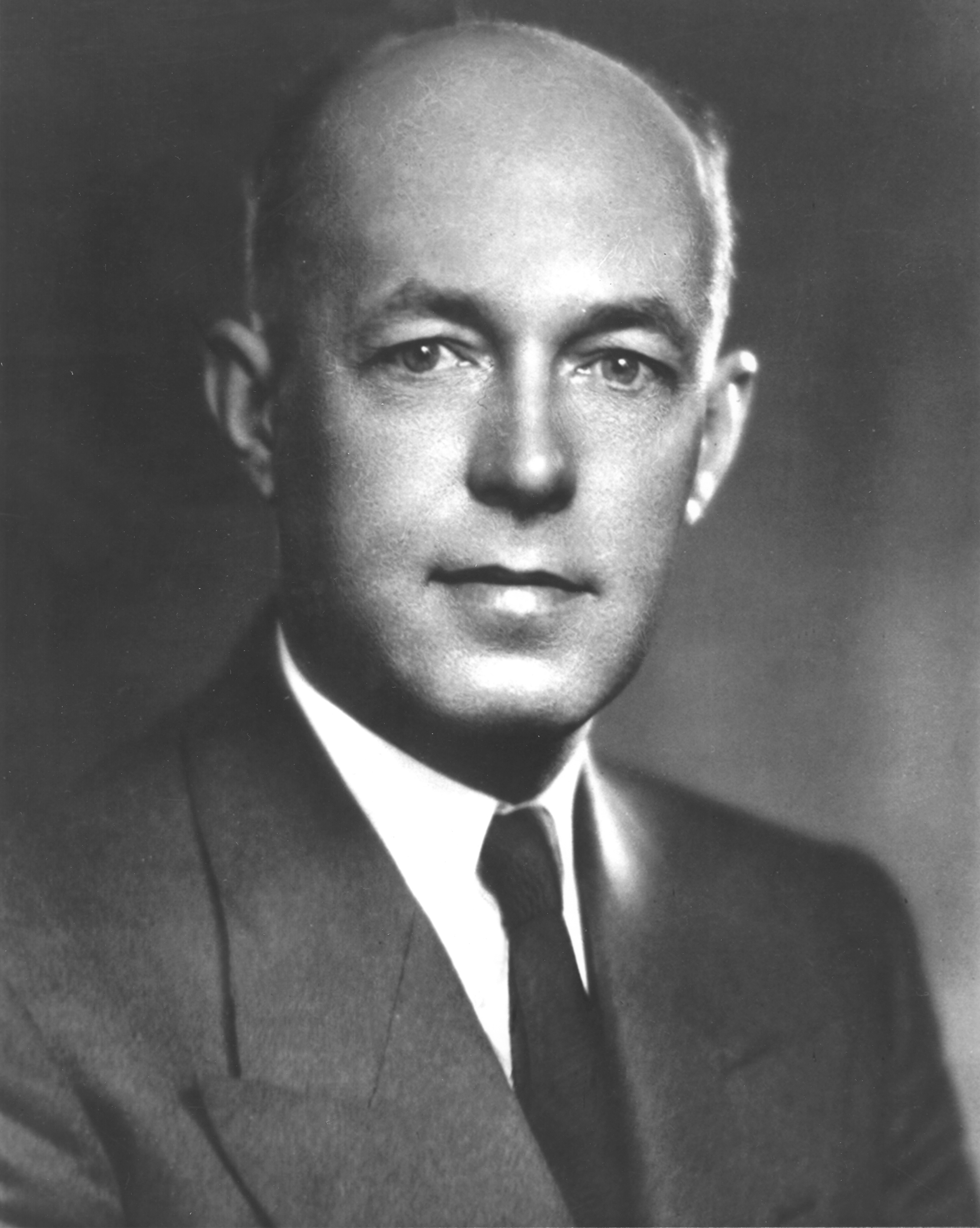
Washington closed his bureau. Its former chief put the operation into print.