From the archive · A retrospective
Eddie Chapman’s fake aircraft-factory attack built his cover as Agent Zigzag
A safecracker sent to sabotage Britain surrendered after landing in December 1942; MI5 used a staged factory bombing to convince his German handlers he had succeeded.
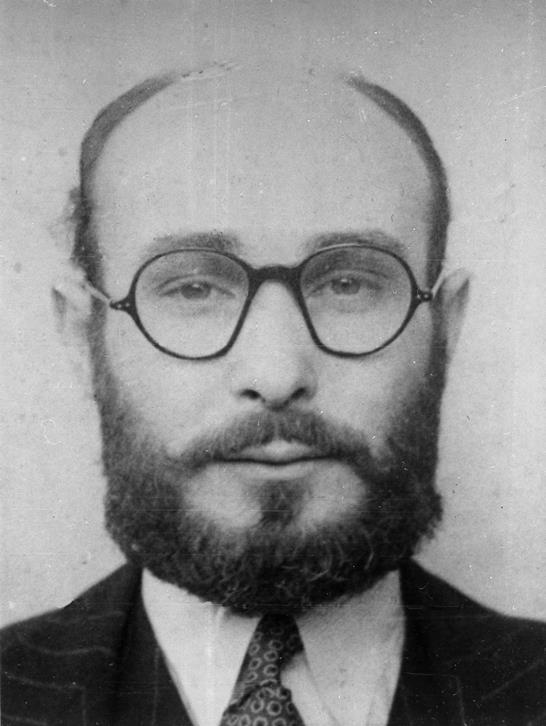
Eddie Chapman arrived by parachute in Cambridgeshire on 16 December 1942 with a German sabotage mission. He promptly surrendered to police and offered to work for British intelligence. MI5 had anticipated the arrival through decrypted communications. The man Germany expected to use against the De Havilland aircraft factory instead became a double agent whose credibility depended on appearing to carry out the attack.
Chapman’s pre-war experience helped explain the German recruitment. He was a professional criminal familiar with explosives and safe-breaking, and had been imprisoned in Jersey before the German occupation. The Frank Falla Archive traces his subsequent recruitment and training by the Abwehr in France. After he reached Britain, interrogation at Camp 020 persuaded MI5 that his resourcefulness could be useful despite the doubts his criminal record raised.
His British handlers supplied the apparent result his German controllers wanted. During the night of 29–30 January 1943, the aircraft works at Hatfield acquired a carefully constructed appearance of bomb damage. MI5 describes wooden and papier-mâché wreckage, painted coverings and scattered debris, intended to persuade reconnaissance aircraft that the power plant had been destroyed. A planted newspaper report helped support the fiction. Chapman could report an accomplishment while production had survived.
The Frank Falla Archive follows the less orderly end of the partnership. Chapman returned to continental Europe and later came back to Britain, but concerns about indiscretion and renewed contact with criminal acquaintances helped end his intelligence employment in 1944. His case illustrates the practical bargain behind running a double agent: unusual skills and convincing access could create an opportunity, while the same person’s conduct could eventually make that opportunity too difficult to control.
Frank Falla draws partly on MI5’s files and is not an independent witness to every episode. Omitted the erroneous claim that the Iron Cross was Germany’s highest honour.
Sources & further reading
- Agent ZIGZAGMI5
- Edward 'Eddie' Arnold ChapmanFrank Falla Archive
SPY REGISTER MEMBERSHIP
Stay on the case.
Follow this story through the case files, read The Brief and keep your own saved reports.
$6.67 a month equivalent · $80 billed annually. Or $8 monthly.
Get the member edition →Renews automatically. Cancel renewal online.