From the archive · A retrospective
Six Messages Gave Genevieve Grotjan a Way Into Japan’s Secret Code
Her discovery opened PURPLE. Her next breakthrough helped unlock KGB traffic.
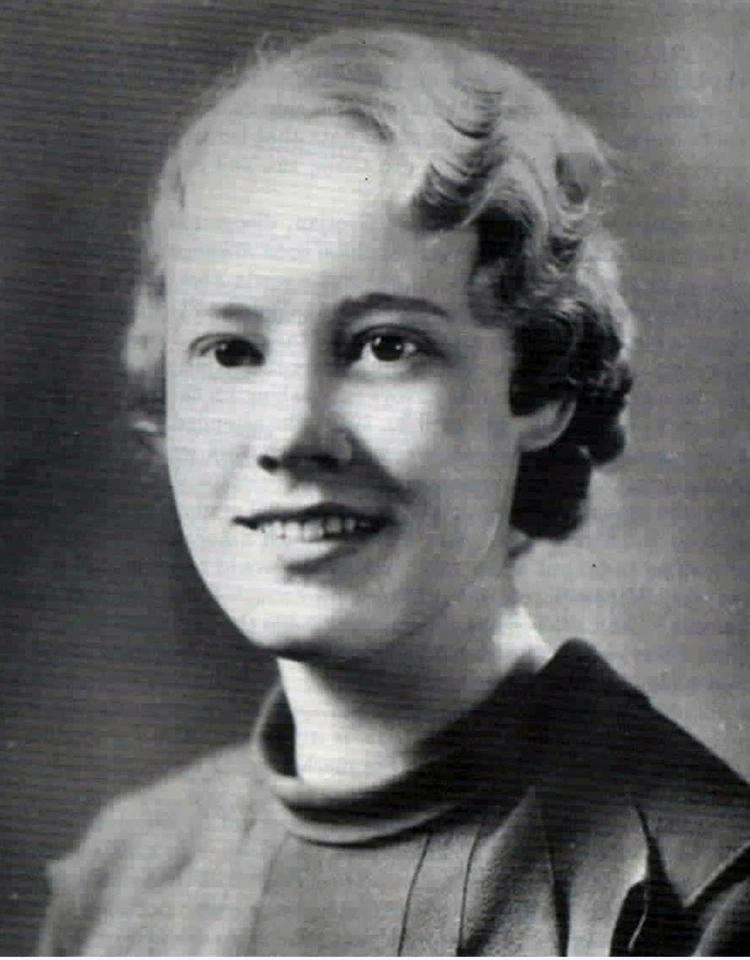
Genevieve Grotjan found the opening in six messages. On 20 September 1940, the 27-year-old cryptanalyst noticed repeated sequences inside Japanese diplomatic ciphertext that had resisted her colleagues for months. The discovery supplied the entry point into PURPLE, a system whose machinery the American team had never seen.
The Army’s Signals Intelligence Service had been trying to solve the replacement for Japan’s earlier RED cipher since February 1939. The change had severely interrupted Washington’s access to Tokyo’s diplomatic communications. An enemy’s choice of machine had suddenly made a familiar stream of intelligence unreadable.
The team had worked out that PURPLE treated two groups of letters differently: six in one group, twenty in the other. Progress on the smaller group allowed Leo Rosen to build a mechanism that exposed pieces of a message. The larger group continued to frustrate the cryptanalysts.
Grotjan worked with Robert Ferner, Albert Small and Rosen under Frank Rowlett. Comparing the six partially reconstructed messages, she detected a recurring sequence among the twenty-letter group. The Army historian’s reconstruction describes her showing the worksheets to her colleagues. Their reaction was immediate; the long search had acquired a route forward.
A week later, Rowlett gave William Friedman two fully deciphered PURPLE messages. Grotjan’s pattern had helped the service reconstruct the system, and the Army built an analogue machine to read it. NSA’s historical account credits exploitation of PURPLE with supplying important intelligence in both the Atlantic and Pacific during the war.
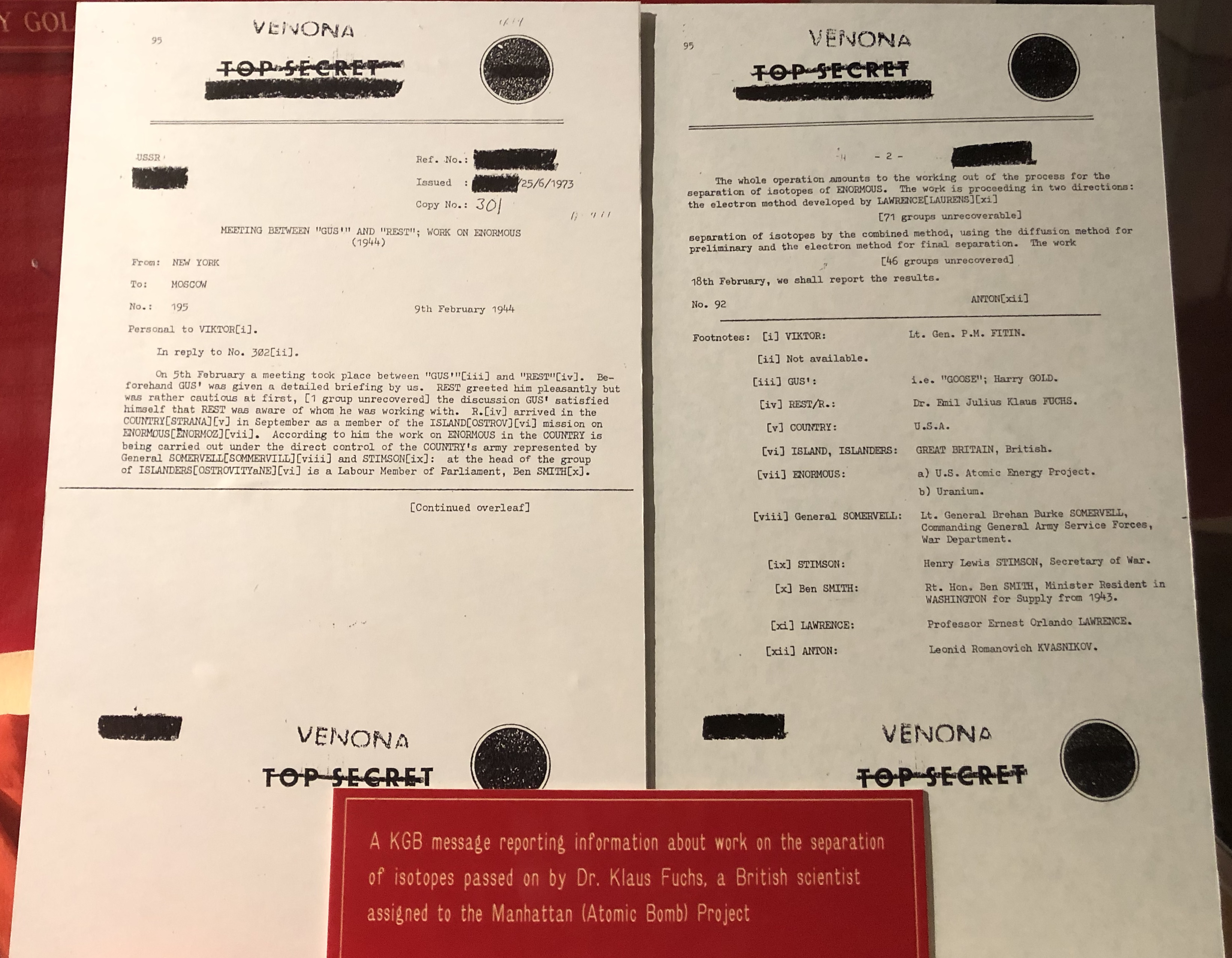
Her next assignment reached into another great-power secret. By October 1943 she was working on Soviet communications in the project later called VENONA. NSA credits her with devising a method for recognising reused cryptographic key material, a discovery that helped unlock KGB messages. The same analyst had contributed to two exceptionally consequential breakthroughs.
Grotjan married chemist Hyman Feinstein in 1943 and eventually left government service for an academic career in mathematics. She died in 2006, aged 93; NSA inducted her into its Hall of Honor in 2010. Her public biography compresses years of secret work into a few paragraphs. The surviving account of September 1940 preserves something more specific: a young analyst, six messages and a pattern her colleagues could finally use.
The account of the discovery follows the Army historian’s reconstruction.
Sources & further reading
- SIS Makes Breakthrough Against Japanese Code (20 SEP 1940)DVIDS / US military published records
- Genevieve Grotjan FeinsteinNational Security Agency
SPY REGISTER MEMBERSHIP
Stay on the case.
Follow this story through the case files, read The Brief and keep your own saved reports.
$6.67 a month equivalent · $80 billed annually. Or $8 monthly.
Get the member edition →Renews automatically. Cancel renewal online.