From the archive · A retrospective
Herbert Yardley Turned America’s Codebreaking Secrets Into a Bestseller
Washington closed his bureau. Its former chief put the operation into print.
Herbert Yardley turned a closed intelligence bureau into a publishing business. On 1 June 1931, The American Black Chamber exposed the codebreaking operation he had led for the United States. Foreign governments could buy an account of how Washington had read diplomatic traffic that they believed was secret.
The bureau had worked behind a commercial cover in New York, presenting itself as a company producing codes for banks and businesses. In reality it was a civilian intelligence organisation funded through the government. Its proximity to international cable companies helped put foreign messages within reach of its cryptanalysts.
Its most consequential target was Japan. During the Washington naval negotiations of 1921–22, Yardley’s team deciphered communications that revealed Tokyo’s internal discussions and negotiating position. NSA’s history credits that intelligence with helping American negotiators press Japan toward its minimum acceptable level of capital-ship tonnage.
The same institutional history warns against accepting every Yardley claim. Many records have disappeared, and some decrypts arrived after their contents had already appeared in newspapers. His reputation as a brilliant storyteller therefore needs to be read alongside the uneven evidence for his bureau’s influence.
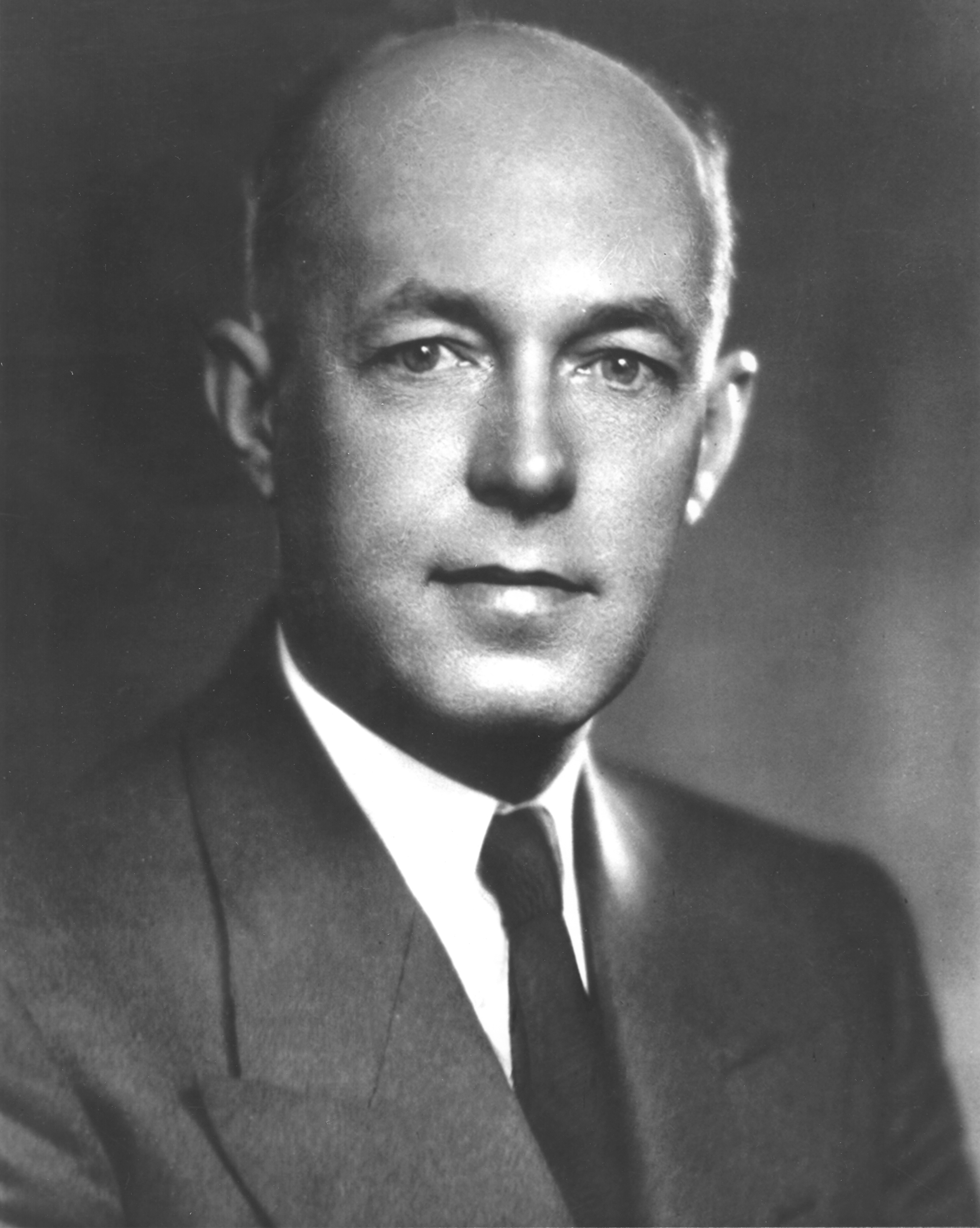
After Secretary of State Henry Stimson eliminated the organisation, its employees received three months’ severance. They had been paid from confidential funds and lacked civil-service status and rehire rights. The bureau closed on 31 October 1929. Yardley entered the Depression with highly specialised knowledge and a need for income.
He began putting that knowledge into print. Articles in the Saturday Evening Post preceded the book, which became a bestseller. Smithsonian’s historical account says the Japanese government bought more than a hundred copies and circulated them to embassies and legations to encourage stronger codes. A commercial success for the author had become an urgent security lesson for the people he had watched.
Yardley defended publication as a warning about the weakness of American communications. Former colleagues were appalled by the exposure of cryptanalytic methods. The argument persisted beyond the bureau’s closure because its core lesson remained usable: a government could end an intelligence office while its former chief still knew precisely how that office had obtained its secrets.
Some of Yardley’s broader claims remain unverifiable because bureau records have disappeared.
Sources & further reading
- The Black ChamberNational Security Agency
- The Spy Who Exposed the Secrets of the Black Chamber, One of America's First Code-Breaking OrganizationsSmithsonian Magazine
SPY REGISTER MEMBERSHIP
Stay on the case.
Follow this story through the case files, read The Brief and keep your own saved reports.
$6.67 a month equivalent · $80 billed annually. Or $8 monthly.
Get the member edition →Renews automatically. Cancel renewal online.