
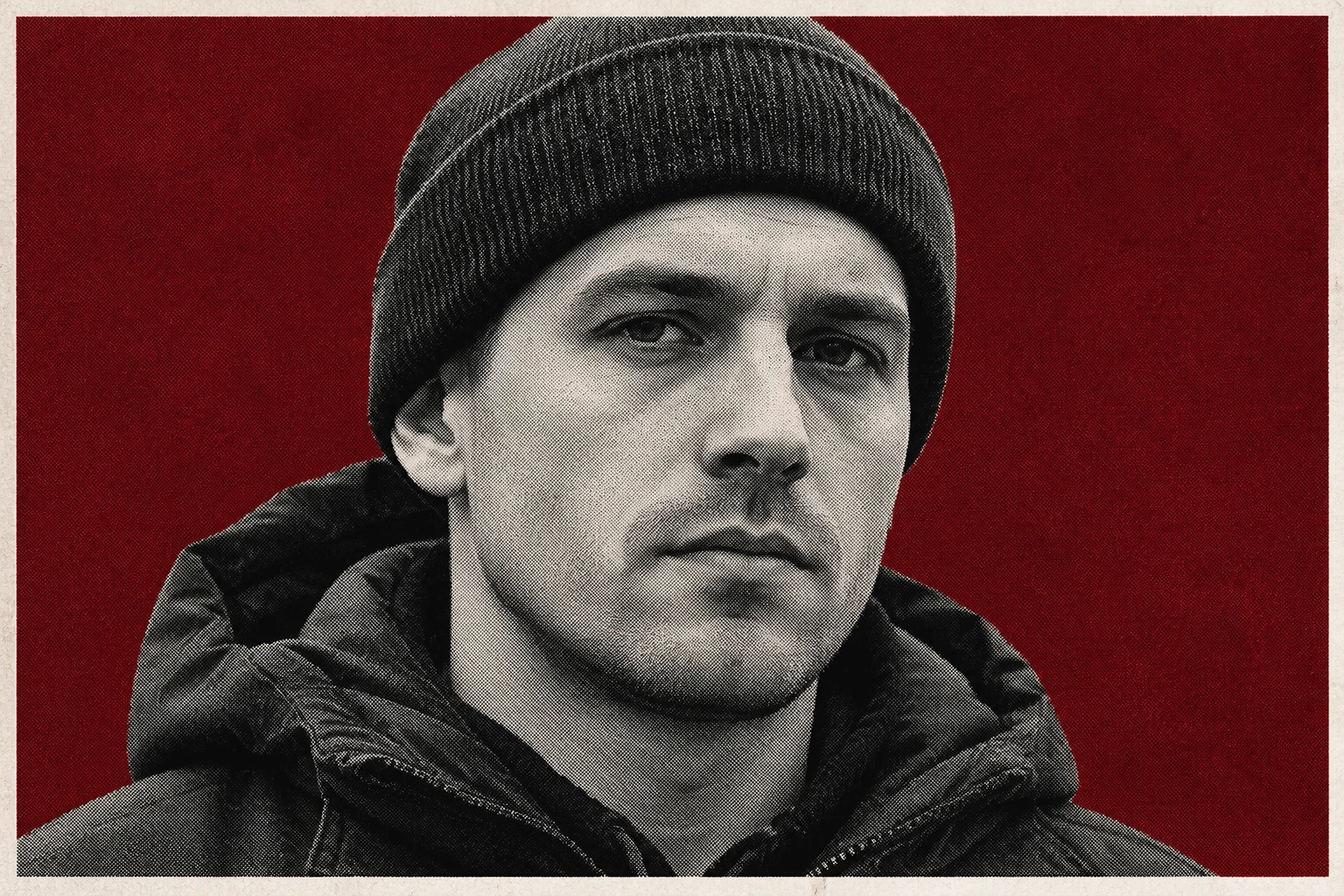
FSB / Spy games
He Went to Meet a Woman. Russia Gave Him 15 Years.
An online romance took David Adrian Kercso to the Black Sea. Detention records exposed a problem with the FSB’s arrest film: he was already a prisoner.
SPY REGISTER / REPORTING & ANALYSIS
Intelligence reporting from United Kingdom.
An online romance took David Adrian Kercso to the Black Sea. Detention records exposed a problem with the FSB’s arrest film: he was already a prisoner.
Britain’s Security Service says CGTRI-backed projects strengthened Chinese intelligence work; Beijing rejects the allegation as fabricated.
The London force reviewed its use of the forensic tools as US prosecutors accused company leaders of concealing Russian control.
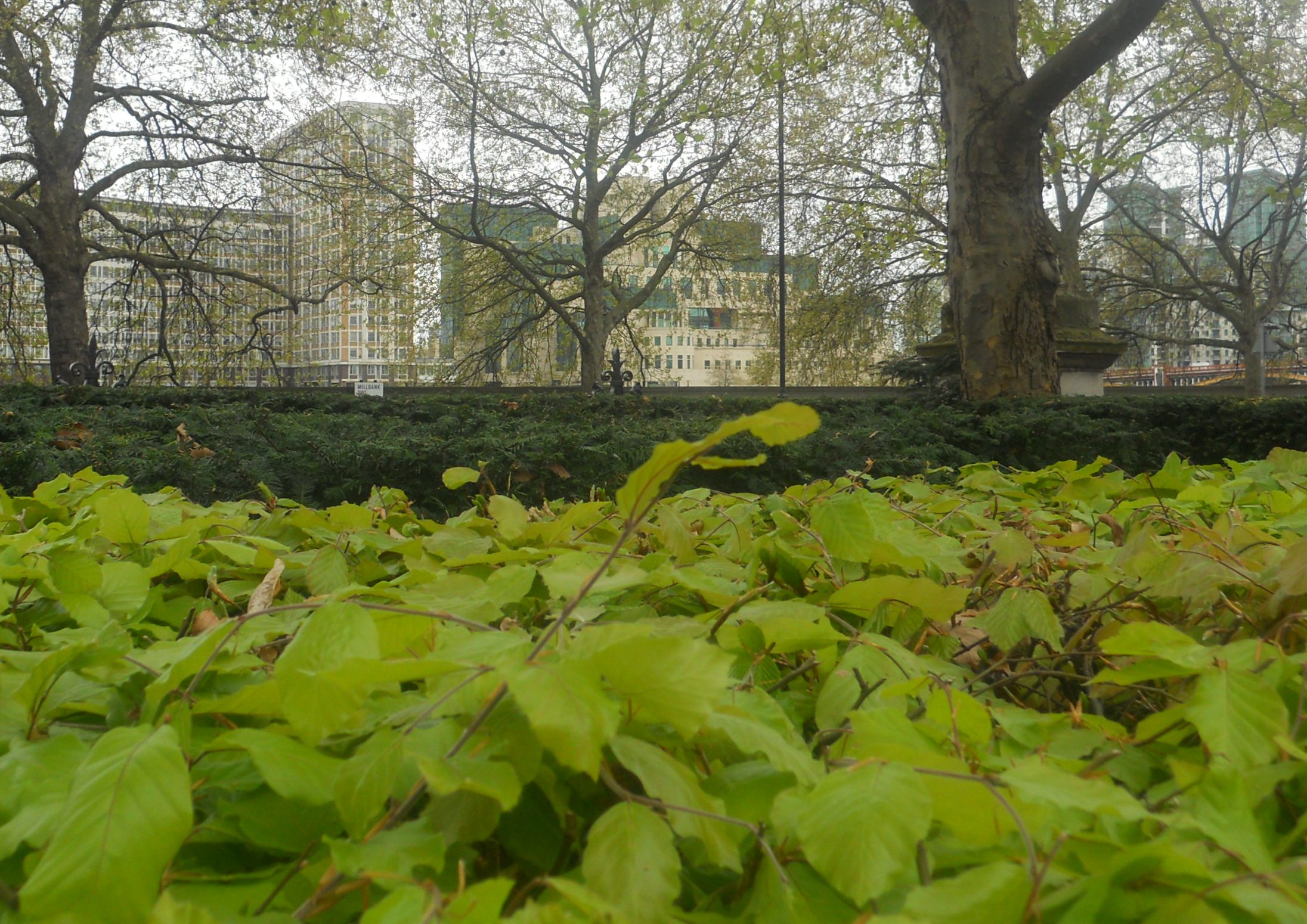
Blaise Metreweli’s first doctrine for MI6 pairs agent-running with technical fluency, a more operational posture and calculated risks below the threshold of war.
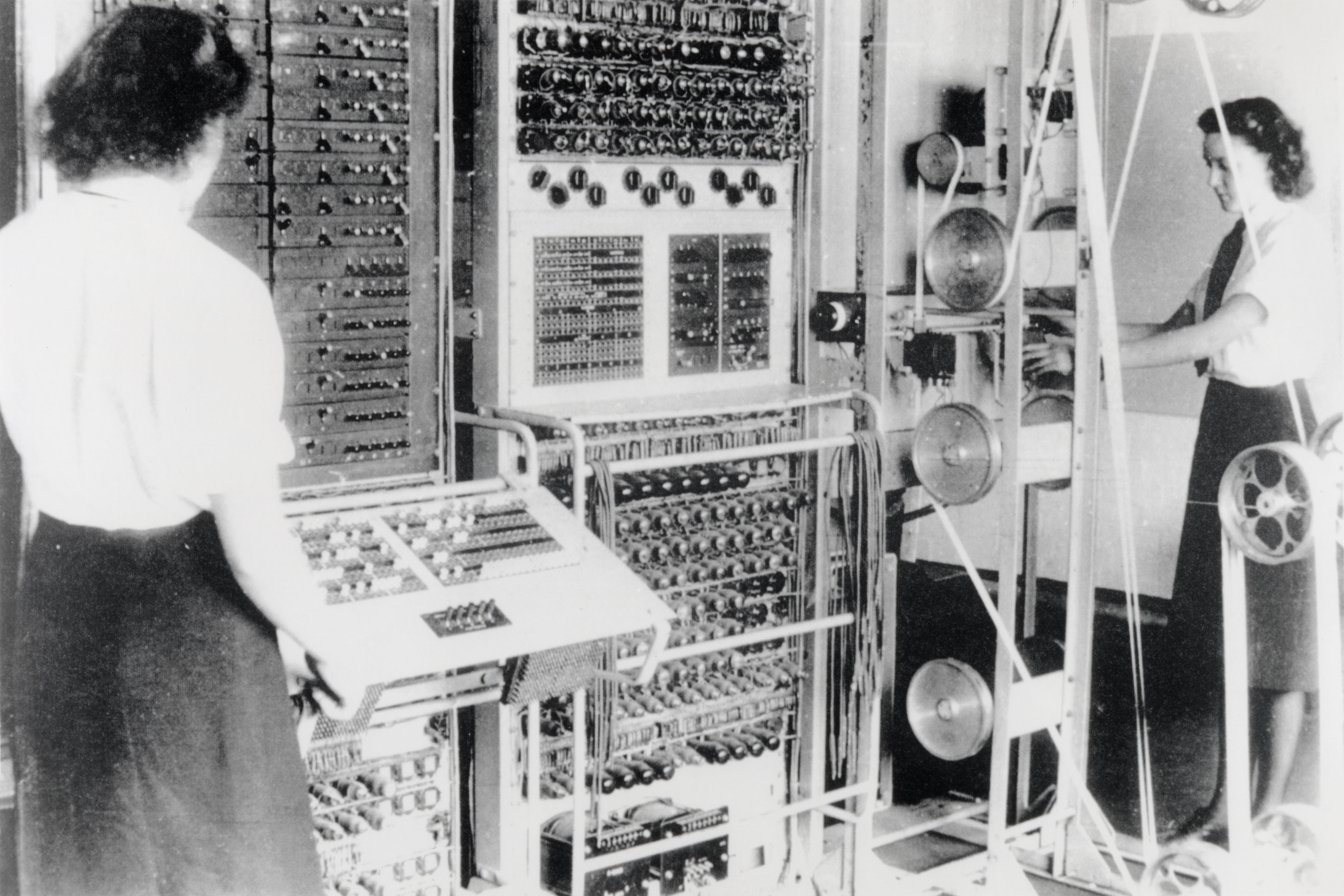
The electronic breakthrough at Bletchley Park outlived the war inside GCHQ—and remained hidden from the people writing computing history.
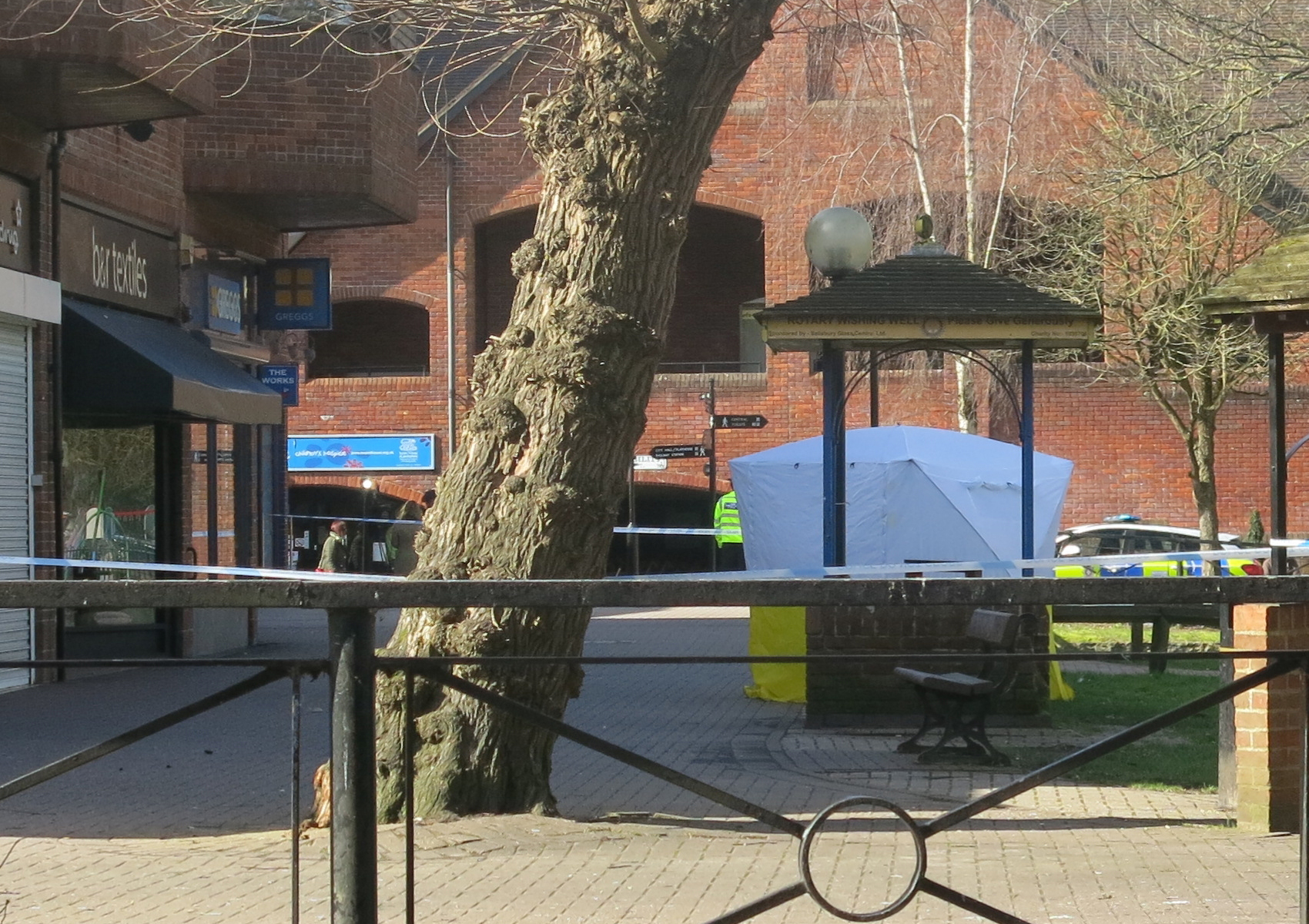
A statutory inquiry traced the poison from a state-authorised assassination attempt to a counterfeit perfume bottle found months later. Russia denies any role, and three charged suspects remain wanted.
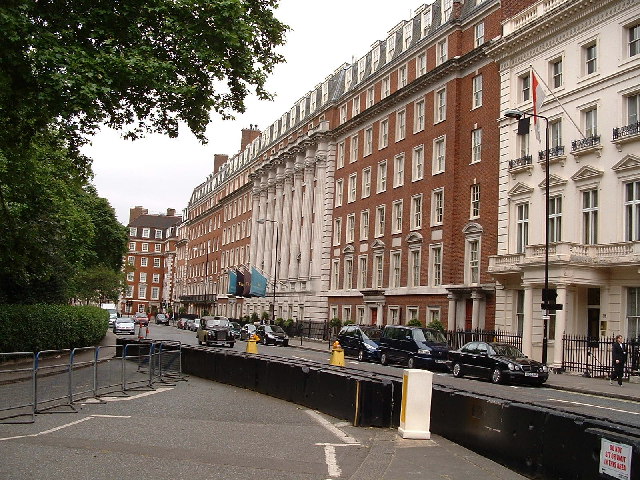
A radioactive trail led investigators from a Mayfair hotel to two Russian visitors, an earlier failed attempt and an operation the UK inquiry said was probably approved at the top.
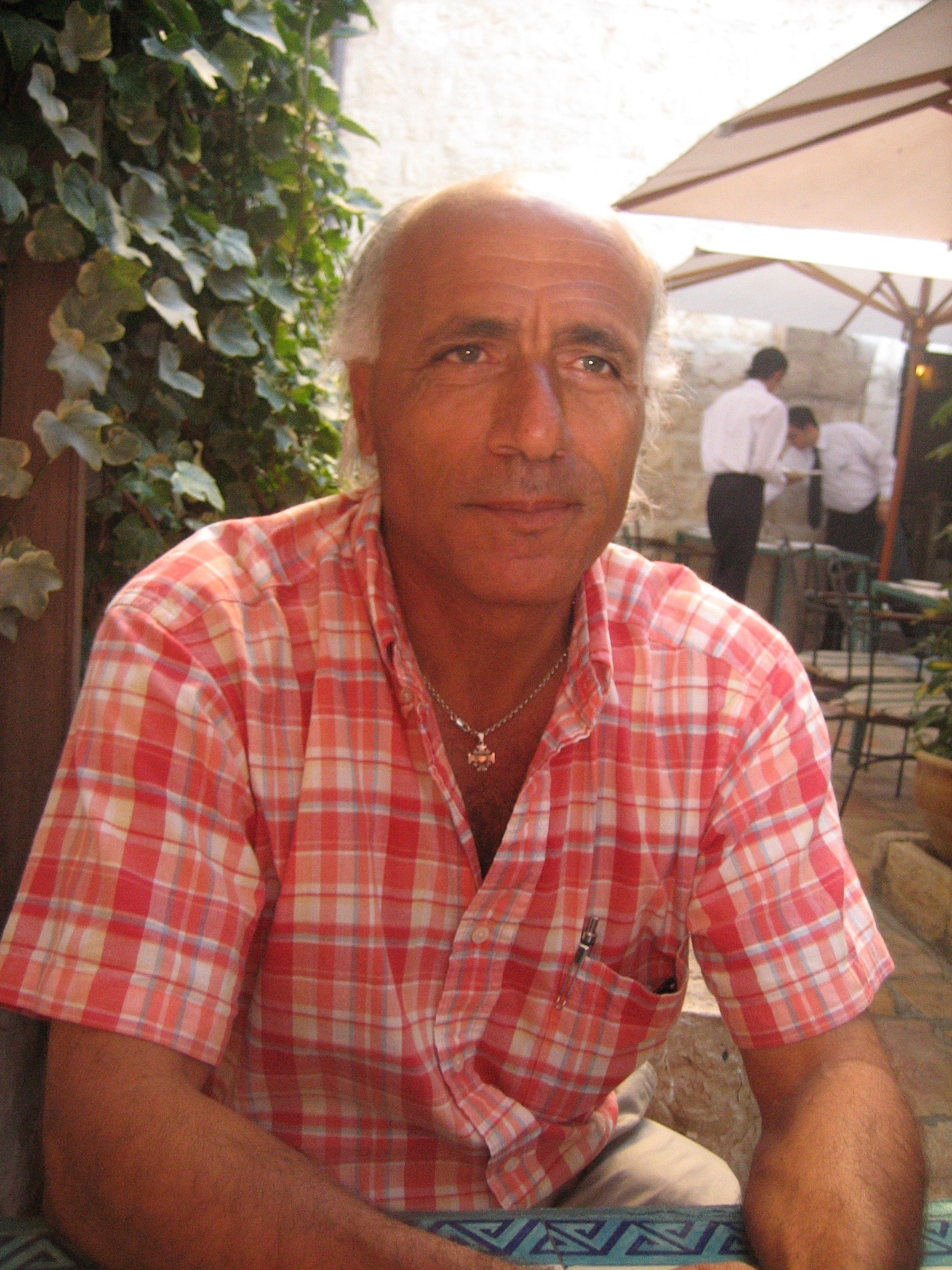
Mordechai Vanunu exposed Dimona, disappeared into Israeli custody and found a way to tell reporters where he said the operation had taken him.

Ellis, Cocks and Williamson reached public-key ideas inside British intelligence. Independent researchers carried the field into public use before GCHQ disclosed its work.
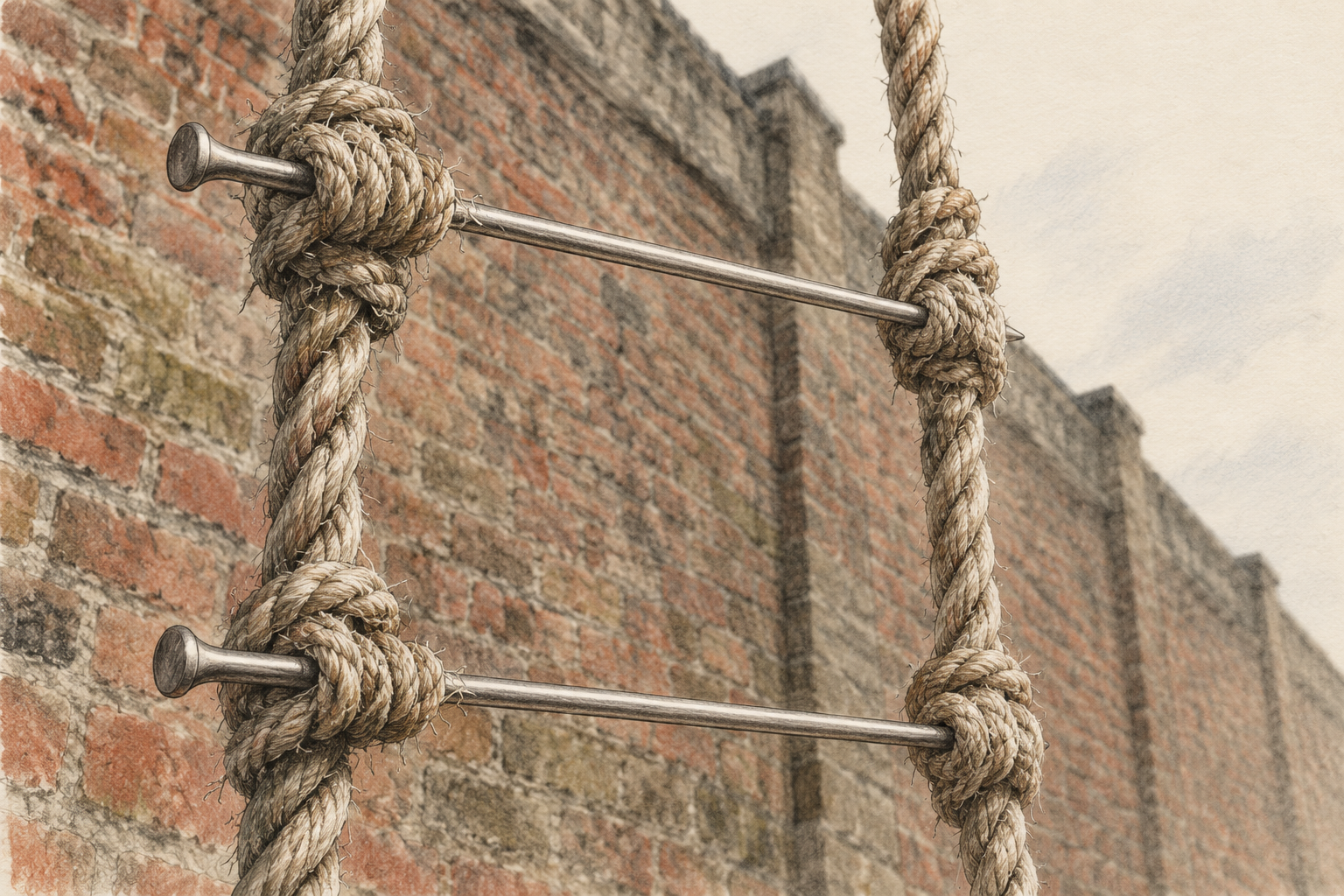
George Blake’s helpers got him over the wall, hid him and drove him toward East Germany beneath the seats of a family campervan.
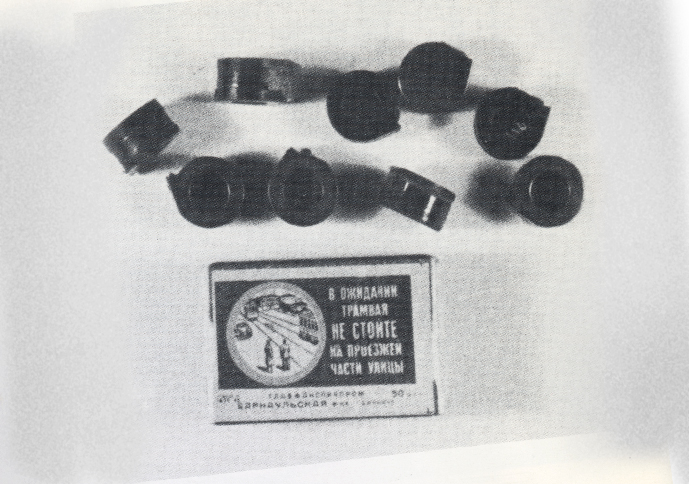
The Soviet colonel’s intelligence depended on an inside contact who collected his photographs, replenished supplies and heard his fears.
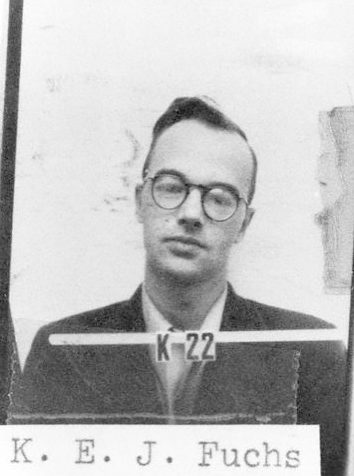
Klaus Fuchs helped build the bomb and passed its secrets to Moscow. Catching him required turning intelligence into a prosecution.
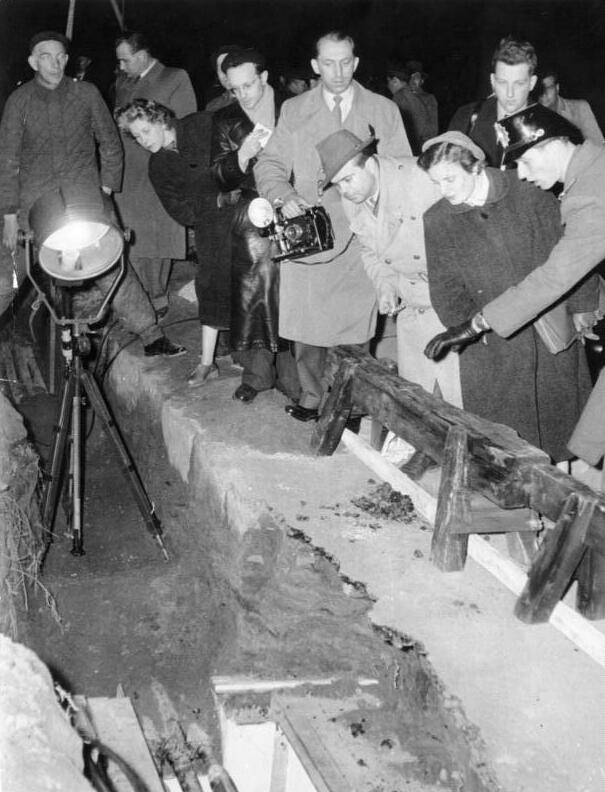
George Blake betrayed the joint CIA–MI6 operation during planning. The KGB protected him while Western analysts collected almost a year of Soviet traffic.
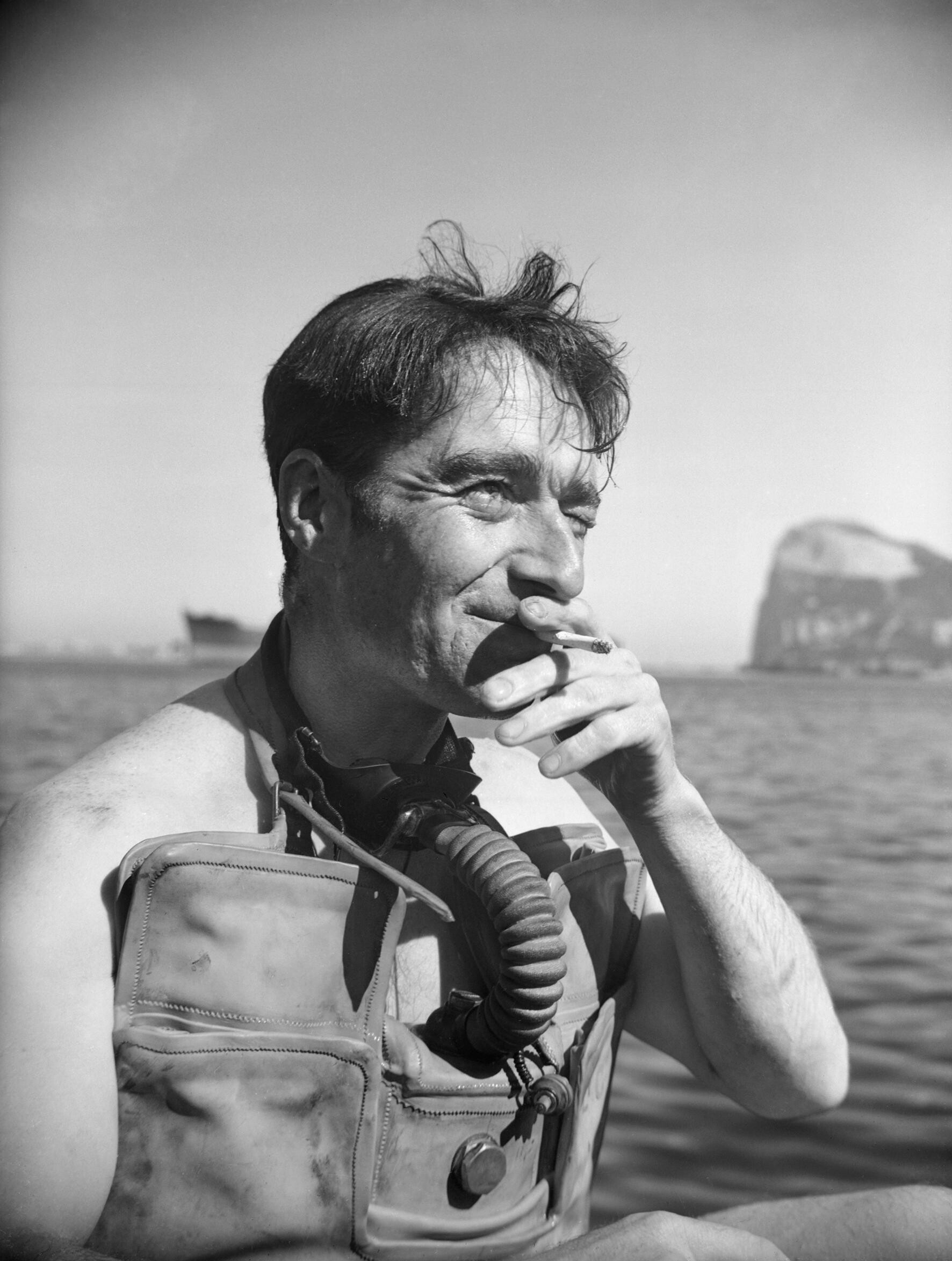
Lionel Crabb vanished during a dive against Soviet warships in Portsmouth. The failed operation reached ministers more than two weeks later.
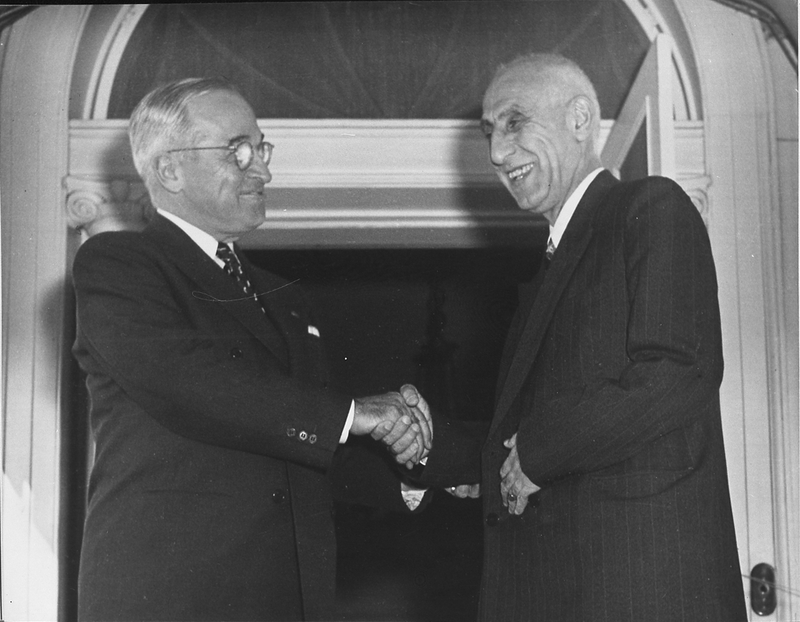
A surviving internal account sets out the target, the replacement and the political machinery behind Mosaddeq’s fall.
The SOE courier maintained a cover story, protected colleagues and survived more than two years in enemy custody.
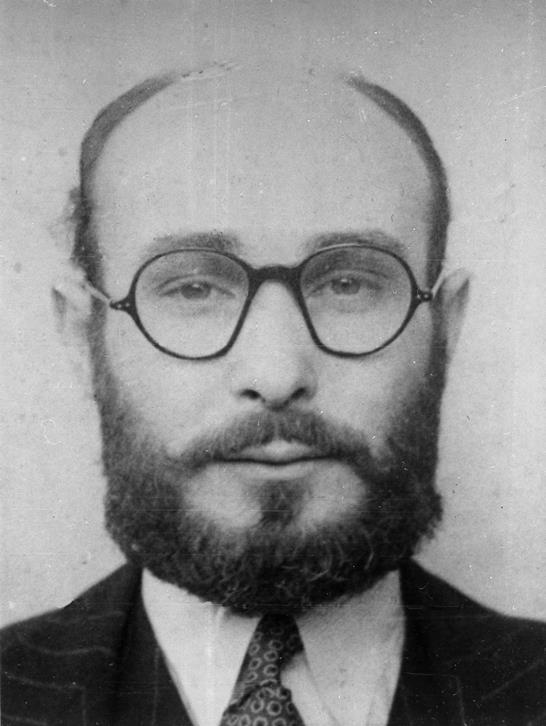
MI5’s double agent built fictitious sources, carefully timed truths and a persuasive story about D-Day. His German handlers rewarded him for it.
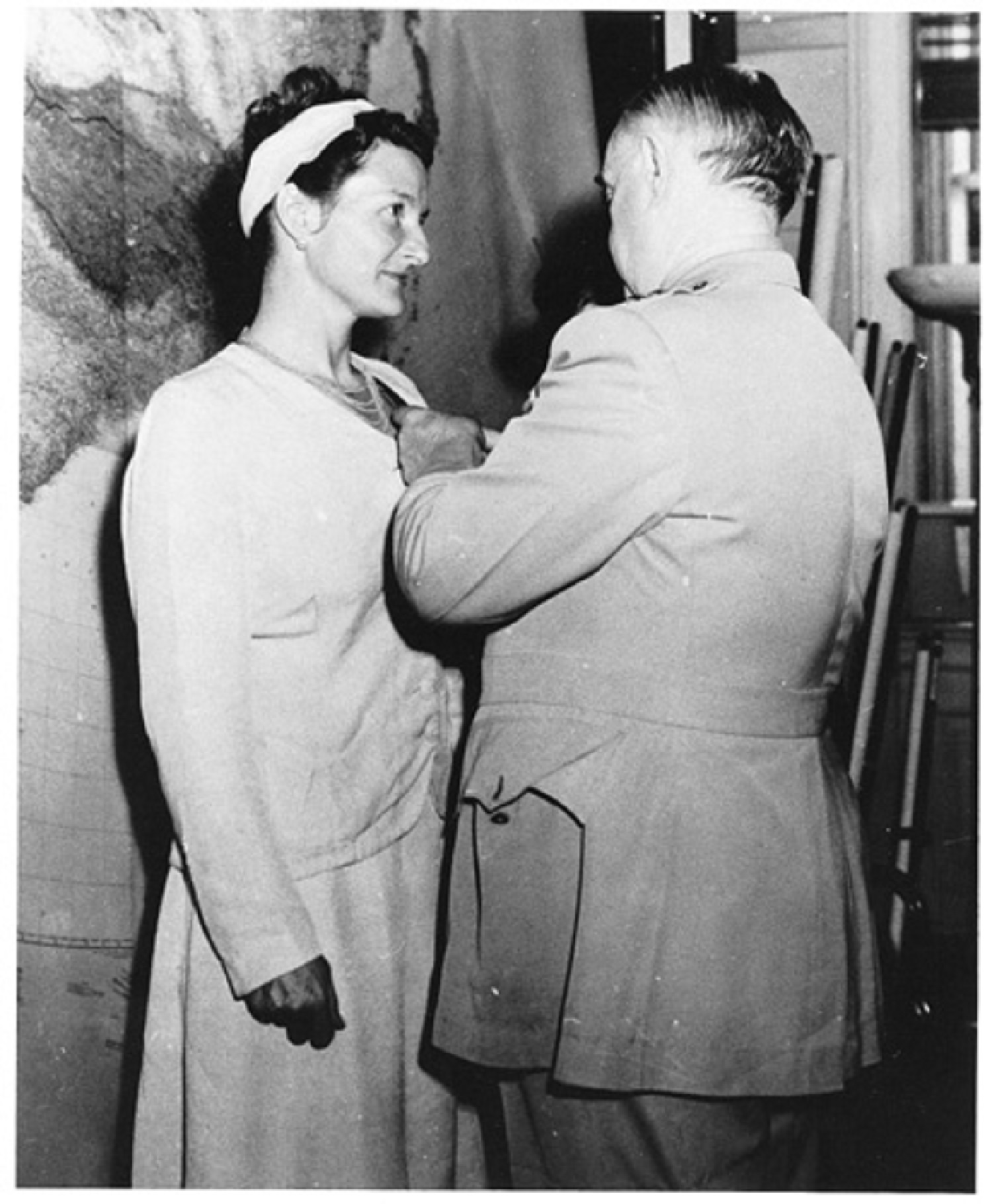
Rejected by the Foreign Service after losing a leg, Hall built resistance networks in France and returned for an OSS mission before D-Day.
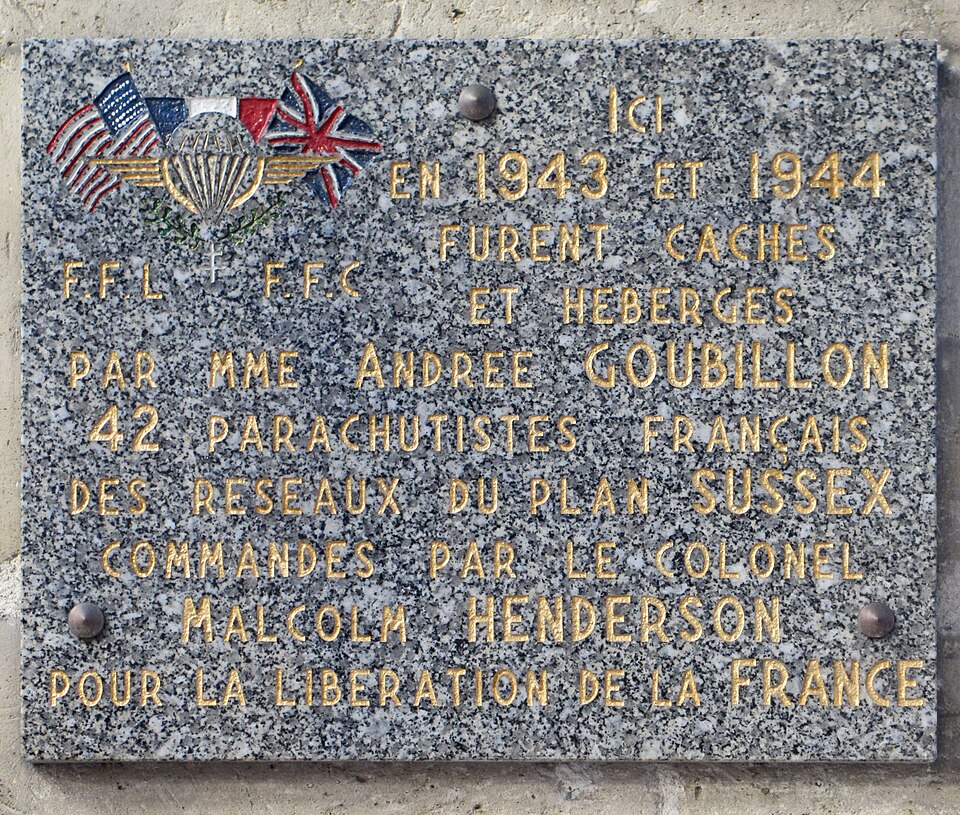
The French Pathfinder agent prepared refuges, contacts and drop sites for the Allied Sussex intelligence teams in 1944.

SIGSALY turned encrypted speech into a vast operation of turntables, couriers and technicians.
British intelligence planted a fictitious Royal Marine officer off Spain in 1943, using personal papers and a briefcase to direct German attention away from Sicily.