
FBI / Spy games · History
A fake Russian handler drew out the secrets of an American interrogation chief
George Trofimoff’s filmed meeting with an undercover FBI agent became central evidence in the espionage trial that ended his years of freedom.
SPY REGISTER / THE ARCHIVE
Operations, double lives, stolen secrets and the people behind them.
George Trofimoff’s filmed meeting with an undercover FBI agent became central evidence in the espionage trial that ended his years of freedom.
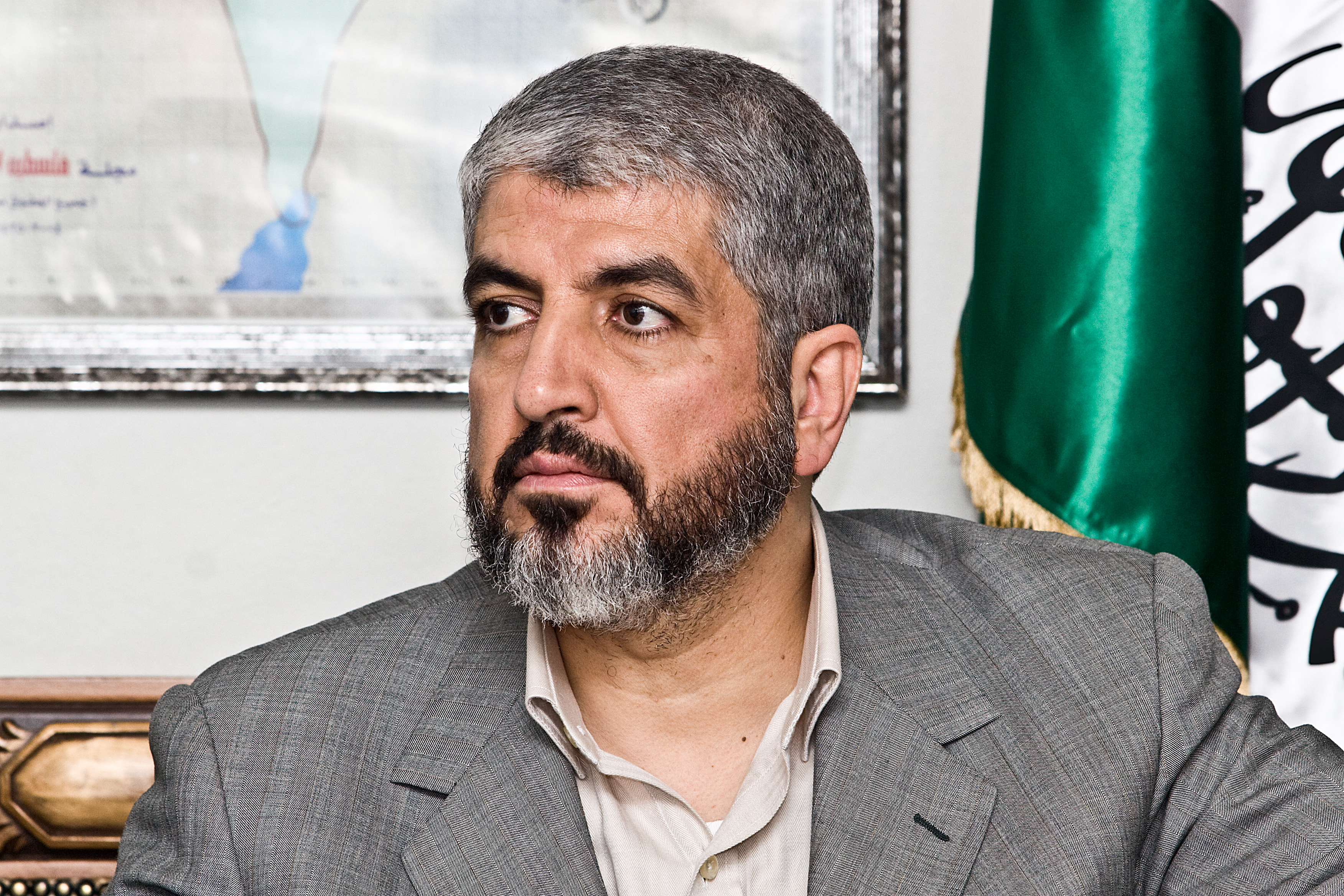
The failed attempt to kill Khaled Meshaal in Amman put Israeli agents in custody, enraged Jordan’s king and brought Canada into the crisis.
An undercover FBI officer used a chess clue to gain Robert Lipka’s trust decades after his Soviet spying. The old case ended in a guilty plea.
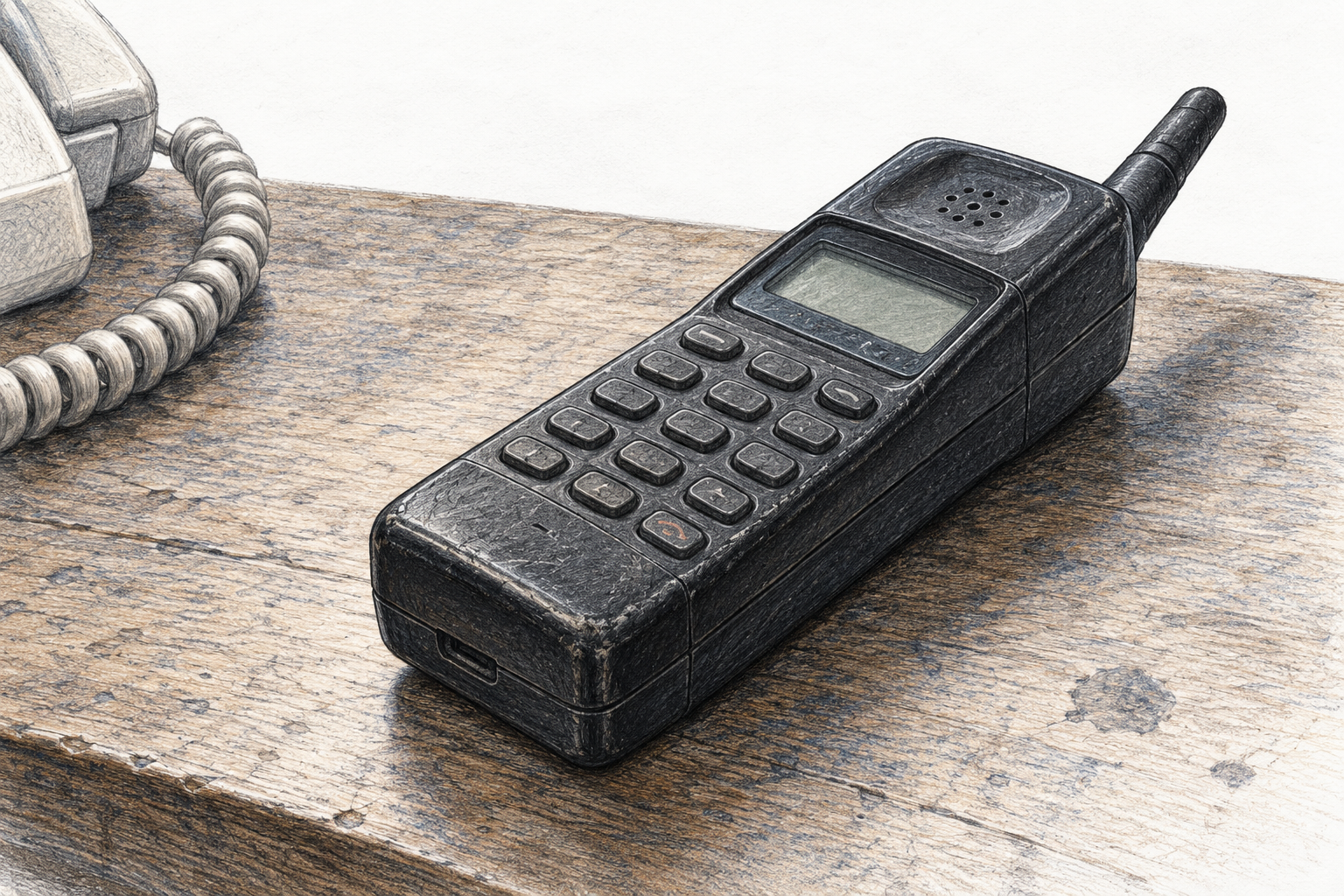
Yahya Ayyash had eluded Israeli forces for months. In January 1996, a call said to be from his father reached him through a booby-trapped mobile.
Aldrich Ames sold secrets to Moscow for nine years. An inspector general review later traced the missed opportunities that delayed his arrest.
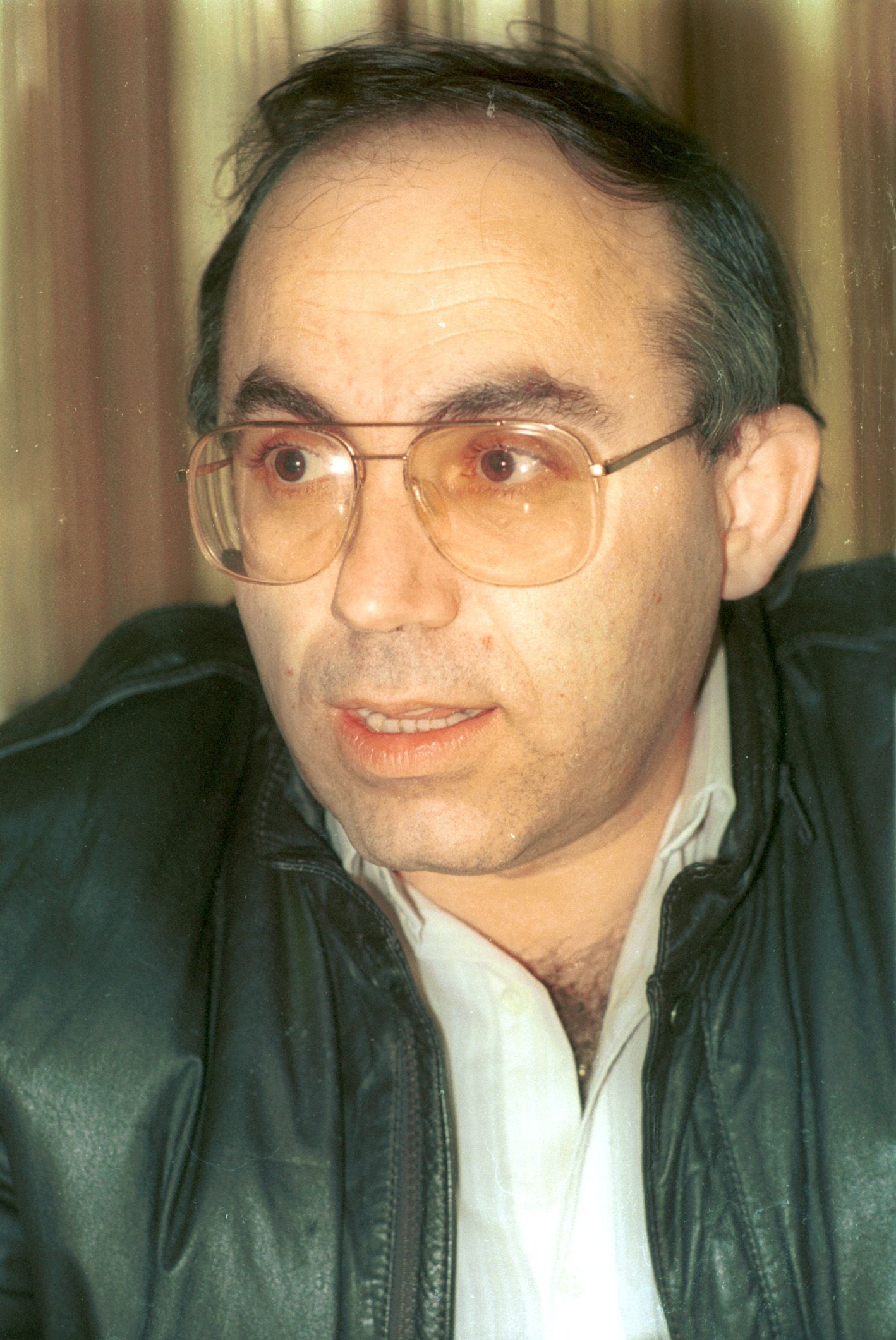
The 1993 Ginosar judgment examined the Bus 300 cover-up and the Nafso interrogation and perjury affair.
Operation Solomon moved more than 14,000 Ethiopian Jews in 36 hours. The frantic airlift rested on secret preparations, diplomacy and a network already helping families survive.
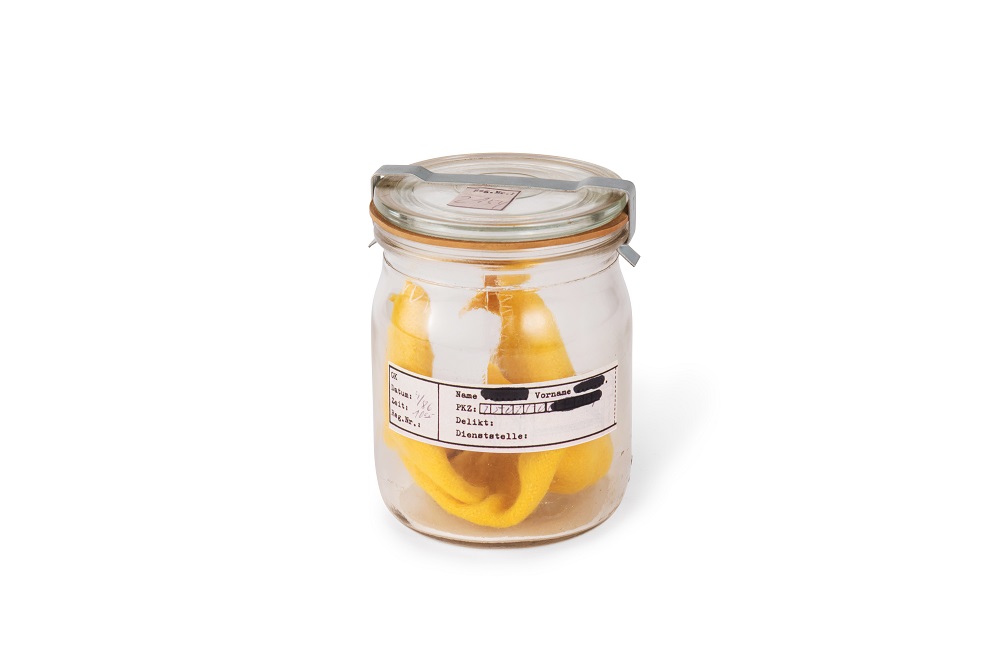
East Germany’s secret police built an odour archive to help dogs identify dissidents. A summons for questioning could supply the sample.
Two DGSE agents received ten-year sentences after the fatal bombing. A later agreement sent them to Hao; arbitration found France breached its obligations there.
An ASIS training exercise burst into Melbourne’s Sheraton in 1983. The fallout stripped Australia’s foreign intelligence service of covert-operation powers and weapons.
The Farewell source exposed a collection network—and gave the Americans a route into its requirements.
Christopher Boyce escaped while serving a 40-year espionage sentence. Nineteen months later, marshals found him outside a small restaurant in Washington state.

Elizebeth Friedman read the smugglers’ secrets, trained their pursuers and later helped expose Nazi agents across South America.

Declassified 1980 memoranda reveal the aircraft, intermediaries and bargaining behind an expanding covert arms pipeline.
The CIA’s Argo cover brought Hollywood paperwork to a Canadian rescue effort. Six diplomats had spent almost three months hidden in Canadian homes.
MKULTRA’s surviving paperwork exposes a vast research network, unwitting subjects and a chemist worried about what his testimony might cost him.
Israel's 1976 hostage rescue was planned under a deadline and with limited information. Nairobi's role emerges in later reporting.
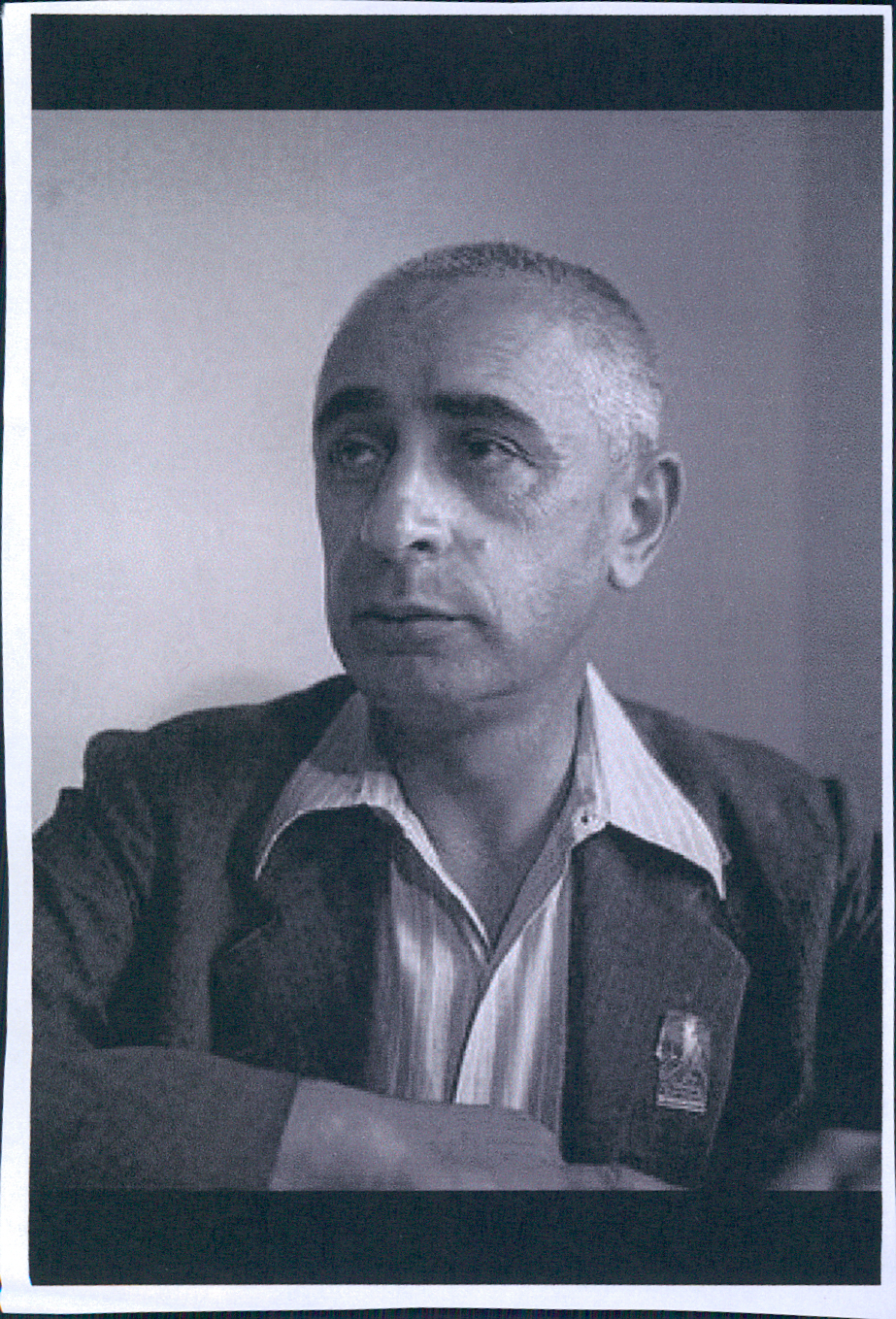
Twenty-one years after the Egyptian bomb plot, America’s secretary of state brought it up in the Oval Office as a reason to distrust a new arrangement.
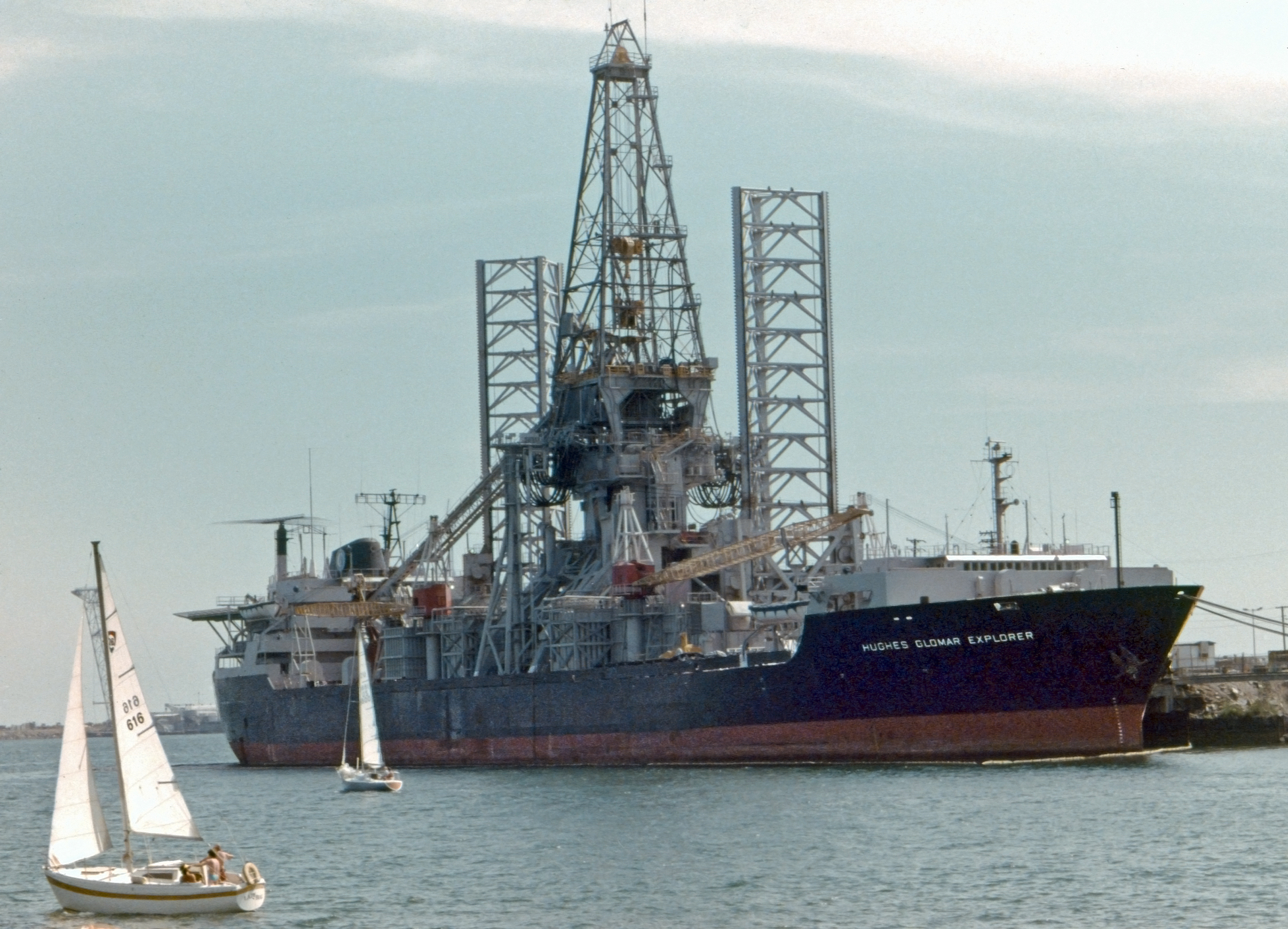
Project AZORIAN put a giant claw on the Pacific seabed. Mechanical failure and a stolen document left the CIA’s recovery mission unfinished.
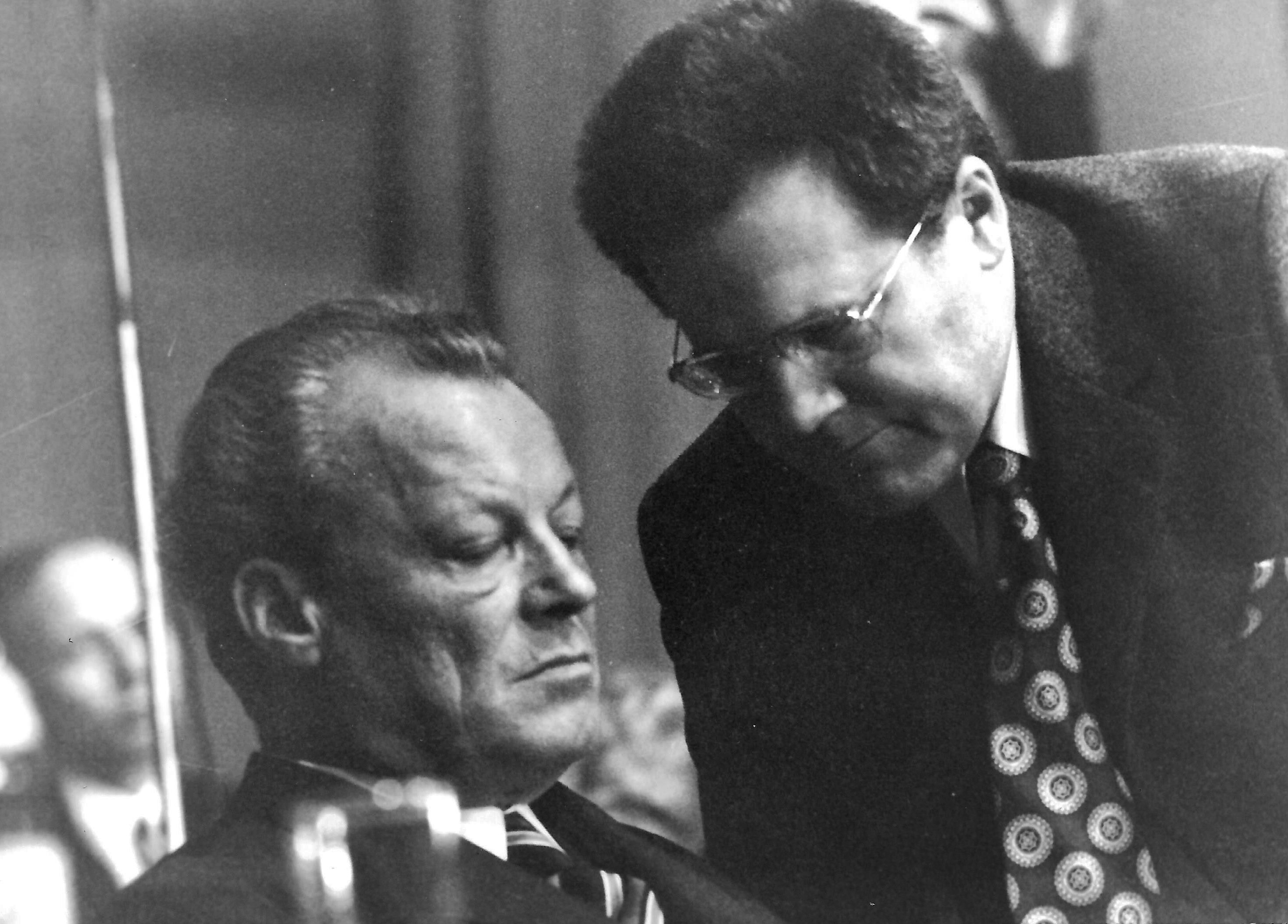
Günter Guillaume spent years climbing the Social Democrats’ ranks. His exposure in the chancellor’s personal staff helped end Brandt’s government.
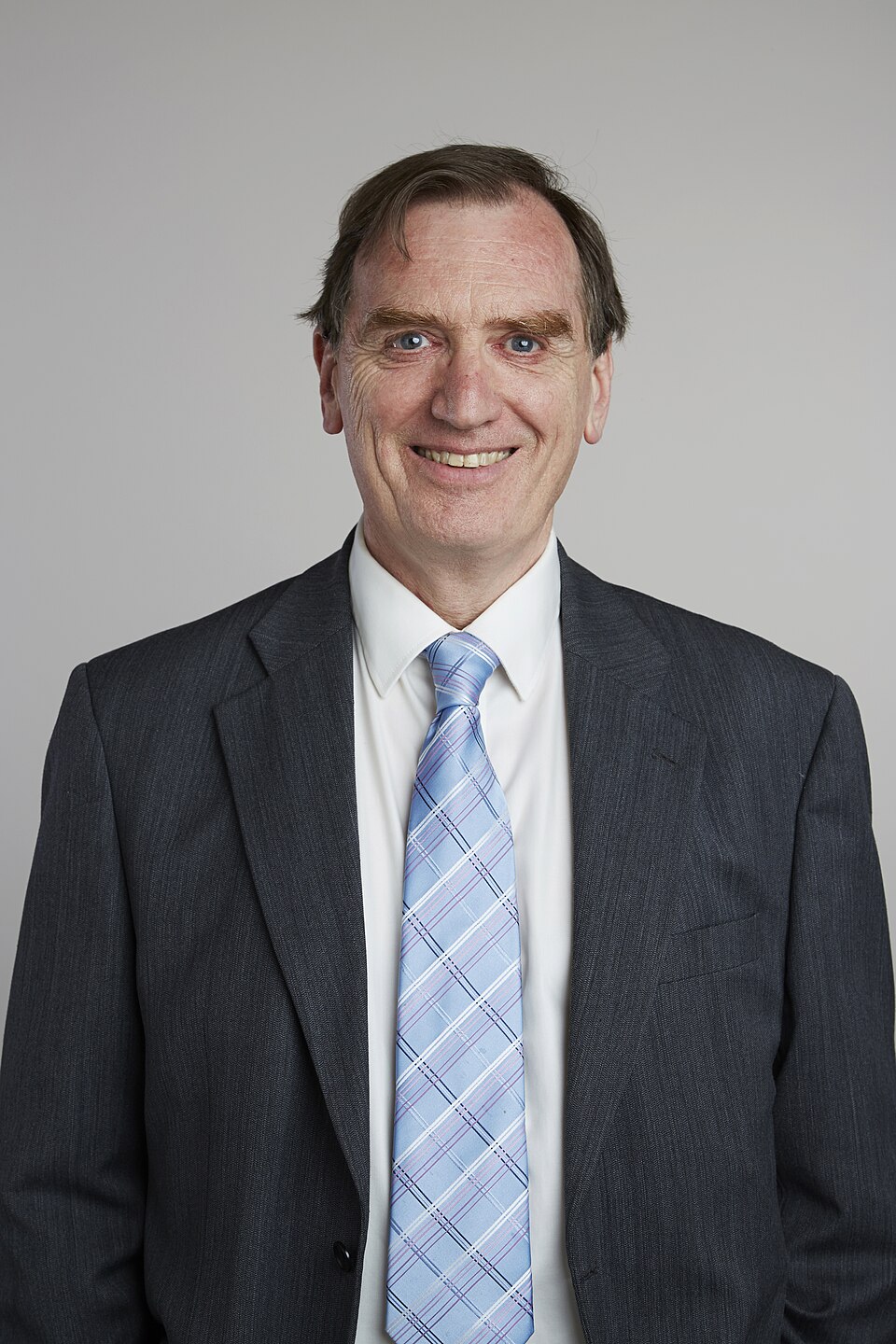
Ellis, Cocks and Williamson reached public-key ideas inside British intelligence. Independent researchers carried the field into public use before GCHQ disclosed its work.
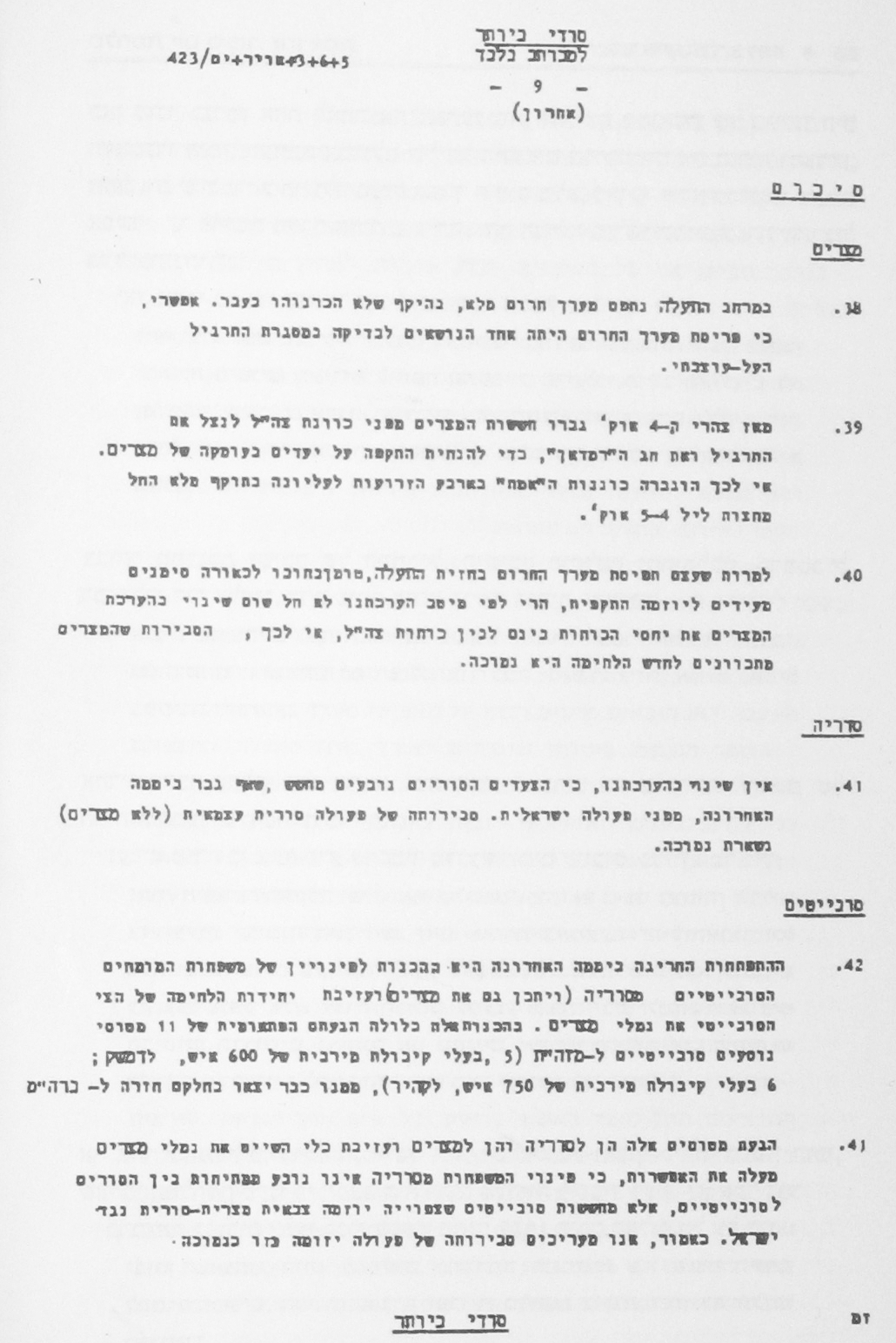
AMAN’s October 5, 1973 assessment described emergency deployments and Soviet evacuations, then assigned a low probability to an Egyptian attack. The invasion began the following afternoon.
Norway’s inquiry traced the murder, the criminal convictions and the diplomatic limits of the investigation.
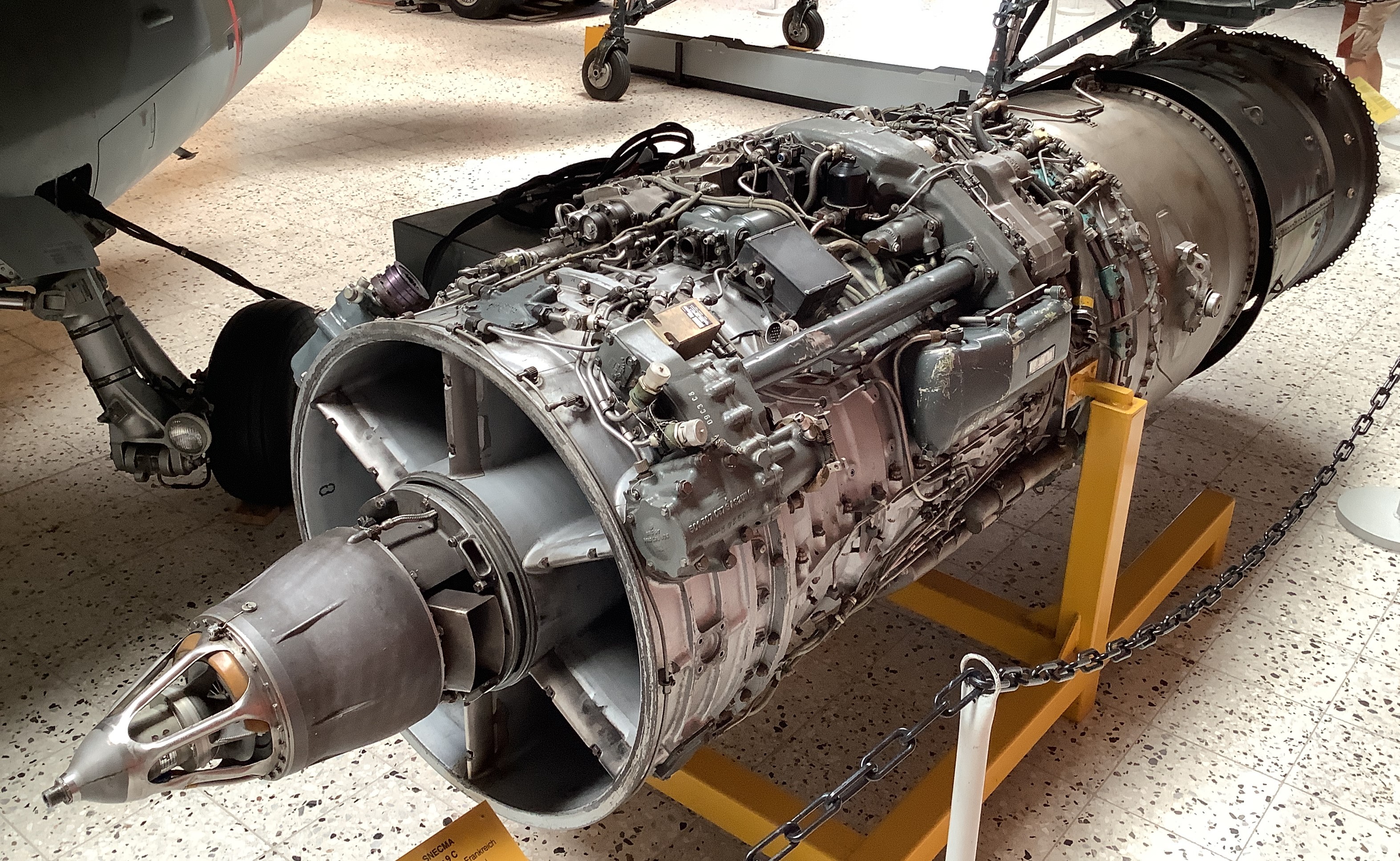
A Swiss engineer substituted fake bundles for Mirage engine documents headed to an incinerator. A 1971 judgment laid out the trade.