From the archive · A retrospective
Israel’s court barred a pardoned Shin Bet official from a ministry’s top job
The 1993 Ginosar judgment examined the Bus 300 cover-up and the Nafso interrogation and perjury affair.
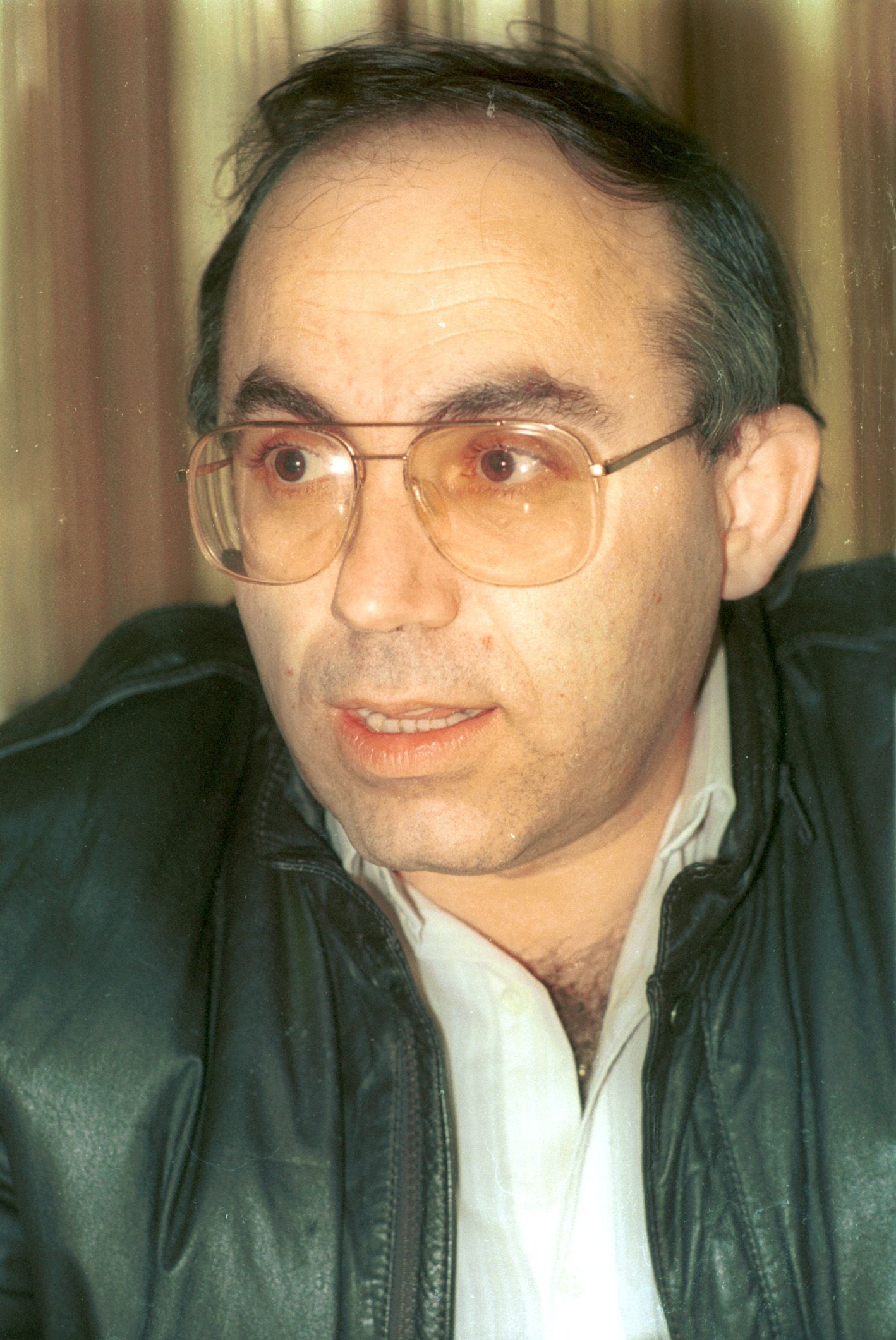
Former Shin Bet official Yosef Ginosar held a presidential pardon over the Bus 300 affair. In March 1993, Israel’s Supreme Court disqualified his appointment as director-general of the Ministry of Building and Housing after considering both that cover-up and his role in the separate Nafso affair.
Two Palestinian hijackers captured alive after the 1984 bus seizure were killed by Shin Bet officers, who then tried to conceal their involvement, according to an archival Voice of America report. The killings generated consequences that outlasted the intelligence officials’ pardons and repeatedly returned their conduct to public scrutiny.
Ginosar served on the commission investigating Bus 300. The 1993 judgment found that he used the position to conceal security-service involvement. His subsequent pardon prevented an indictment.
President Chaim Herzog had granted the service’s head, Avraham Shalom, and three assistants pardons on June 25, 1986. In the explanation reproduced in the Barzilai judgment, he said continuing controversy threatened the security service and that defending its members could require disclosure of highly secret information. The decision brought the protection of intelligence operations into direct conflict with demands for investigation.
The Supreme Court upheld presidential authority to pardon before conviction on August 6, 1986. Justices Meir Shamgar and Miriam Ben-Porat formed the majority. Aharon Barak dissented, arguing that the constitutional scheme reserved clemency until the police, prosecutors and courts had completed their work. The division concerned the reach of presidential power at the point where criminal accountability was being contested.
Political scientist Dana Blander’s later analysis for the Israel Democracy Institute identifies admissions of guilt by the pardon recipients and Shalom’s agreement to resign as features of the exceptional decision. Her account also describes the killing of the captured Palestinian hijackers. These circumstances explain why Bus 300 occupies a distinctive place in discussions of clemency and responsibility inside a security service.
The court also examined the Nafso affair, in which interrogators under Ginosar’s leadership used improper methods and perjured themselves at trial. It held that an appointing authority must consider reasonably established past criminal conduct despite an absence of conviction or a presidential pardon. Assessing both affairs, it found Ginosar unsuitable for the senior post. The ruling concerned an administrative appointment.
The presidency’s published guidance today describes the ordinary policy as considering clemency after legal proceedings have concluded. It also lists Bus 300 among the relevant judgments. The combination preserves the constitutional precedent while identifying a different routine practice. Nearly four decades after the pardons, the official explanation of presidential power still points readers back to the intelligence scandal. It says decisions draw on necessary information and opinions, including those of the relevant government minister.
Two primary judgments are read in an academic English translation. The feature distinguishes pardons from findings of innocence and the 1993 appointment ruling from a criminal conviction. It does not allege that Ginosar personally killed the captives. The appointment ruling assessed both Bus 300 and Nafso; the headline must not imply Bus 300 alone caused it.
Sources & further reading
- Israeli Supreme Court: Barzilai v Government, English translationCardozo Law / translated Israeli judgments
- Israeli Supreme Court: Eisenberg v Minister of Building and Housing, English translationCardozo Law / translated Israeli judgments
- Dana Blander: An Unprecedented Pardon RequestIsrael Democracy Institute
- Israeli Presidency: official clemency policyPresident of Israel
- VOA archival report on the Bus 300 aftermathVoice of America
SPY REGISTER MEMBERSHIP
Stay on the case.
Follow this story through the case files, read The Brief and keep your own saved reports.
$6.67 a month equivalent · $80 billed annually. Or $8 monthly.
Get the member edition →Renews automatically. Cancel renewal online.