From the archive · A retrospective
The Stasi Kept Its Enemies’ Smells in Glass Jars
East Germany’s secret police built an odour archive to help dogs identify dissidents. A summons for questioning could supply the sample.
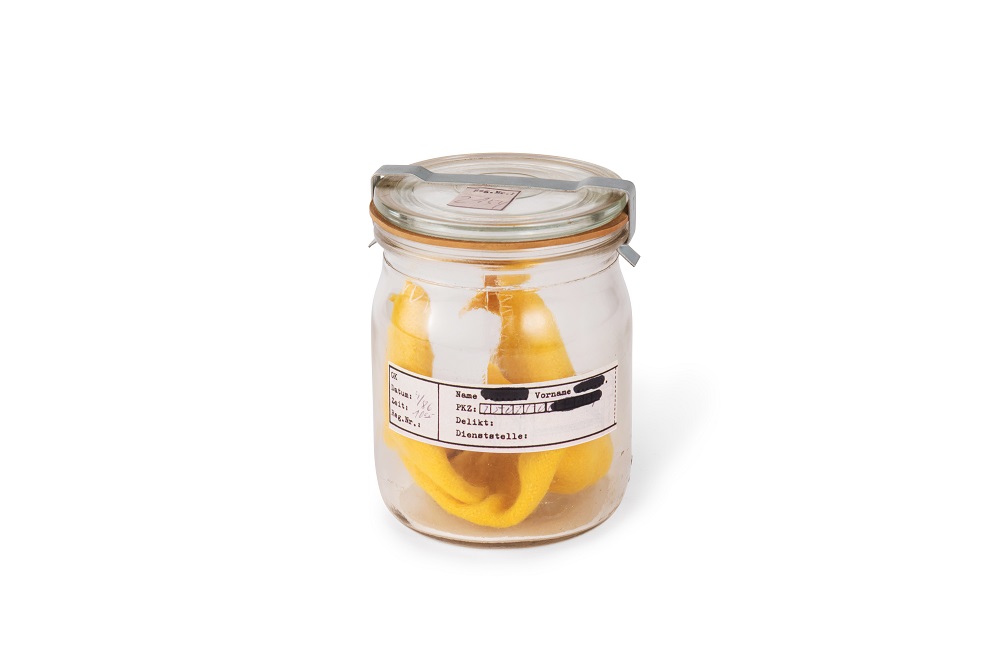
A citizen summoned for questioning could leave the Stasi with a fresh sample of something impossible to conceal: their smell. The German Spy Museum describes interrogation chairs fitted with sterile cloths that absorbed a person’s odour. The material could then be stored in an airtight jar, ready to be presented to a trained dog.
The archive turned a fleeting physical trace into a state record. According to the museum, the Stasi began its collection in 1979. Main Department XX, whose responsibilities included monitoring culture, media and political opposition, collected and evaluated the samples across East Germany.
One surviving jar in the museum carries the marking GK, for Geruchskonserve. Its label records identifying information and collection details; the system also used index cards. The museum describes samples taken during secret house searches, from cars that officers entered forcibly, and from crime scenes. Even a person’s surroundings could be mined for their scent.
The International Spy Museum in Washington records thousands of airtight scent jars in Stasi offices in East Berlin. Its account describes agents wiping specially treated cloths over objects a suspect had touched. It also describes the extraordinary practice of slipping tubes into homes to collect air samples. The jar made the surveillance system portable: a person’s trace could be held elsewhere after the encounter ended.
These objects survived the regime that collected them. When demonstrators stormed the former Stasi headquarters on 15 January 1990, they found employees had already been destroying documents. The German Historical Institute’s documentary collection describes sacks of shredded records and jars containing odour samples taken from people who had been examined or arrested. Search dogs were supposed to use the samples to track their owners.
The jars document the collection method and its intended purpose. They provide no general measure of how reliably the technique identified an individual. The German Spy Museum says the samples served as an investigative tool rather than permissible courtroom evidence, including attempts to identify letter writers and makers of protest leaflets.
The museum accounts describe the apparatus and its use; they provide no systematic evidence of the technique’s accuracy.
Sources & further reading
- Odour captureGerman Spy Museum / historian interviews
- Stasi Scent JarsInternational Spy Museum
- Individual Odor Samples Preserved by the Stasi (1990s)German Historical Institute
SPY REGISTER MEMBERSHIP
Stay on the case.
Follow this story through the case files, read The Brief and keep your own saved reports.
$6.67 a month equivalent · $80 billed annually. Or $8 monthly.
Get the member edition →Renews automatically. Cancel renewal online.