From the archive · A retrospective
Kissinger’s Warning About Israel’s False-Flag Bombers
Twenty-one years after the Egyptian bomb plot, America’s secretary of state brought it up in the Oval Office as a reason to distrust a new arrangement.
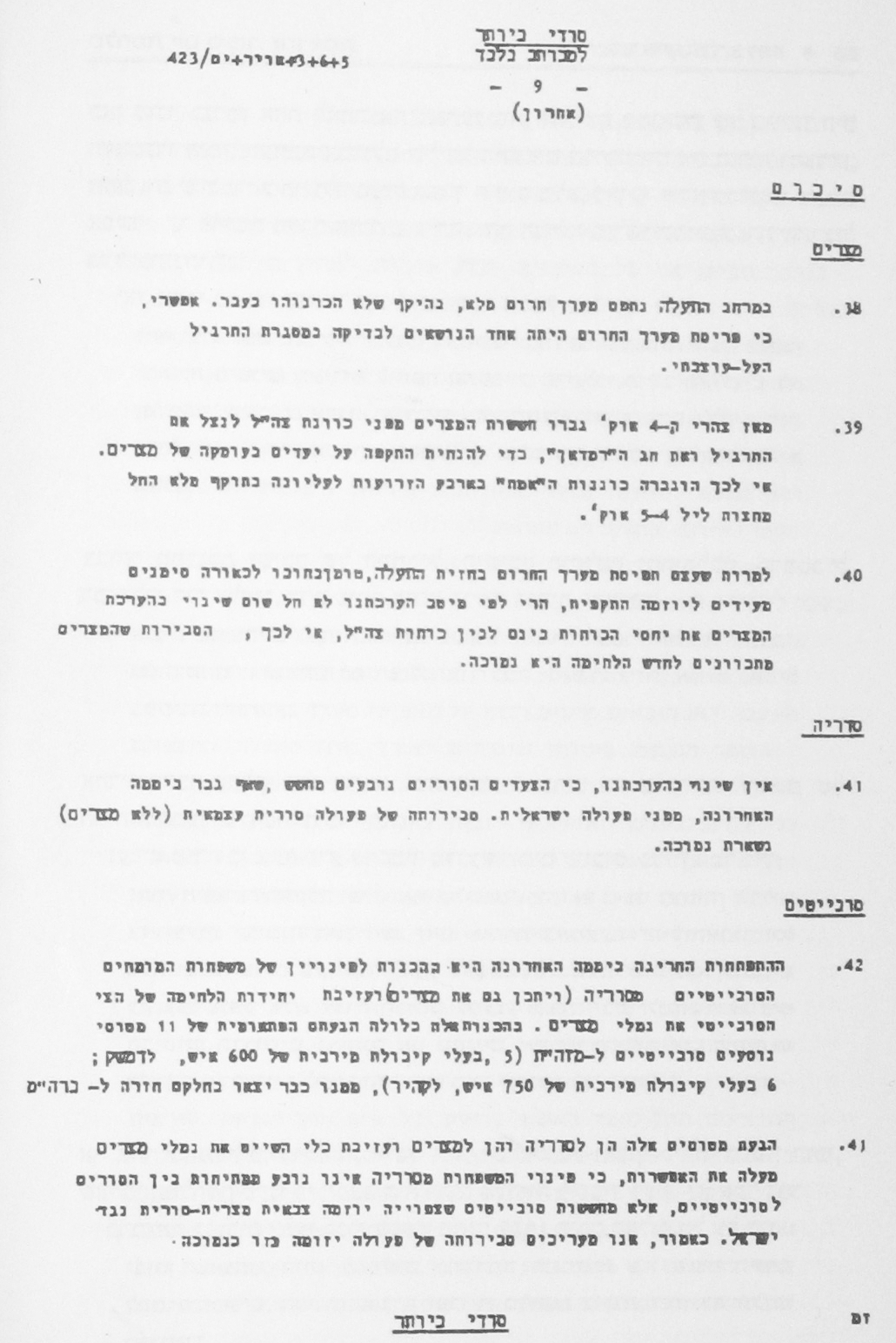
Henry Kissinger was discussing monitoring stations with President Gerald Ford when he reached for an ugly precedent. Israeli operatives had once bombed American installations in Cairo and blamed Arabs. They could do something similar to one of the stations under discussion, he warned, and blame the PLO.
The exchange took place in the Oval Office on July 24, 1975, with Brent Scowcroft present. The declassified memorandum preserves Kissinger’s suspicion in plain language. He was recalling the Lavon affair, the failed Israeli operation in Egypt in 1954. His warning concerned what he feared might happen; it supplies no evidence of a new bombing plot.
The original operation had a precise diplomatic purpose. Egypt was improving relations with Britain and the United States. Israeli military intelligence recruited Egyptian Jews to attack places frequented by Westerners in Cairo and Alexandria, hoping blame would fall on local insurgents and poison that rapprochement. Washington’s published diplomatic history identifies the intended benefit: keeping the British in the Suez Canal zone.
The operation failed. The recruits were caught, two were hanged, and others went to prison. Reuters reported that the bombings themselves caused no casualties. Israel denied involvement for years while the affair became a struggle over responsibility inside its own political establishment.
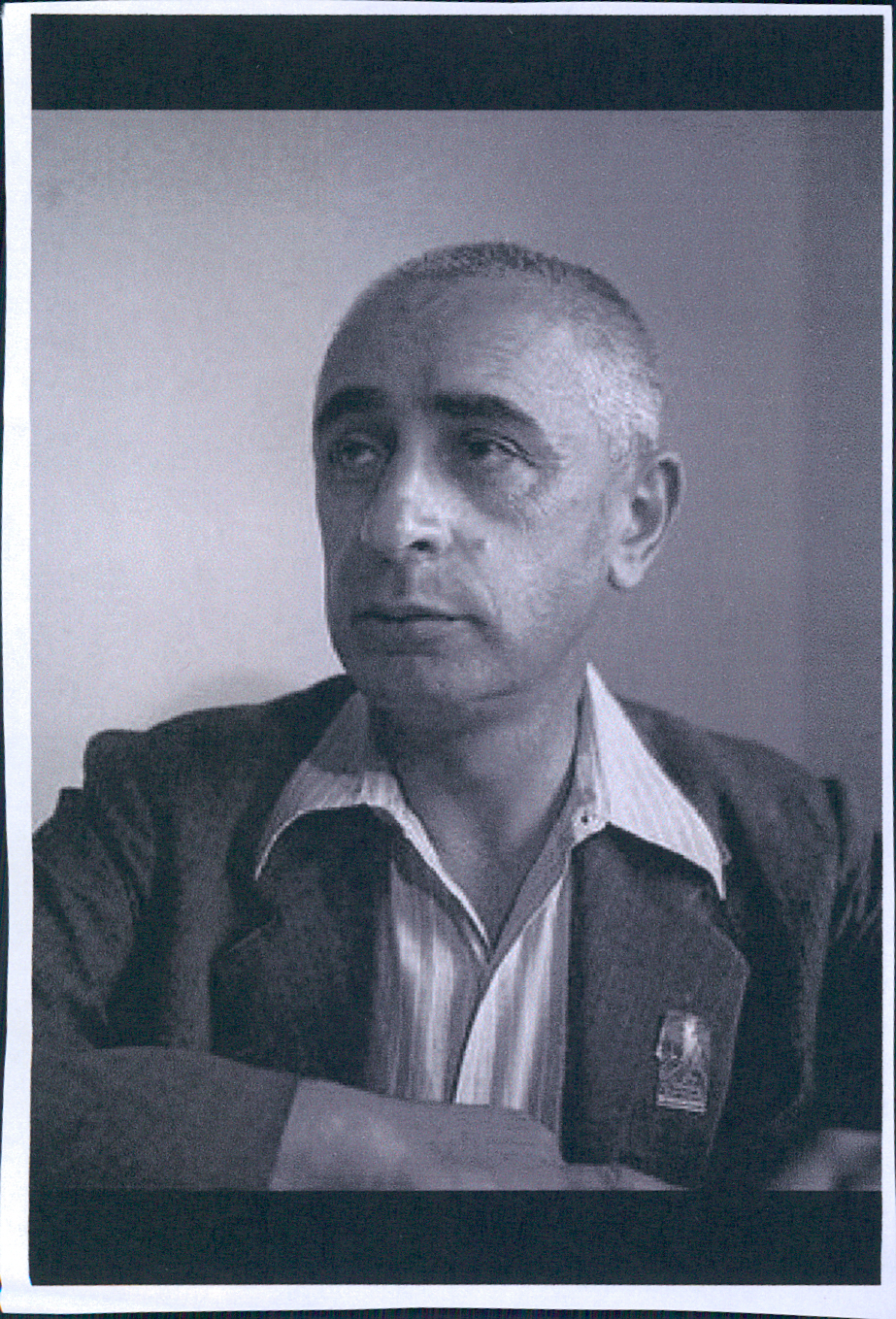
Pinhas Lavon was defense minister when the network was exposed. Who had actually given the order became a central question in the 1961 election, according to the Israel Democracy Institute. Parliament, the courts, the military, the civil service and the press were pulled into the dispute. The institute traces the continuing crisis through Ben-Gurion’s resignation and Mapai’s split in 1965.
These were military-intelligence recruits, a distinction Reuters expressly drew from Mossad. Former Mossad deputy David Kimche called the affair a rogue operation in its 2005 account. The bitter dispute over authorization complicates any claim that every part of the Israeli government approved the same scheme. The operation and the later battle over who ordered it belong in the account together.
By March 2005, the surviving operatives were finally being thanked in public. President Moshe Katsav presented certificates of appreciation to three survivors at a Jerusalem ceremony honoring the network. Marcelle Ninio welcomed the recovery of their honor. The state had moved from denying the connection to celebrating the people who had served it.
Kissinger’s conversation exposes a different inheritance. Whatever judgments Israelis reached about the recruits, the operation had furnished an American secretary of state with a concrete reason for suspicion. More than two decades after the bombs, he could still invoke them while weighing how much trust to place in Israel’s conduct. The classified record preserves the damage inside the relationship the operation was supposed to manipulate.
Kissinger’s concern is his private assessment, not evidence of a new plot. Authorization of the 1954 operation was contested.
Sources & further reading
- Memorandum of conversation: Ford, Kissinger and Scowcroft, July 24, 1975Office of the Historian
- Israel honors 9 Egyptian spiesYnetnews
- The 1961 Israeli election and the Lavon affairIsrael Democracy Institute
SPY REGISTER MEMBERSHIP
Stay on the case.
Follow this story through the case files, read The Brief and keep your own saved reports.
$6.67 a month equivalent · $80 billed annually. Or $8 monthly.
Get the member edition →Renews automatically. Cancel renewal online.