From the archive · A retrospective
The Radio Chatter That Exposed Moscow’s Secret Air War
Russian voices betrayed the Soviet pilots flying from Egypt. Israeli intelligence then helped prepare a fighter ambush over the Suez front.
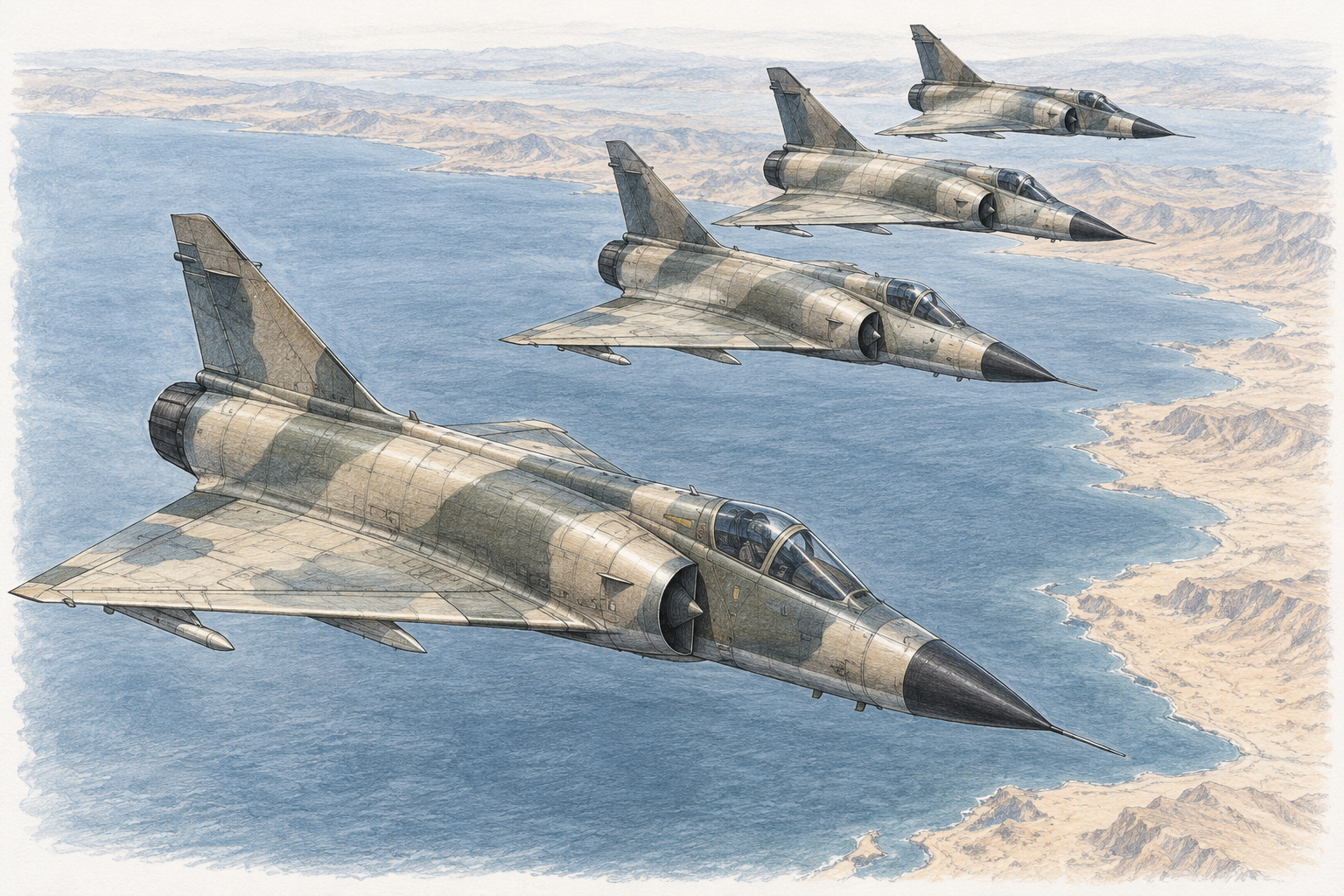
Four Israeli Mirage fighters flew so close together that they appeared on radar as a single reconnaissance aircraft. Soviet pilots rose to intercept them. The formation was the bait in a carefully prepared ambush, and Israeli intelligence had been listening to the men who would fly into it.
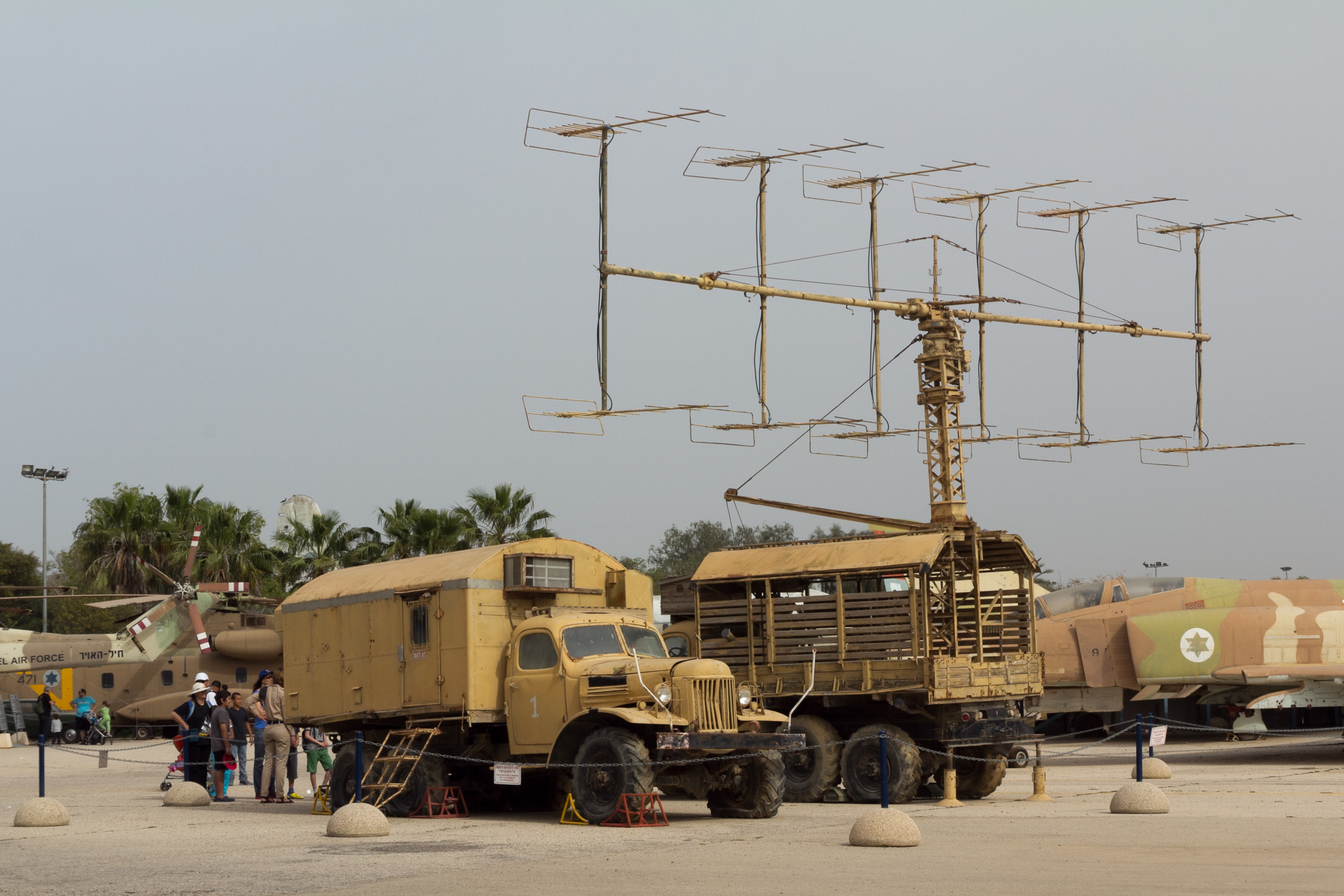
The confrontation grew out of Moscow’s attempt to protect Egypt’s skies during the War of Attrition. Soviet personnel and aircraft operated under Egyptian cover. Israel Hayom’s reconstruction describes Russian-language surveillance specialists picking up a conversation between two supposedly Egyptian MiG pilots. Their language exposed the deployment. The listening unit worked alongside an Arabic-language counterpart.
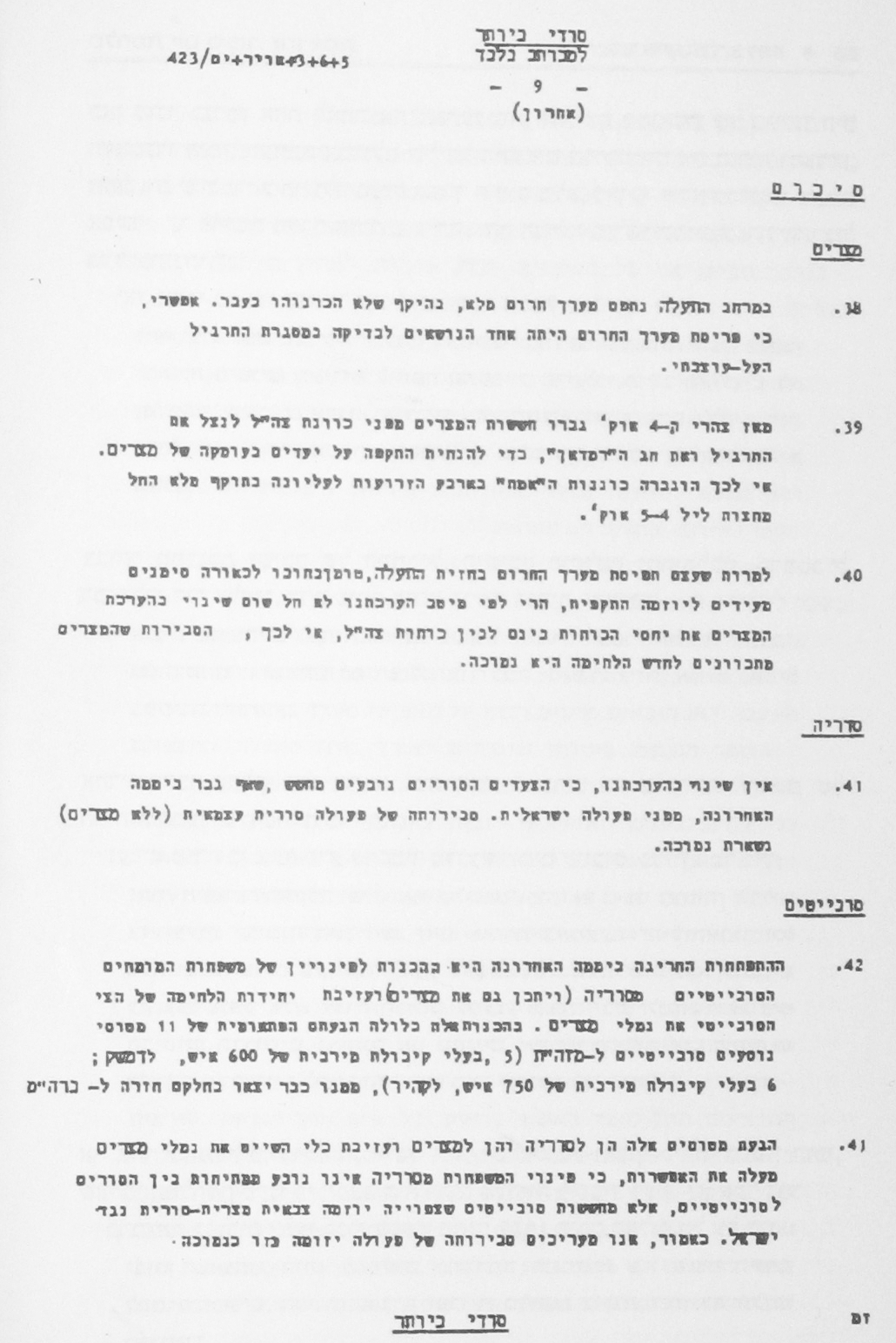
Ynet’s later account identifies Unit 848 among the intelligence elements monitoring Egyptian and Soviet communications. That knowledge accompanied a plan built around the enemy’s expected response. The conspicuous Mirage formation would attract the interceptors; additional Israeli aircraft waited low over Sinai or stood ready on the ground.
The battle came on July 30, 1970. Israel Hayom, drawing on interviews with pilots who took part, described an Israeli force of four Phantoms and twelve Mirages facing twenty-four Soviet MiG-21s. During the fighting, an ejected Soviet pilot remained under his parachute long enough for Israeli aircrews to use it as a reference point when reporting their positions.
Five Soviet aircraft were ultimately destroyed. No Israeli aircraft was lost, though a Mirage returned damaged. Ynet notes that one Soviet loss was established later, after its pilot had initially escaped the immediate engagement. The operation combined a visible aerial decoy with aircraft held out of sight and intelligence gathered from the other side’s communications.
The Soviet presence had become public before the dogfight. On April 30, JTA reported Israel’s formal announcement that Russian pilots were flying air-defense missions from bases under their control in Egypt. The announcement also identified Soviet-manned missiles. By July, Israel’s intelligence problem had become a direct confrontation with a superpower’s pilots.
This reconstruction uses published histories and participants’ later accounts. The illustration represents the four-aircraft decoy symbolically and does not reproduce a photograph or an exact flight formation.
Sources & further reading
- When Israel fought the Soviets: the secret air war of1970Ynetnews
- When the IAF showed the Soviets who was top gunIsrael Hayom historical archive
- Israel Government Announces Officially Russian Pilots Are Flying Egyptian JetsJewish Telegraphic Agency
SPY REGISTER MEMBERSHIP
Stay on the case.
Follow this story through the case files, read The Brief and keep your own saved reports.
$6.67 a month equivalent · $80 billed annually. Or $8 monthly.
Get the member edition →Renews automatically. Cancel renewal online.