
Germany / Russia / Spy games
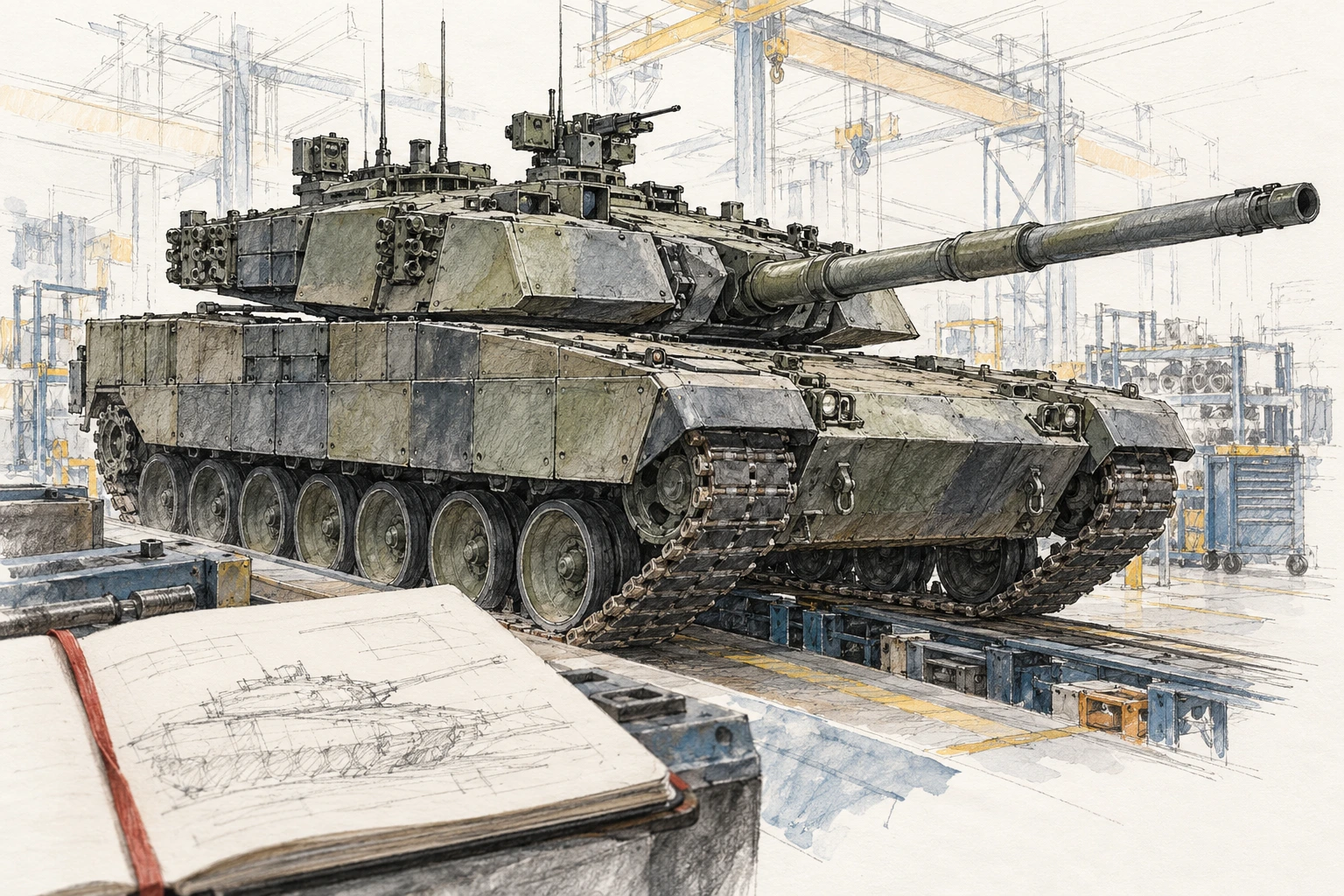
Ukrainian Accused of Hunting NATO Weapons Secrets for Russia
German prosecutors say the suspect approached arms-industry insiders. A judge has ordered him held.
SPY REGISTER / REPORTING & ANALYSIS
Intelligence reporting from Germany.
German prosecutors say the suspect approached arms-industry insiders. A judge has ordered him held.
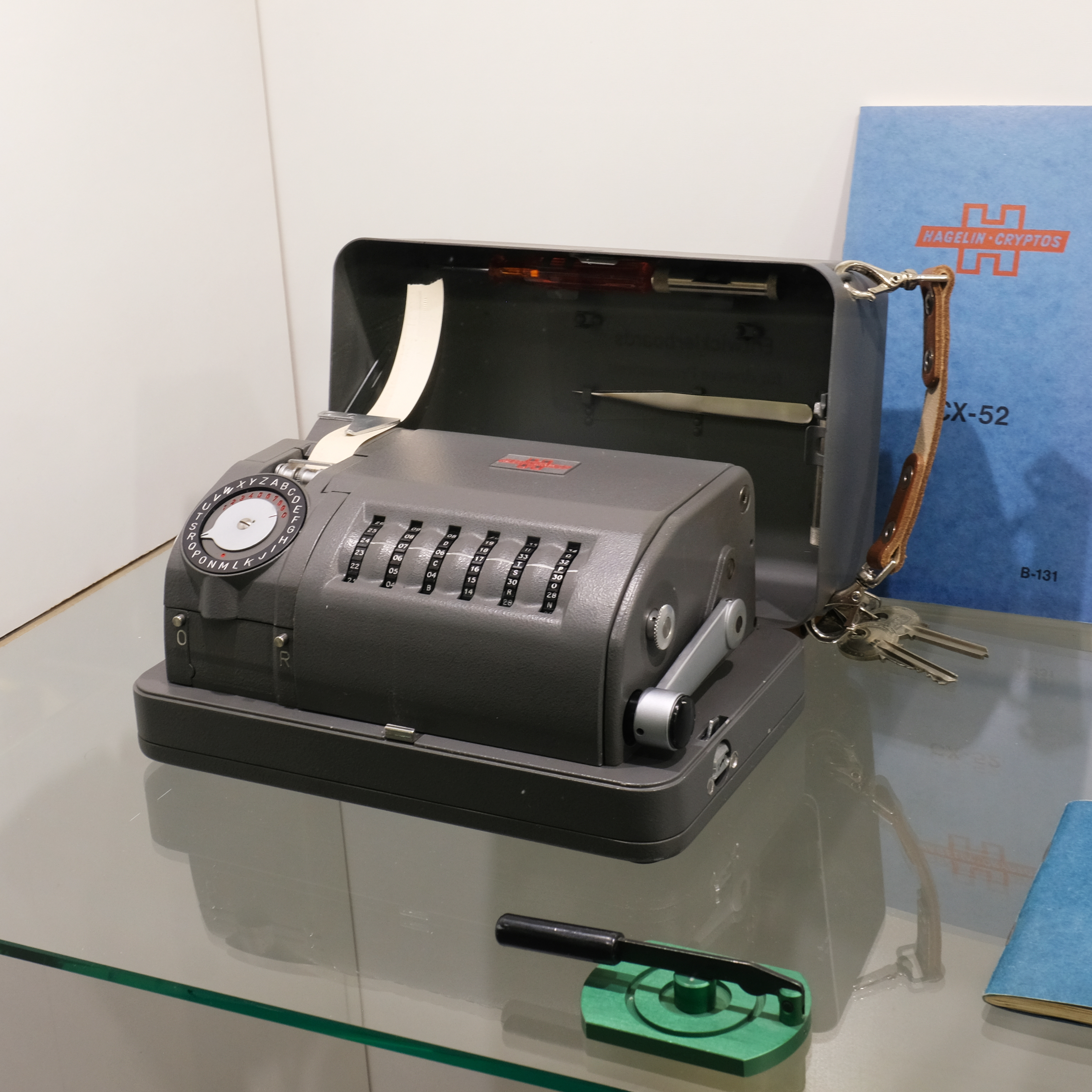
A Swiss parliamentary investigation traced intelligence knowledge to 1993 and political leaders’ notification to late 2019.
Heinz Felfe’s exposure produced a second intelligence struggle over memoirs, reputations and the public record.

A First World War ink formula stayed classified until 2011. It was among six documents the government finally opened after nearly a century.
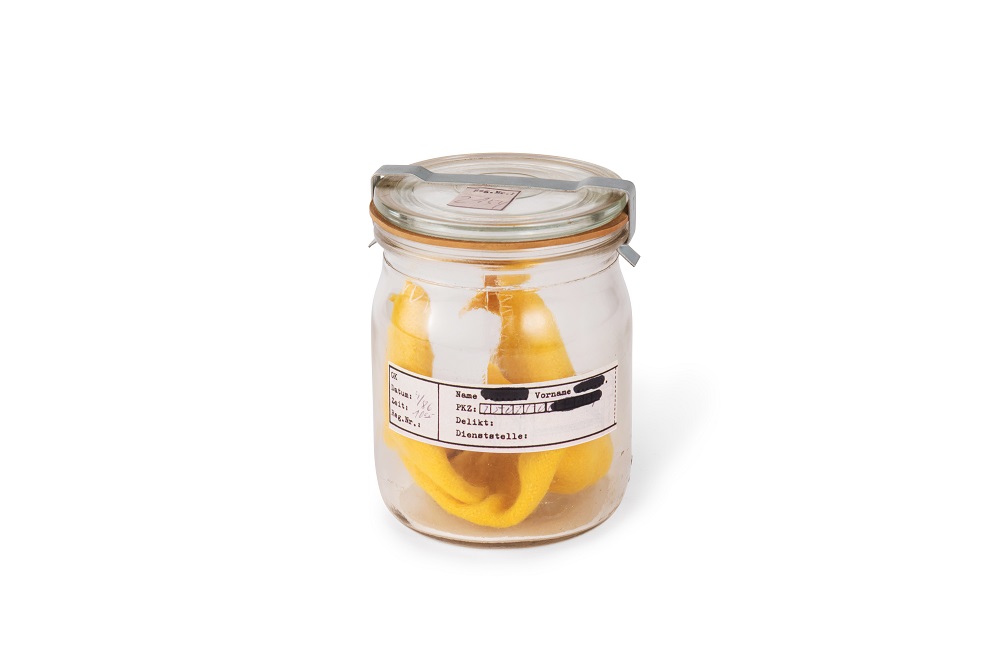
East Germany’s secret police built an odour archive to help dogs identify dissidents. A summons for questioning could supply the sample.
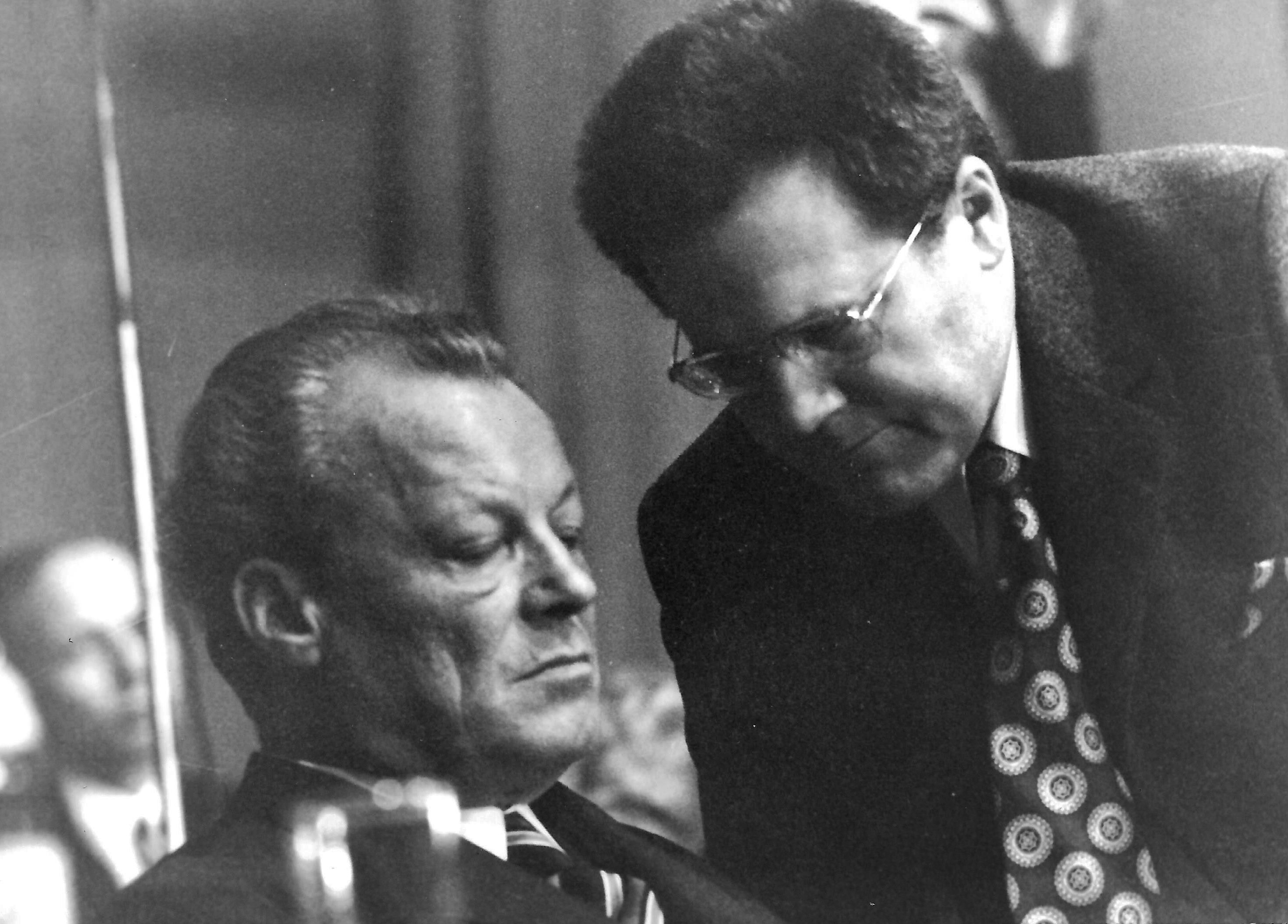
Günter Guillaume spent years climbing the Social Democrats’ ranks. His exposure in the chancellor’s personal staff helped end Brandt’s government.
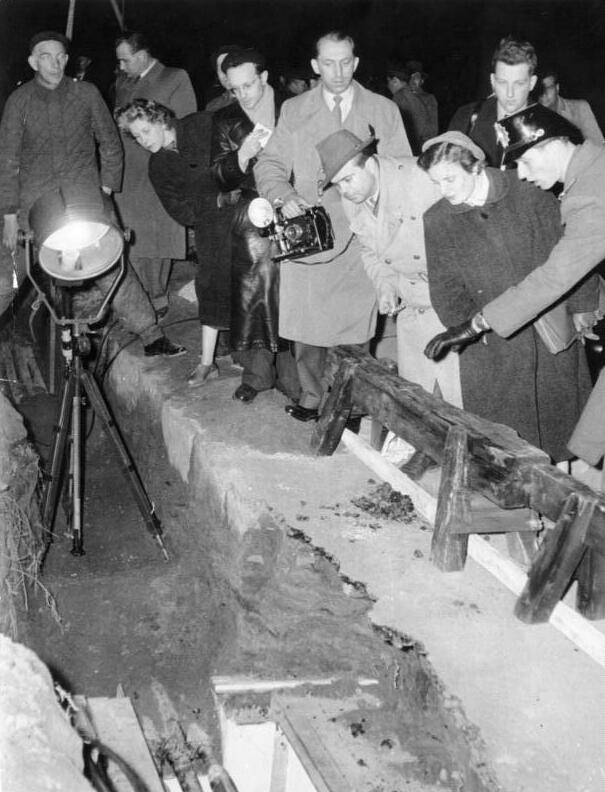
George Blake betrayed the joint CIA–MI6 operation during planning. The KGB protected him while Western analysts collected almost a year of Soviet traffic.
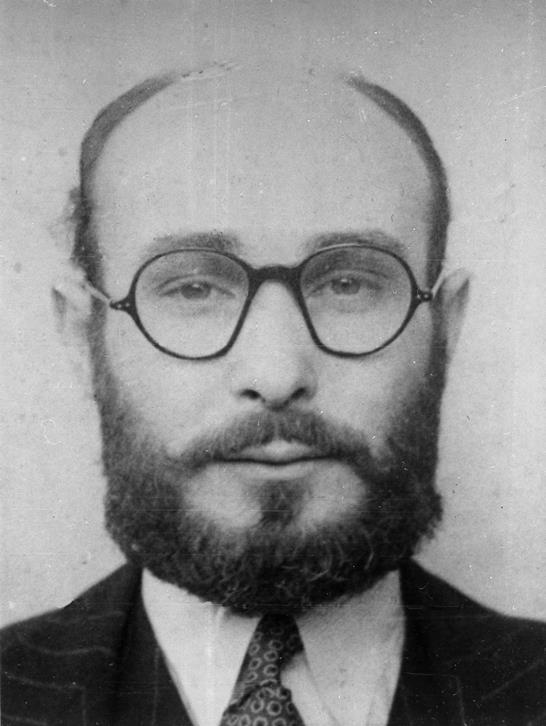
MI5’s double agent built fictitious sources, carefully timed truths and a persuasive story about D-Day. His German handlers rewarded him for it.
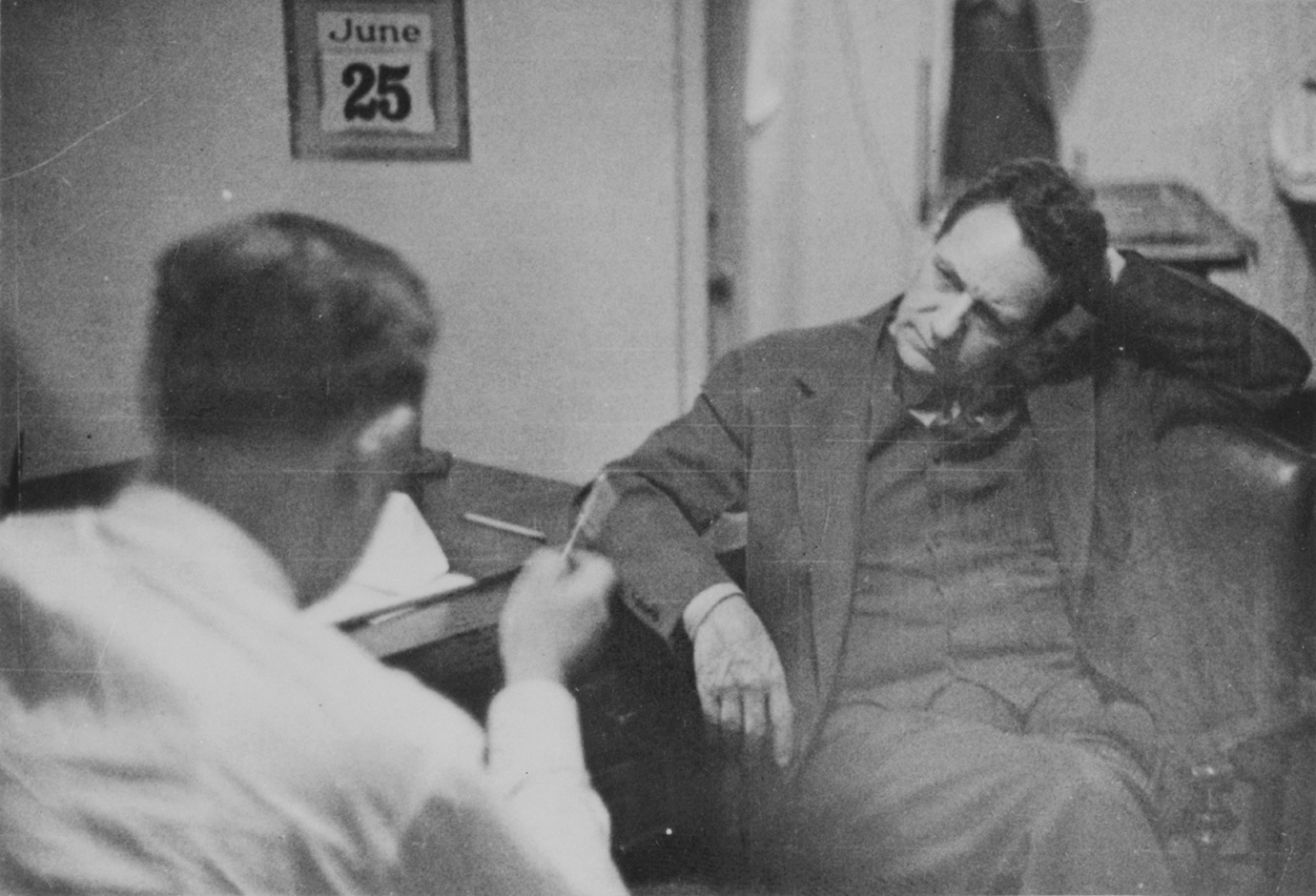
Germany sent William Sebold to New York as an agent. His handlers’ messages and his visitors were soon passing through an FBI trap.
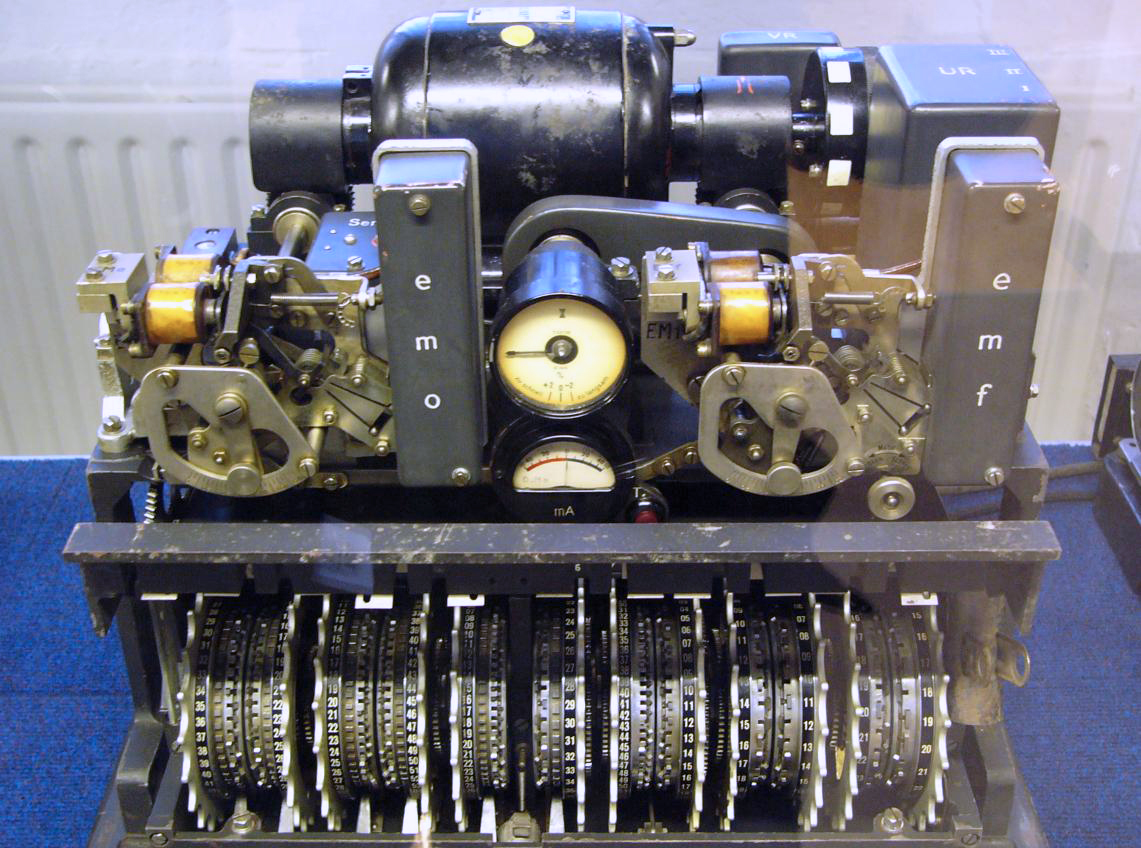
One breach of procedure gave Bletchley Park an opening into the communications of the German High Command.
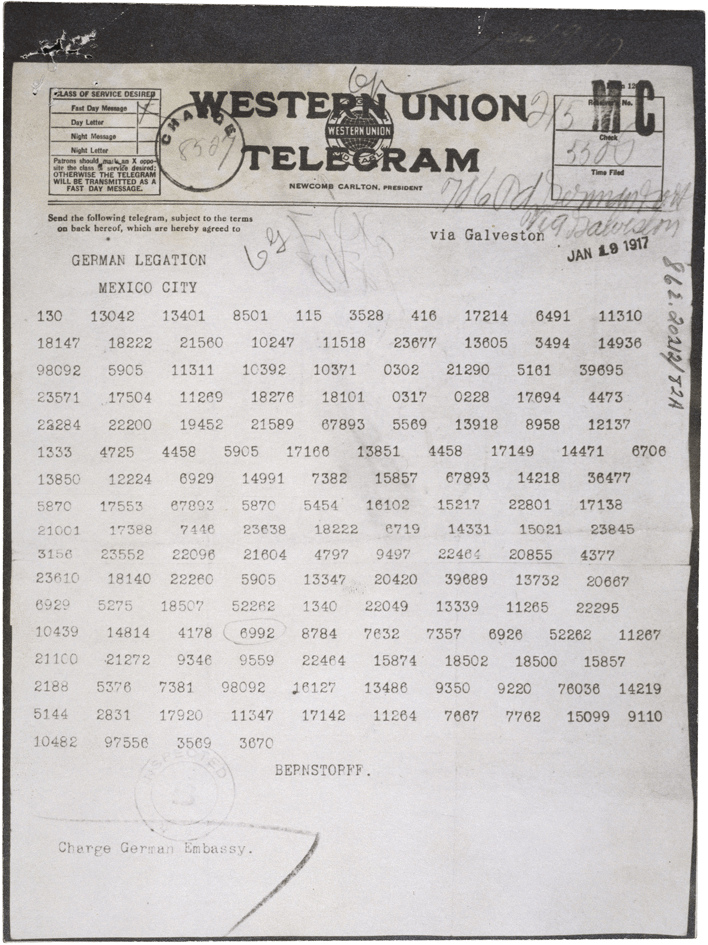
The Zimmermann Telegram became a diplomatic weapon in 1917. London first had to hide how it had acquired it.
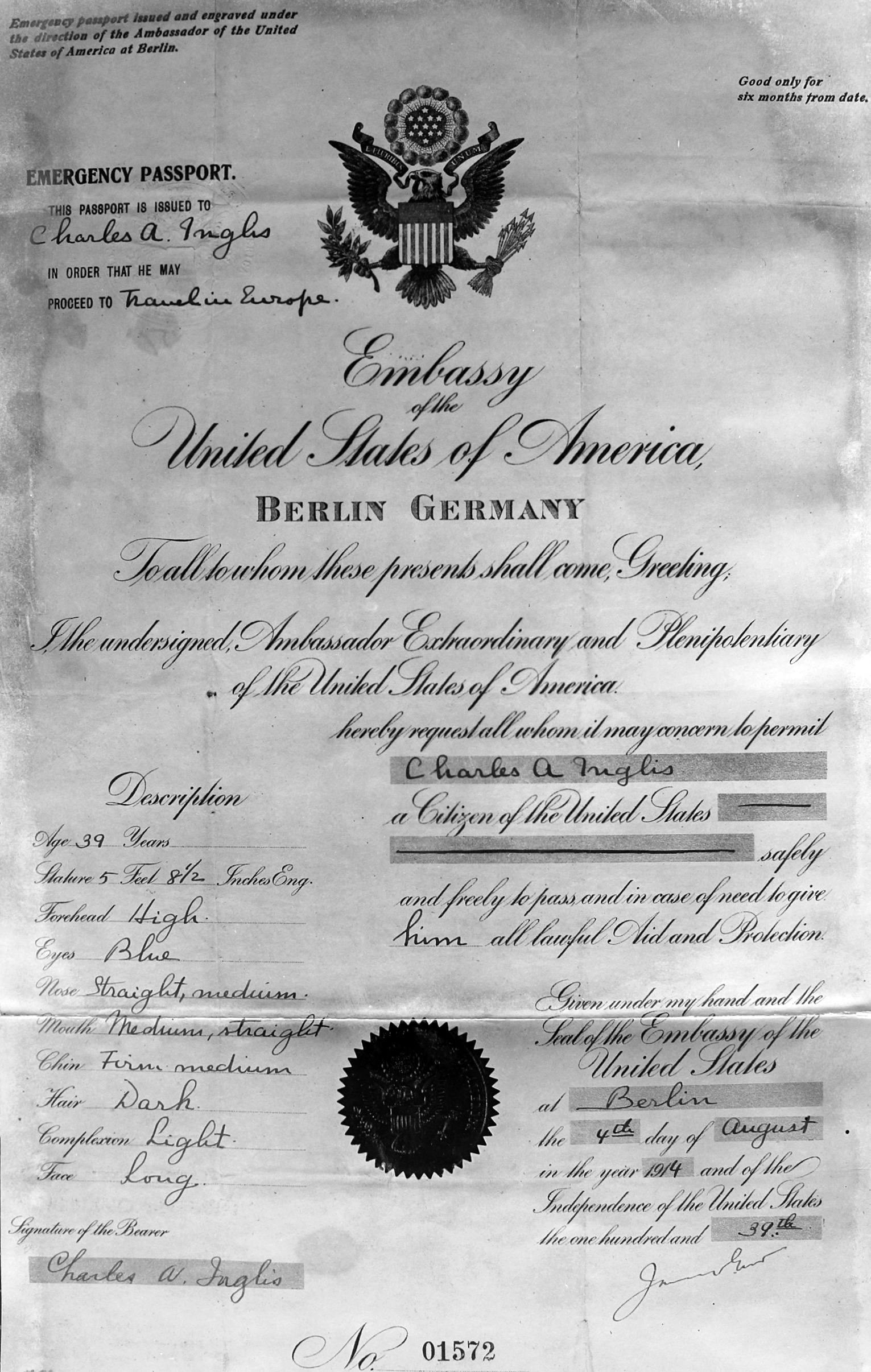
Carl Hans Lody travelled with an American passport. British censors read his messages, and a label in his jacket exposed his real identity.