Germany puts sabotage threat at second-highest level after explosive drone discovery
The Bundeswehr raised its Russian-sabotage assessment after an explosive-laden drone was found near Wunstorf Air Base. Moscow denies responsibility for attacks in Europe.
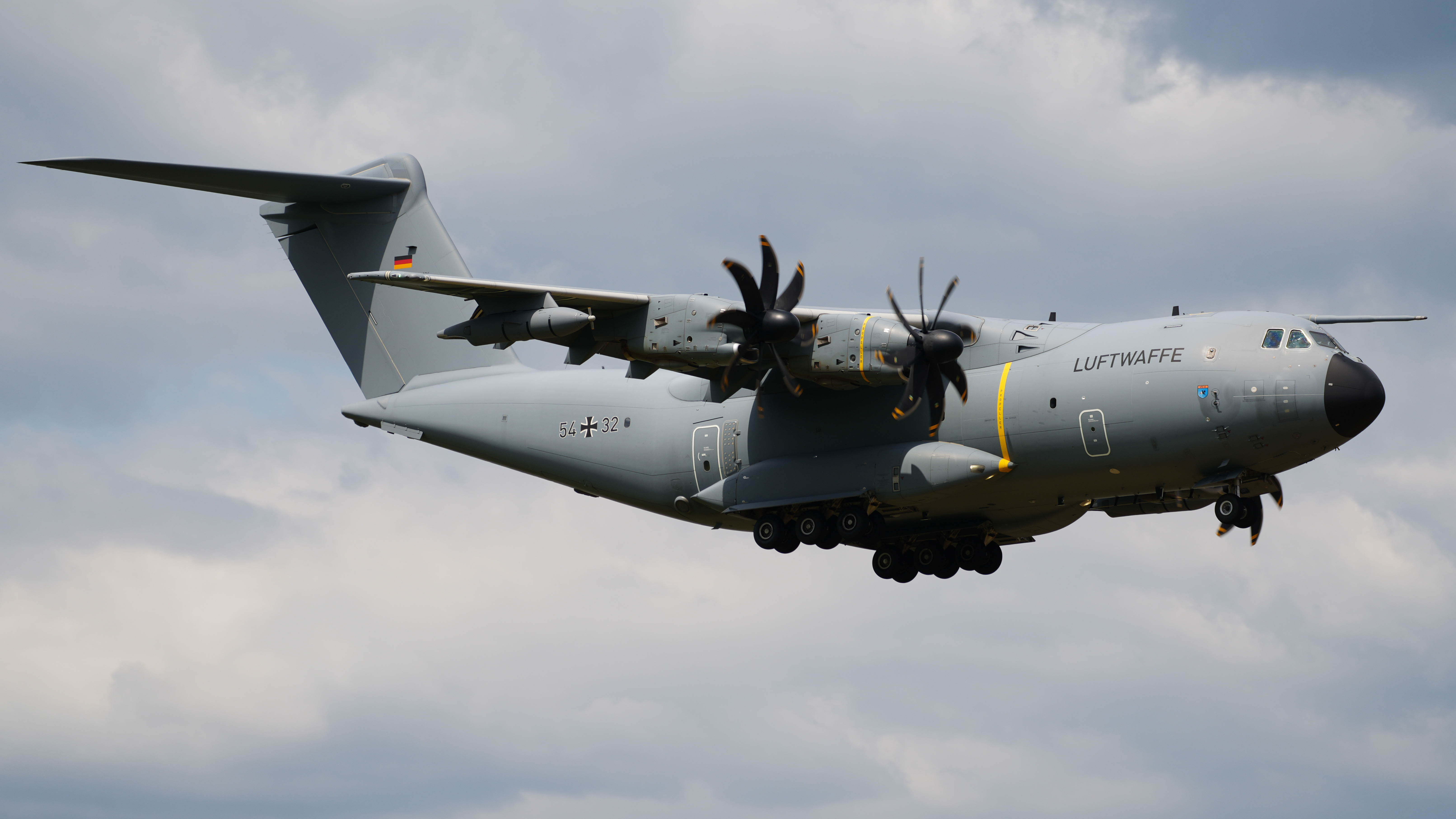
Germany’s armed forces have classified the threat of Russian sabotage against their personnel and facilities as “significant” for the first time—the second-highest level on the Bundeswehr’s internal scale. Reuters reported that a Defence Ministry spokesperson confirmed the assessment on 21 October and said protective measures were being strengthened.
The shift followed a mid-September discovery near Wunstorf Air Base in Lower Saxony. According to Reuters, citing reporting by WDR and Süddeutsche Zeitung, a crashed drone was found with a tin containing high explosive. The internal assessment reportedly says Russia crossed a red line involving kinetic or lethal effects, and that investigators believe the device was aimed at Bundeswehr aircraft. That conclusion has not been tested in court.
The first public signs were more limited. On 15 September, the Guardian reported that German authorities were searching near Lake Steinhude for additional debris from a drone believed to have crashed a little more than half a mile from the base. The later assessment adds the explosive payload and suspected target; Spy Register has not obtained the internal document itself.
Wunstorf now sits beside an established precedent. In September, the German government publicly blamed Russia for an August attempt to attack Leipzig/Halle airport. The Guardian reported that the drone carried 600 grams of explosive and was found near a Ukrainian Antonov cargo aircraft after its detonator apparently failed. German ministers said Russian state know-how and equipment were involved and low-level agents were recruited. Moscow denied responsibility.
The new assessment describes a wider reconnaissance pattern, Reuters reported: drone flights over the Arrow 3 missile-defence site in Saxony-Anhalt and a concealed camera aimed at a strategically important railway station in Minden. German intelligence services expect the situation to worsen in the near term. The Defence Ministry said site-specific protections could include additional guards, infrared cameras and closer fence surveillance.
The Wunstorf operator has not been publicly identified in the reporting reviewed for this article. Germany has named Russia in the separate Leipzig case, while Moscow denies responsibility for sabotage activity. The current public record therefore shows a confirmed military threat-level change and a reported internal attribution—not a criminal judgment assigning the Wunstorf device to a named person or intelligence service.
The current threat-level decision was confirmed by Germany's Defence Ministry, but the internal assessment itself is not public. Reuters attributes the Wunstorf payload and targeting findings to WDR and Sueddeutsche Zeitung's access to that document. No public report reviewed here identifies the drone operator or reports charges. Moscow denies responsibility for sabotage in Europe.
Sources & further reading
SPY REGISTER MEMBERSHIP
Stay on the case.
Follow this story through the case files, read The Brief and keep your own saved reports.
$6.67 a month equivalent · $80 billed annually. Or $8 monthly.
Get the member edition →Renews automatically. Cancel renewal online.