From the archive · A retrospective
France’s KGB mole handed Washington Moscow’s technology shopping list
The Farewell source exposed a collection network—and gave the Americans a route into its requirements.
When Ronald Reagan approved his Soviet policy directive on January 17, 1983, a French intelligence penetration had already helped elevate technology theft into an American strategic concern. The source was Vladimir Vetrov, a KGB officer whose access revealed what Moscow was collecting and what it still wanted.
Vetrov’s channel ran through France’s domestic counterintelligence service, the DST. A CIA-published review places his offer of cooperation in February 1981. His French contacts were linked to that service, and the handling arrangement sought to keep him beyond the attention focused on France’s foreign intelligence officers.
According to Gus Weiss, an American official who later described the operation in the CIA’s Studies in Intelligence, Vetrov supplied about 4,000 documents. His position evaluating scientific and technical intelligence provided insight into Directorate T and its overseas collection arm, Line X. The material included officer identities and leads to recruited sources.
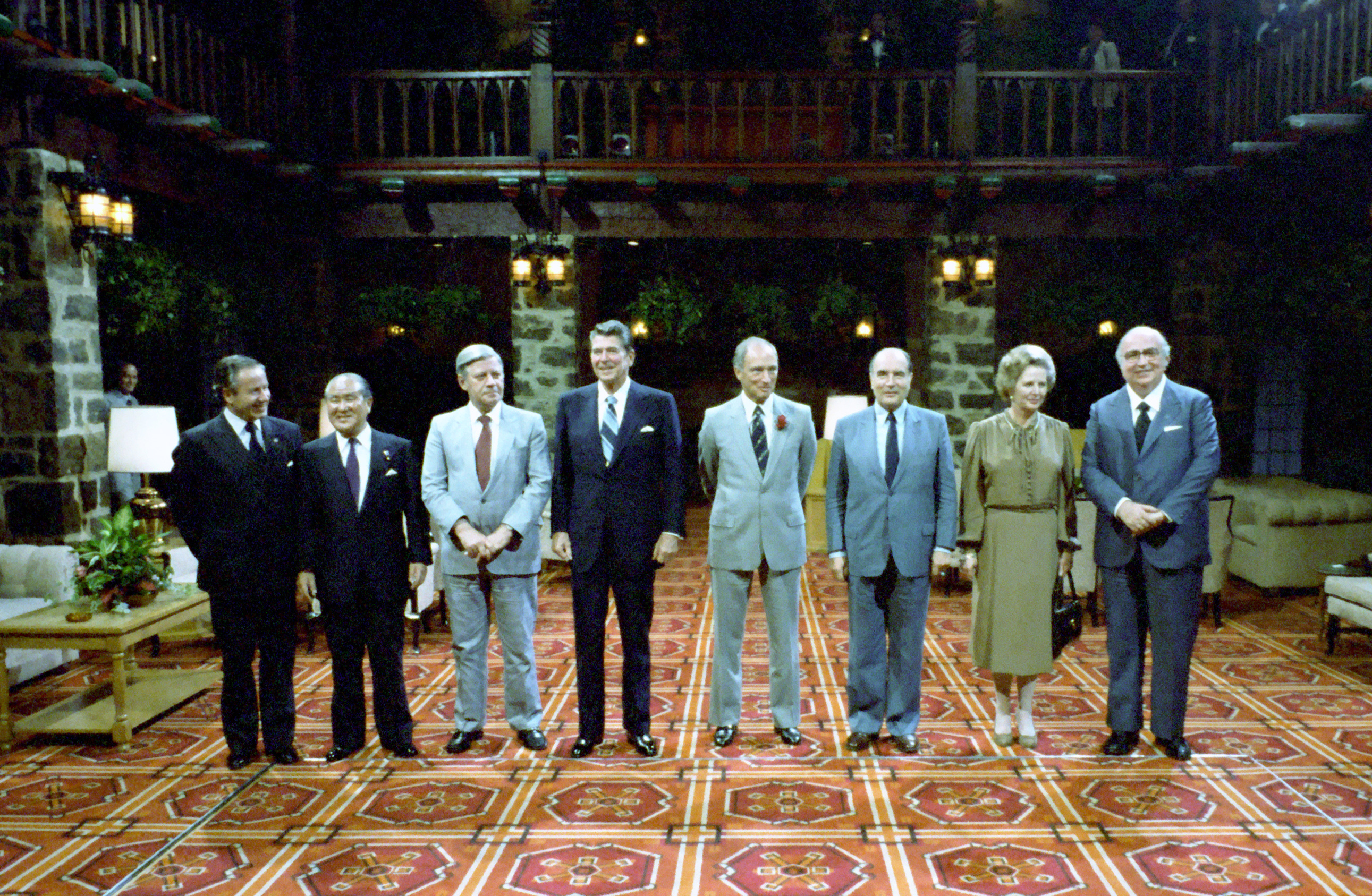
François Mitterrand offered the intelligence to Reagan at the July 1981 Ottawa economic summit, Weiss wrote. Washington received a view into Soviet requirements as well as completed acquisitions. The CIA established a specialised technology-transfer intelligence centre as officials assessed the exposure of Western research and industry.
Weiss described proposing a further step to CIA director William Casey in January 1982: introducing altered products into the channels Line X was using. His account presents the operation as a way to exploit Soviet dependence on stolen technology. A later CIA book review cautioned that the authors it examined lacked documentary evidence for their false-data account; the detailed sabotage claims deserve that qualification.
The French service’s own institutional history records a concrete outcome: the Farewell case led to 46 expulsions. It also places the affair in a widening counterintelligence mission that protected scientific and industrial knowledge alongside military secrets. The source had exposed a network built around acquisition; his documents allowed its targets to see the shopping list.
Detailed deception successes are attributed to Gus Weiss’s retrospective account. The feature does not assert the disputed story of a CIA-caused Soviet pipeline explosion.
Sources & further reading
SPY REGISTER MEMBERSHIP
Stay on the case.
Follow this story through the case files, read The Brief and keep your own saved reports.
$6.67 a month equivalent · $80 billed annually. Or $8 monthly.
Get the member edition →Renews automatically. Cancel renewal online.