From the archive · A retrospective
The White House Retired the CIA’s 2,200-MPH Spy Plane After One Campaign
OXCART delivered nearly a mile of film on its first operational flight. Satellites and the Air Force’s Blackbird narrowed its future.
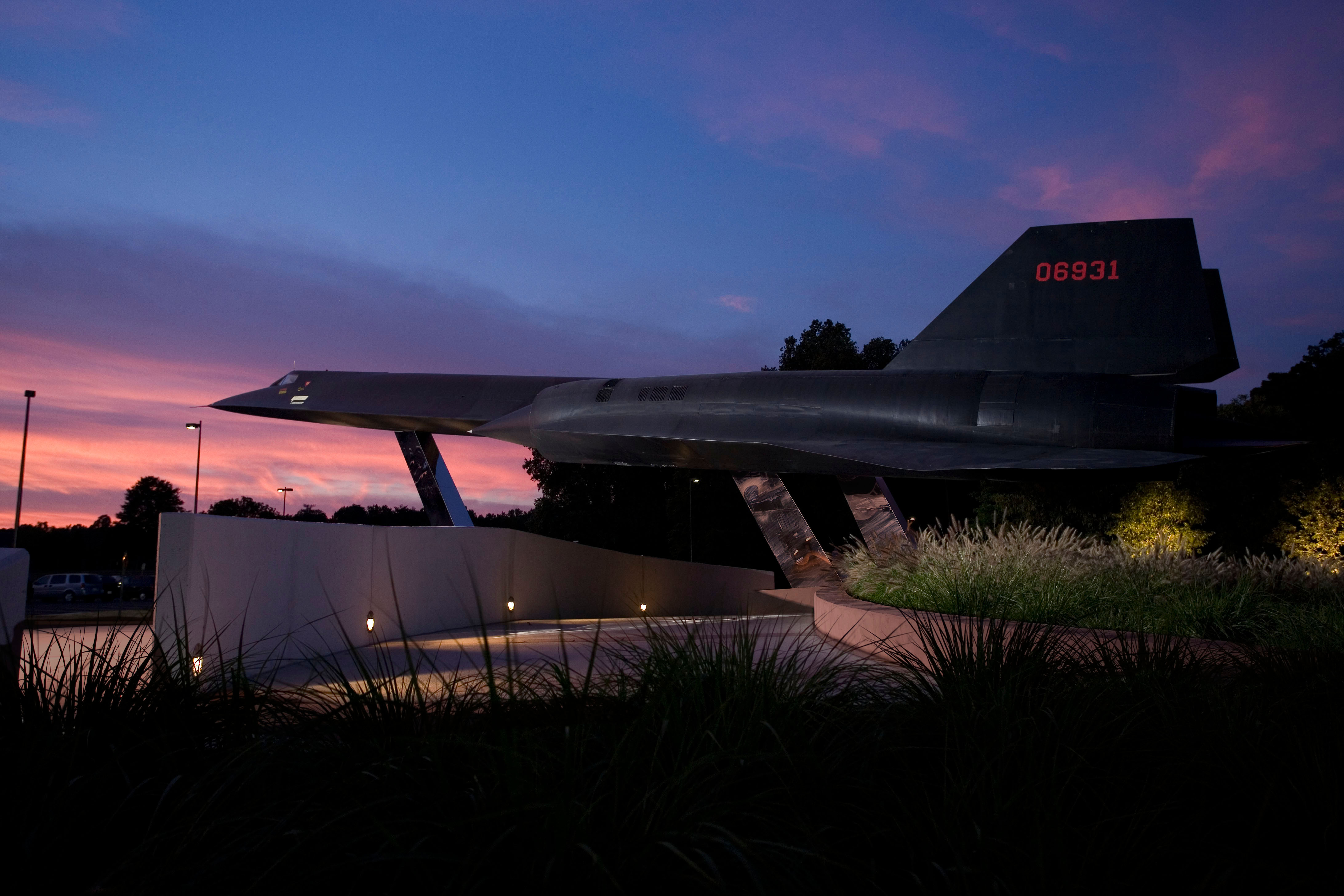
Mele Vojvodich took the CIA’s A-12 into a torrential downpour over Okinawa on 31 May 1967. The aircraft had never operated in heavy rain. He returned three hours and thirty-nine minutes later with nearly a mile of reconnaissance film. Photo interpreters could assess scores of North Vietnamese missile sites. The agency’s extraordinary aircraft had finally begun its operational campaign.
The A-12 had been conceived for a different target. CIA awarded Lockheed the OXCART contract in 1959 to produce a successor to the U-2 that could fly high and fast enough to evade Soviet defences. Kelly Johnson’s team had to solve problems across the aircraft: titanium fabrication, engines, fuel, lubricants, navigation and the systems keeping its pilot alive.
By 1965 it could sustain Mach 3.2 at 90,000 feet. That performance came after hundreds of testing hours and considerable personal risk. Yet politics had already closed the original route. Following the 1960 shootdown of Francis Gary Powers’s U-2, Soviet overflights were halted. Speed and altitude could solve an engineering problem while leaving presidential permission unresolved.
The operational assignment, BLACK SHIELD, ran from May 1967 to May 1968. Six pilots and three aircraft based at Kadena flew twenty-nine missions over East Asia. Vojvodich’s first flight reached 80,000 feet and Mach 3.1. It required aerial refuelling immediately after departure and during its route.
The Air Force’s two-seat SR-71 was meanwhile approaching the same mission with a modified version of the design. CORONA satellites offered another way to gather images. Their photographs were less timely and had poorer resolution, the CIA’s history says, but satellites avoided anti-aircraft missiles and generated less political friction than aircraft overflights.
President Lyndon Johnson ordered the A-12 retired. Maintaining a covert CIA fleet alongside the overt Air Force fleet offered little additional value. BLACK SHIELD’s reconnaissance work ended after a year, leaving a machine whose demonstrated performance had outlived the strategic case for operating it separately.
The twenty-nine missions refer to BLACK SHIELD reconnaissance sorties, separate from the extensive test and training programme. Performance and mission results are attributed to the CIA’s published history.
Sources & further reading
SPY REGISTER MEMBERSHIP
Stay on the case.
Follow this story through the case files, read The Brief and keep your own saved reports.
$6.67 a month equivalent · $80 billed annually. Or $8 monthly.
Get the member edition →Renews automatically. Cancel renewal online.