From the archive · A retrospective
North Korea Seized an American Spy Ship With Its Secrets Still Aboard
The Pueblo’s crew tried to destroy the cryptographic equipment. The ship’s design made that desperate job harder.
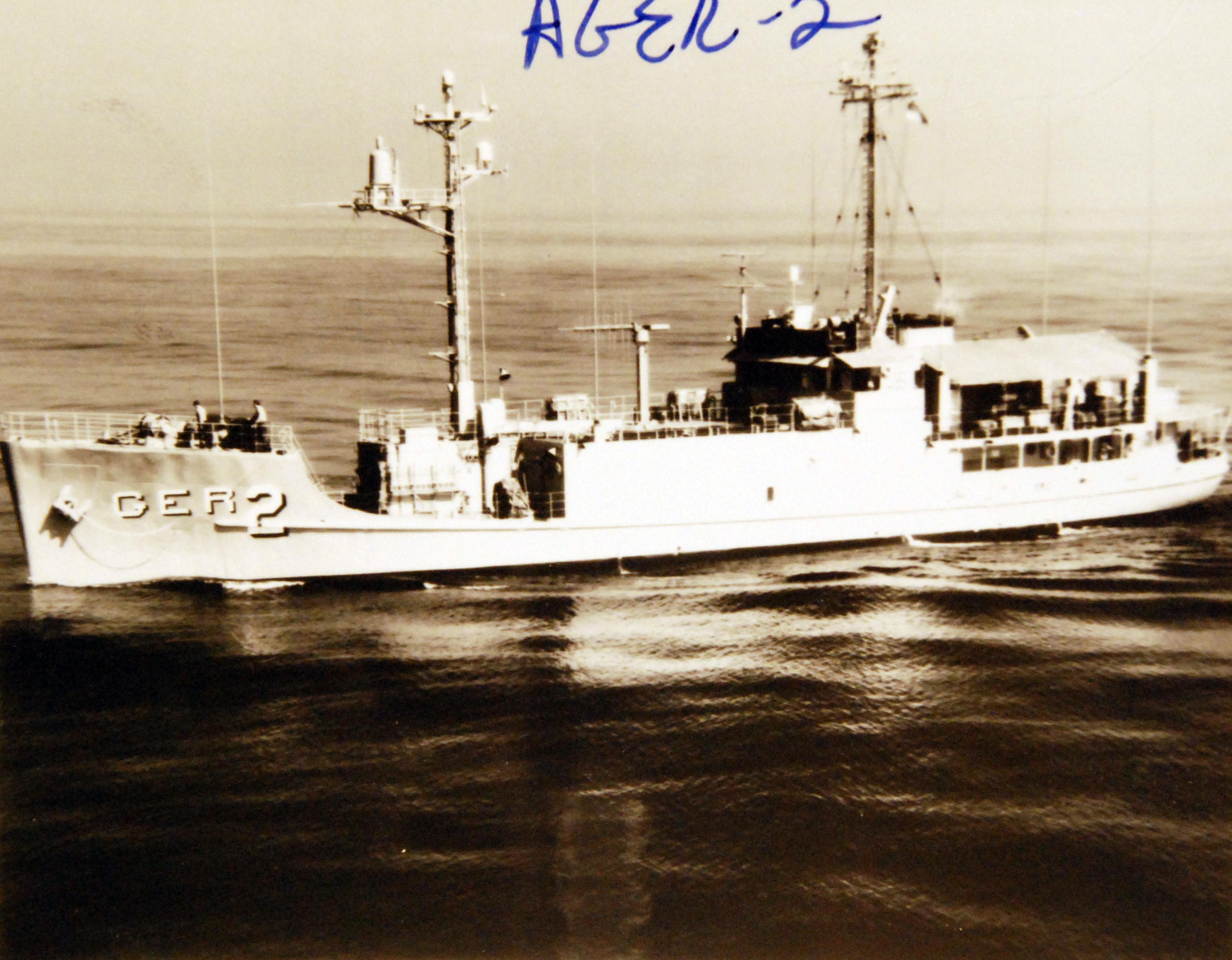
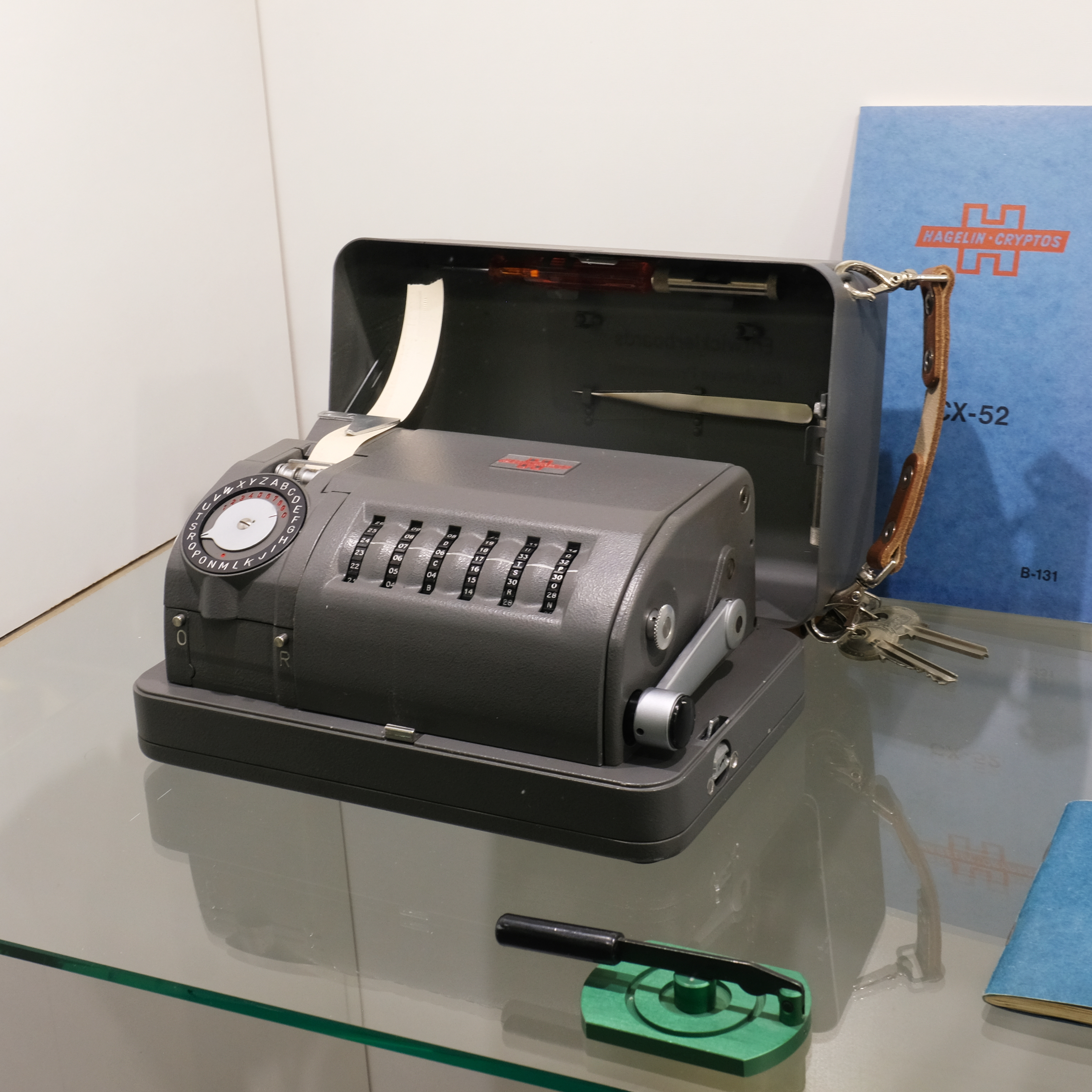
The men aboard USS Pueblo reached for axes and sledgehammers as North Korean forces closed in. They were trying to destroy the classified equipment that made their vessel valuable. According to an Army historical account, the metal cases resisted them; document shredders and an incinerator also failed to do the necessary work. Intelligence collected at sea was about to become intelligence captured at sea.
On 23 January 1968, North Korean vessels and aircraft confronted the ship off the country’s eastern coast. One American sailor was killed. Commander Lloyd Bucher surrendered, and the remaining 82 men became prisoners. Pyongyang said Pueblo had entered its territorial waters; American accounts place it in international waters.
Pueblo had begun life as a Second World War Army cargo vessel. It returned to service through Operation Clickbeetle, a joint Naval Intelligence and NSA programme that converted cargo ships into signals-collection platforms. Technicians worked inside a special metal compartment, gathering emissions from radar, sonar and communications. On its first mission the ship carried modern equipment behind the outward appearance of a research vessel.
Back in Washington, the problem acquired an aerial dimension. CIA Director Richard Helms urged President Lyndon Johnson to send an A-12 reconnaissance aircraft to find the ship. On 26 January, pilot Jack Weeks flew three passes across southern North Korea and the Demilitarized Zone. Photointerpreters located Pueblo north of Wonsan, apparently undamaged and watched by two patrol boats.
The technology loss troubled intelligence officials. A 2026 Army history published through DVIDS describes concern that captured cryptographic engineering would improve an adversary’s understanding of American systems. Its account records immediate changes: carry only essential classified technical material, give similar ships heavier armament and provide armed escorts for sensitive operations. The vessel had lacked a quick-destruction system.
The crew endured eleven months in captivity before returning in December. Finding Pueblo from the air had answered where North Korea was keeping it. The equipment left aboard posed a longer problem: how much an opponent could learn by taking apart the machines America used to protect and collect secrets.
The location dispute is attributed to each side. Assessments of damage describe recorded concern rather than a quantified finding of what Soviet or North Korean analysts ultimately learned.
Sources & further reading
- Military Intelligence --this week in history. 23 January 1968U.S. Army
- PeacekeeperCIA
- USS Pueblo Captured (23 JAN 1968)DVIDS / US military published records
SPY REGISTER MEMBERSHIP
Stay on the case.
Follow this story through the case files, read The Brief and keep your own saved reports.
$6.67 a month equivalent · $80 billed annually. Or $8 monthly.
Get the member edition →Renews automatically. Cancel renewal online.