
FBI / Cyber & technology
OpenAI’s Hidden Microphone May Become an Espionage Case
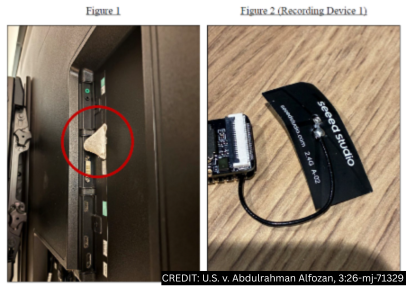
The FBI is examining a possible economic-espionage charge against the former engineer accused of bugging an executive conference room, the Wall Street Journal reports.
SPY REGISTER / REPORTING & ANALYSIS
Intelligence reporting from United States.
The FBI is examining a possible economic-espionage charge against the former engineer accused of bugging an executive conference room, the Wall Street Journal reports.

Ratcliffe has already gone to Havana. The strongest reading of Washington’s pressure campaign points toward bargaining with the men who can deliver change from within.

Zelenskyy thanks US officials after Oslo talks, while Rubio disputes a policy change and cites an earlier software problem.
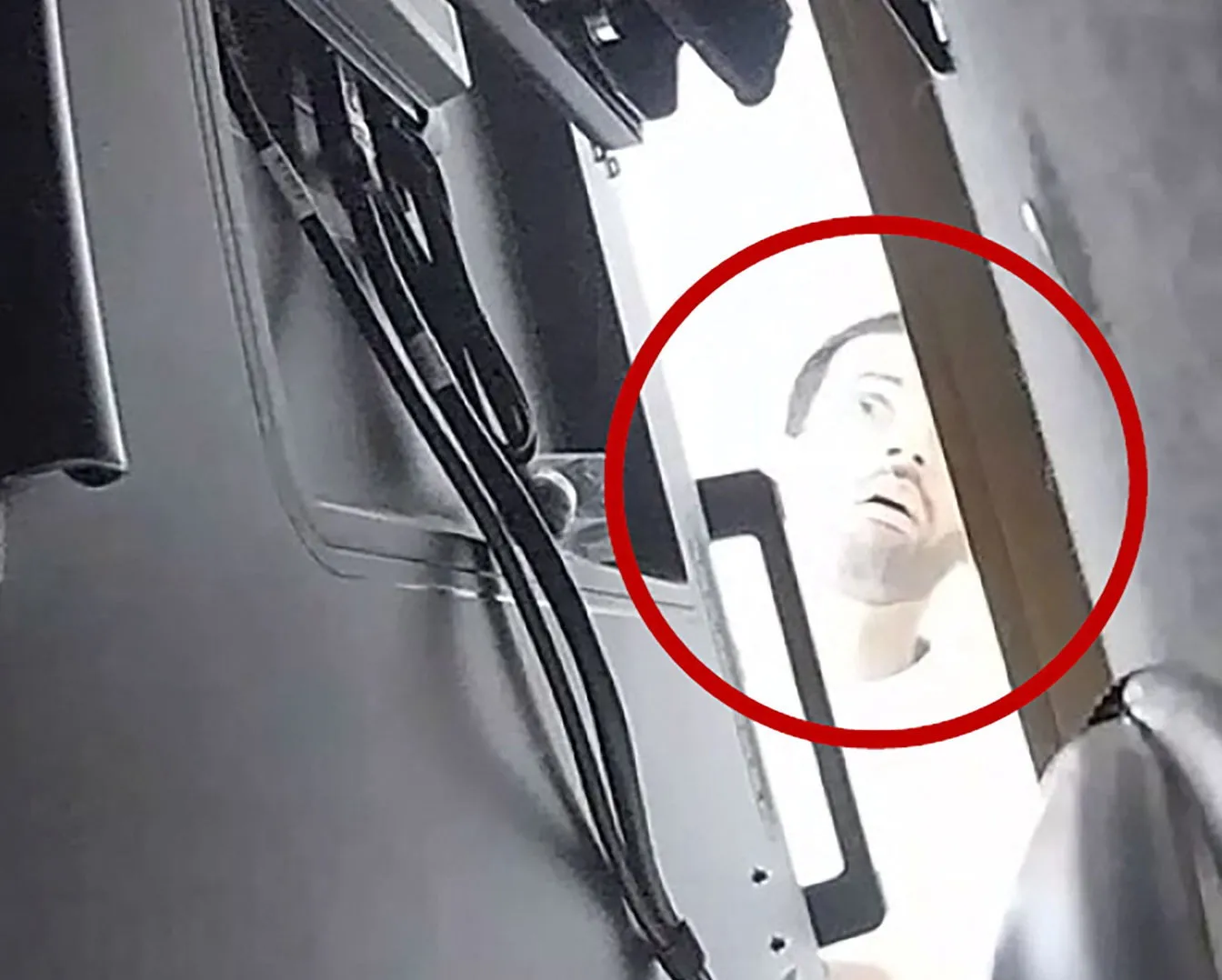
An engineer accused of planting a recorder in OpenAI’s executive conference room was filmed looking behind the TV. Prosecutors identify him as Abdulrahman Alfozan, charged with intercepting communications.
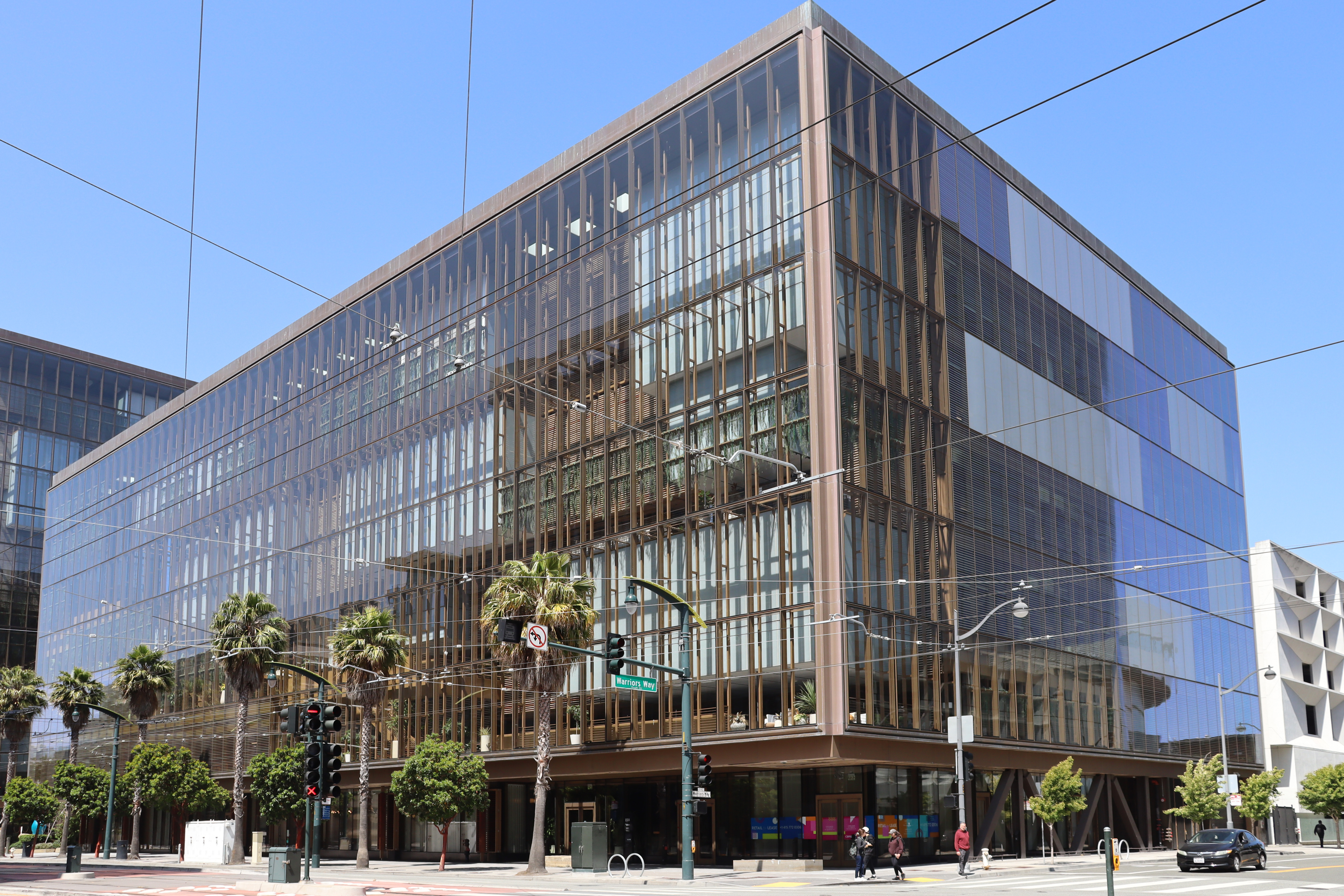
A federal judge denied home confinement for Abdulrahman Alfozan. Prosecutors allege he was days from leaving for Saudi Arabia; his lawyer says the family trip was planned for paternity leave.
Beijing rejects the measures linked to former Google engineer Linwei Ding. His theft convictions remain, while a judge dismissed the separate economic-espionage counts.
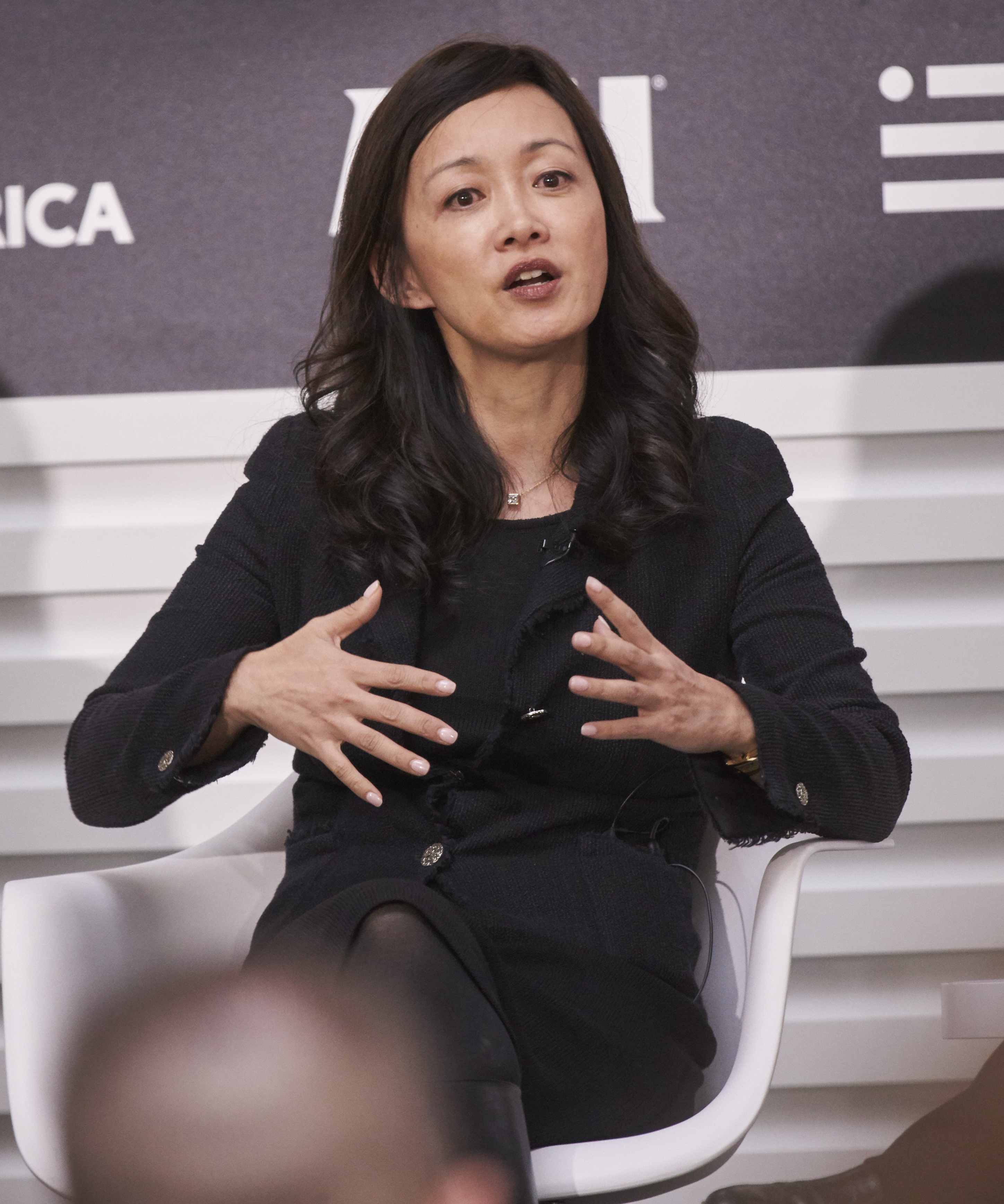
The foreign-agent prosecution could end after a year. The agreement records gifts and meetings without an admission of wrongdoing.
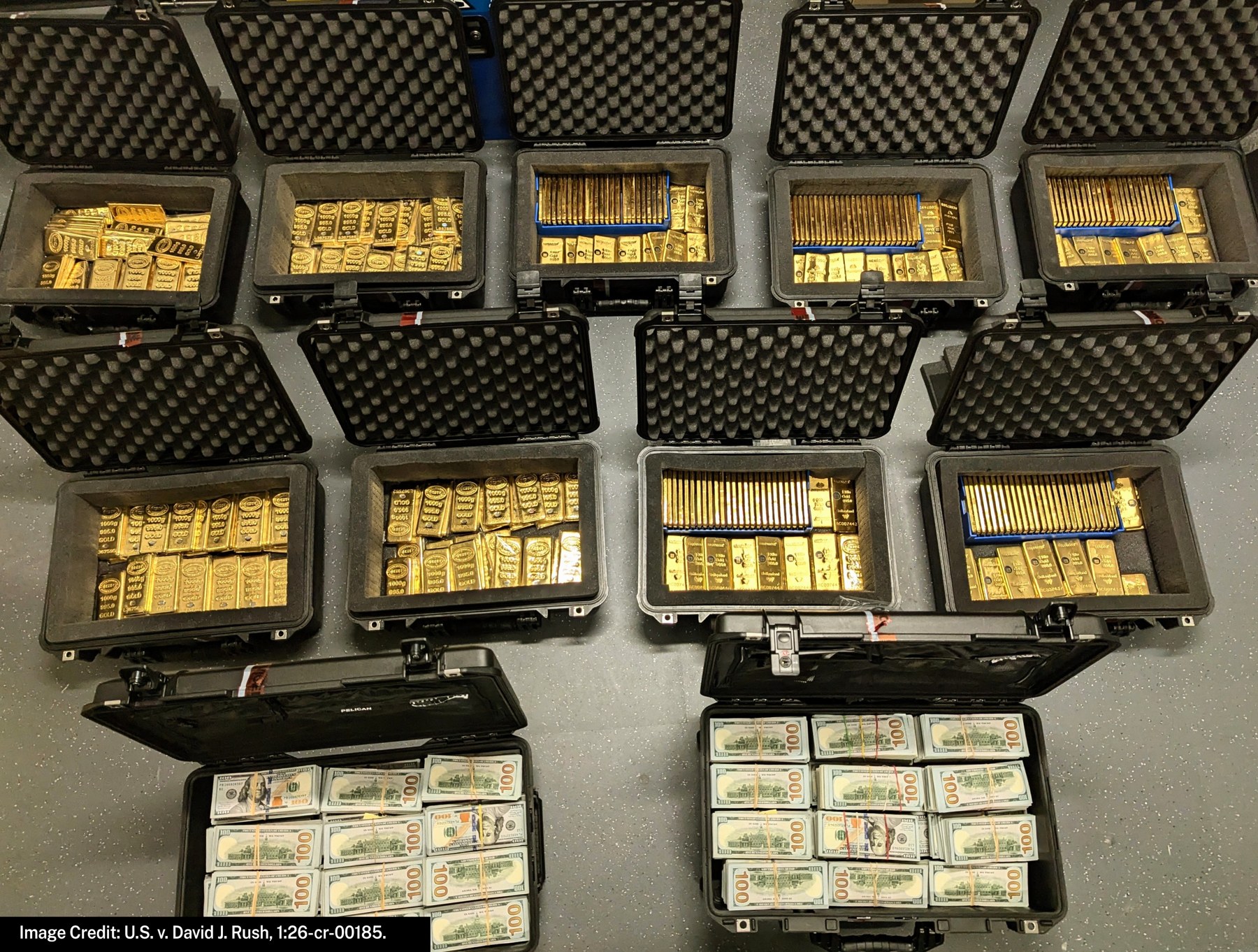
David Rush pleaded guilty after inventing government authorities to acquire gold, Florida property and luxury goods. The agency has a much bigger problem than an embarrassing photograph.
New national-security products face a 2027 cryptography deadline; incompatible equipment is supposed to be replaced by 2030.
The London force reviewed its use of the forensic tools as US prosecutors accused company leaders of concealing Russian control.

A convicted sex offender put $1 million into an Israeli emergency-response startup through Barak’s holding company. The money was welcome; the name stayed out of the term sheets.
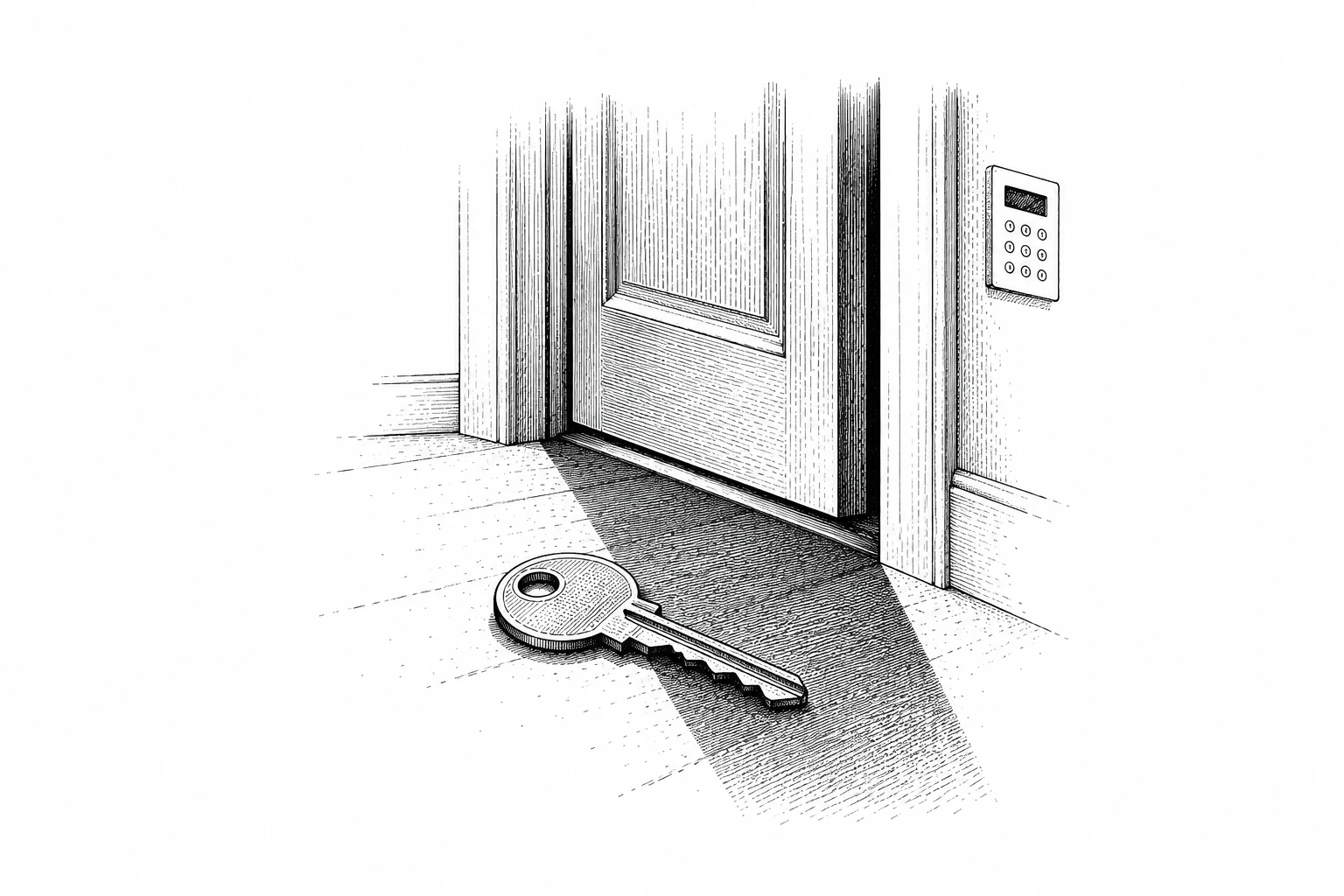
An alarm, a consular official and a familiar guest: the emails show how comfortably official protection fitted into Epstein’s private world.
A Chicago student’s people-search purchases led to an agent conviction, an Army false-statement finding and a presidential commutation.
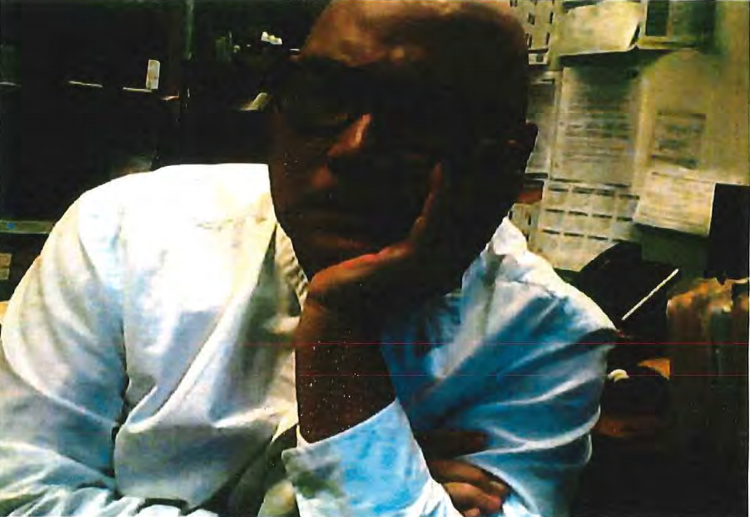
Alexander Ma’s case ran from a $50,000 meeting in Hong Kong to an FBI payroll, a fake Chinese handler and a lifetime obligation to talk.
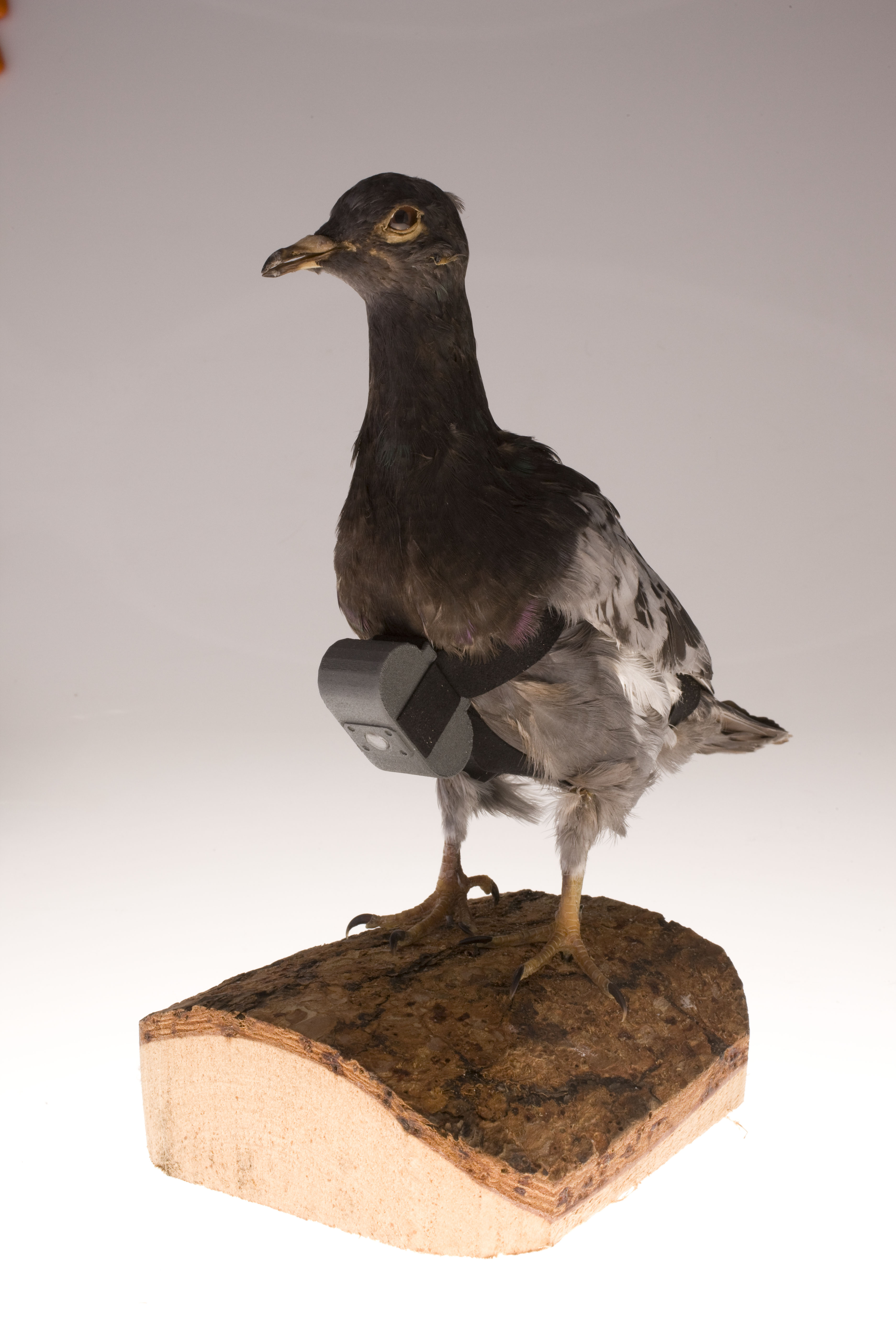
The agency’s own account describes Cold War reconnaissance birds fitted with tiny cameras. Being ordinary was their cover.

Jonathan Pollard’s airport reception supplied the public ending to an espionage case whose intelligence damage remains partly classified.
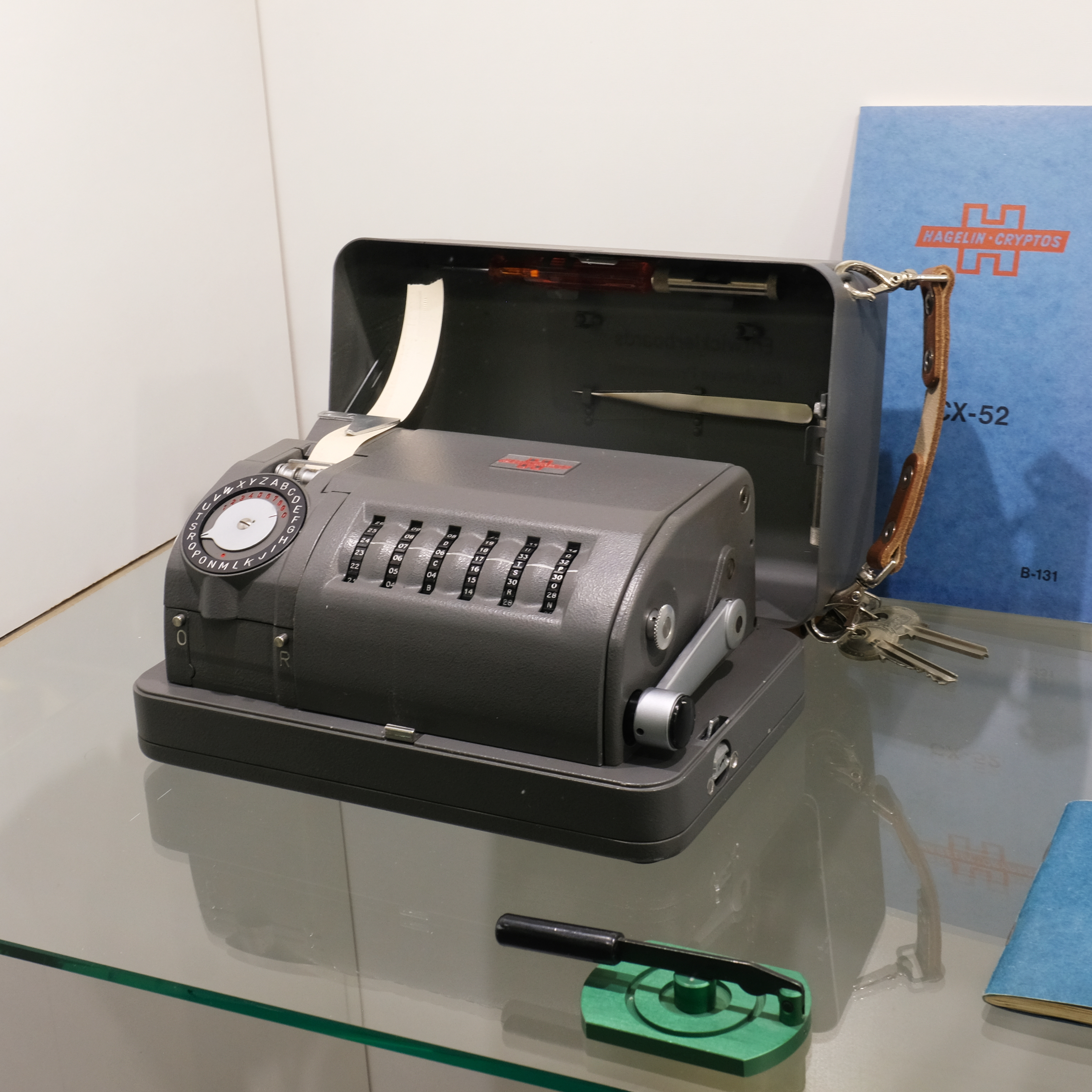
A Swiss parliamentary investigation traced intelligence knowledge to 1993 and political leaders’ notification to late 2019.
A Singaporean agent used job advertisements and paid reports to cultivate sources, then faced prison and security detention.
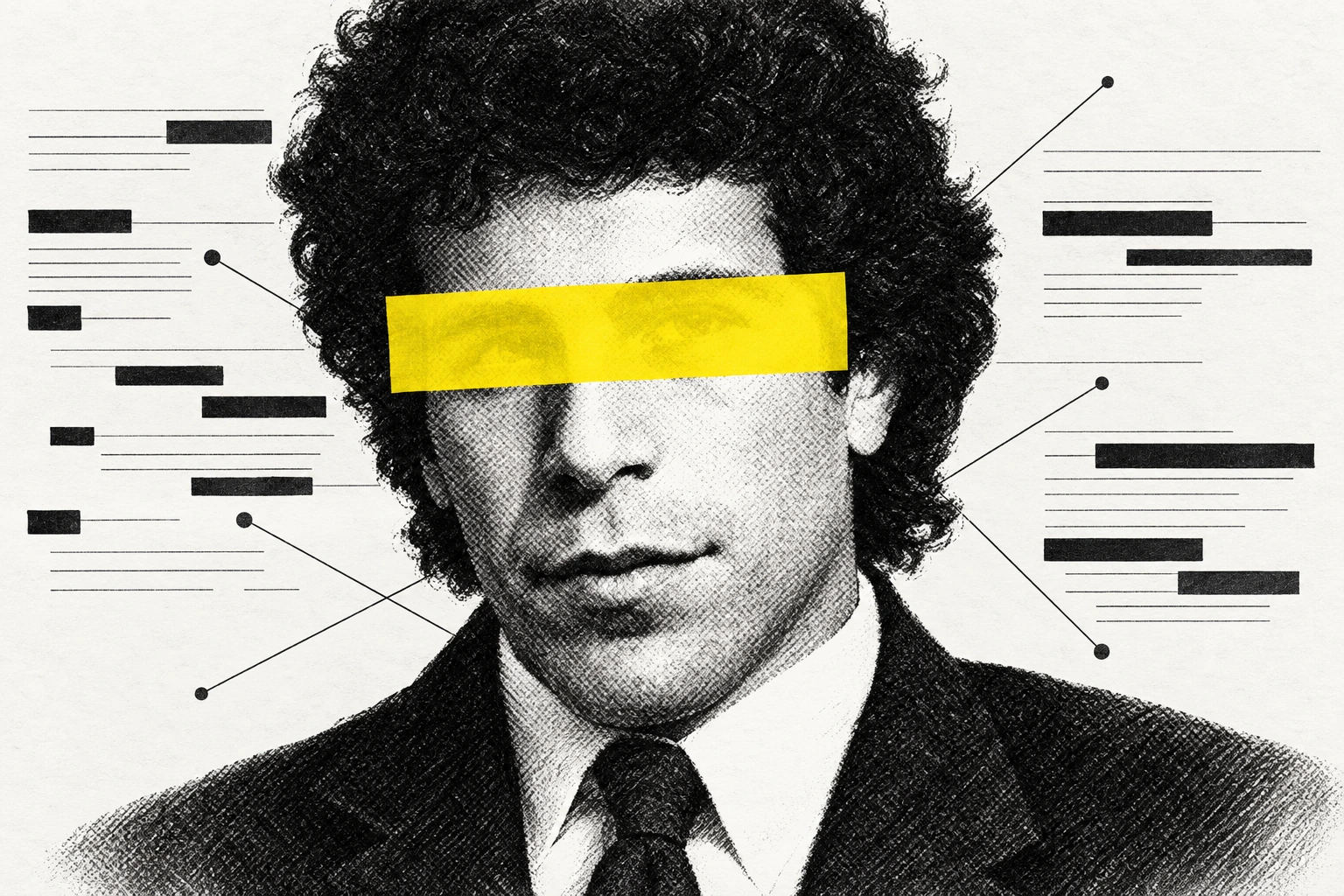
Texts to William Burns, favors involving an FSB Academy graduate and years of access to Ehud Barak trace Epstein’s reach into the intelligence establishment.

A First World War ink formula stayed classified until 2011. It was among six documents the government finally opened after nearly a century.
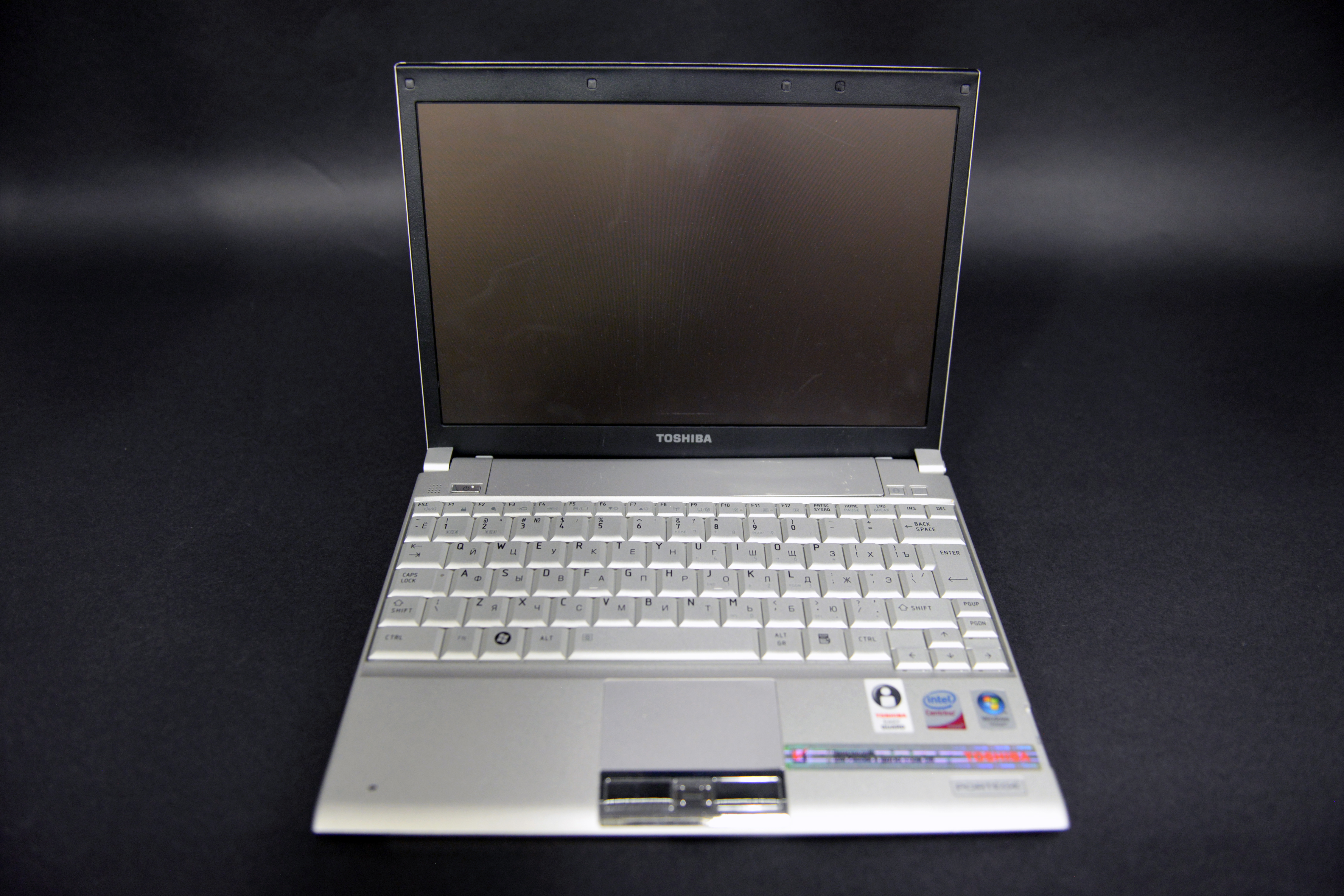
Operation Ghost Stories watched deep-cover agents marry, buy homes, raise children and cultivate future sources. Eleven days after ten arrests, guilty pleas became a spy swap.