The CIA’s Best Bet in Cuba Is a Deal With the Regime
Ratcliffe has already gone to Havana. The strongest reading of Washington’s pressure campaign points toward bargaining with the men who can deliver change from within.
Opinion · The editorial view of Spy Register.

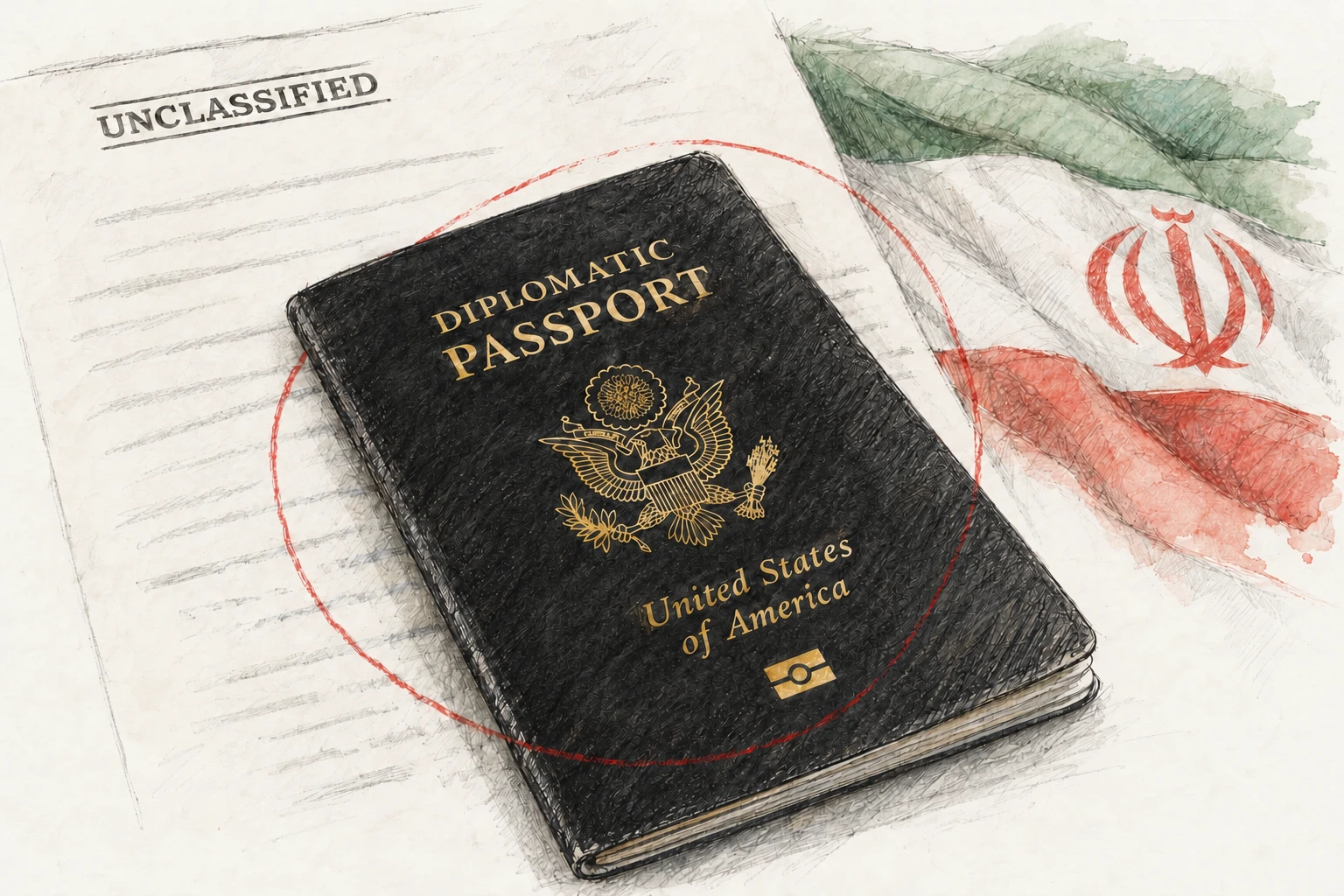
The most revealing American move on Cuba this year was a meeting. CIA Director John Ratcliffe went to Havana in May and sat down with figures at the center of its security establishment. Washington was squeezing the island while opening a channel to the people who help keep its government alive. That combination is the best guide to what comes next.
Our judgment is that the next productive CIA move will involve bargaining inside the regime: identifying officials capable of delivering concessions, finding out what they need to survive a transition and testing whether they can bring others with them. Pressure is already abundant. The scarce commodity is an interlocutor who can make a promise stick.
The May visit put a face on that problem. A CIA official told Reuters the meetings included Raúl Guillermo Rodríguez Castro, Interior Minister Lázaro Álvarez Casas and the intelligence chief. The agenda covered intelligence cooperation, economic stability and security. Those choices give the encounter its significance. Washington went to men positioned to discuss the state’s coercive machinery.
Trump’s January oil order supplies the economic side. It established a mechanism for threatening tariffs against countries supplying Cuba, directly or through intermediaries. It also allowed modification if Cuba or another affected country sufficiently aligned with American security and foreign-policy concerns. Relief was built into the instrument as a possibility. That gives an intermediary something concrete to discuss.
October’s public disagreement over talks suggests the channel has survived without producing a settlement. Cuba’s top diplomat in Washington told Reuters there were meetings, calls and WhatsApp messages, but no formal negotiating agenda. The State Department said talks were ongoing. Havana rejected bargaining over its political system; Washington said the regime remained unwilling to agree to meaningful change.
Both positions serve an immediate purpose. A Cuban official who visibly bargains away the system risks being treated as its betrayer. An American administration promising fundamental change cannot easily advertise a modest arrangement with the same officials. Intelligence channels are useful in precisely this sort of impasse: each side can test terms before assuming the public cost of endorsing them.
The signs to watch are therefore practical. Does an identifiable Cuban official begin carrying messages repeatedly? Does narrowly defined economic relief follow a verifiable security concession? Do the same officials retain influence after a concession is made? Those would strengthen the case for an internal bargain. Further talks without implementation would weaken it. An economic crisis alone cannot tell us who is willing, or able, to change course.
There are hazards to this approach. A security service can sell cooperation to gain time. Economic pain can harden the officials Washington wants to split, while falling most heavily on ordinary Cubans. An arrangement that preserves the coercive institutions could disappoint people expecting political freedom. The ability to secure a deal and the ability to deliver a democratic transition are separate tests.
The latest speedboat accusations also show why loose historical analogies are dangerous. Cuba renewed allegations about a February raid; Reuters noted that Havana and the FBI had previously described cooperation in the investigation. The reporting provides no basis for calling that raid a CIA operation. Even hostile governments can keep working channels on specific security problems.
An internal bargain offers Washington a prospect that threats alone cannot supply: somebody with the power to implement a concession. Ratcliffe’s visit showed where that search could lead. The next consequential development may arrive as an agreement with an unimpressive name, carried by a man who has spent his career serving the very government America wants changed.
This is an assessment of the public record and incentives as of October 21, 2026. No undisclosed CIA operational plan is claimed.
Sources & further reading
- Executive Order 14380: tariffs and Cuba’s oil suppliersUS Government Publishing Office / presidential documents
- Reuters: Ratcliffe’s Havana visit and conditional engagementReuters
- Reuters: Havana says channels survive but formal negotiations are absentReuters
- Reuters: Cuba’s latest speedboat accusations and FBI cooperationReuters
SPY REGISTER MEMBERSHIP
Stay on the case.
Follow this story through the case files, read The Brief and keep your own saved reports.
$6.67 a month equivalent · $80 billed annually. Or $8 monthly.
Get the member edition →Renews automatically. Cancel renewal online.