Israel’s Security Men Had the Keys to Epstein’s Apartment
An alarm, a consular official and a familiar guest: the emails show how comfortably official protection fitted into Epstein’s private world.
Opinion · The editorial view of Spy Register.
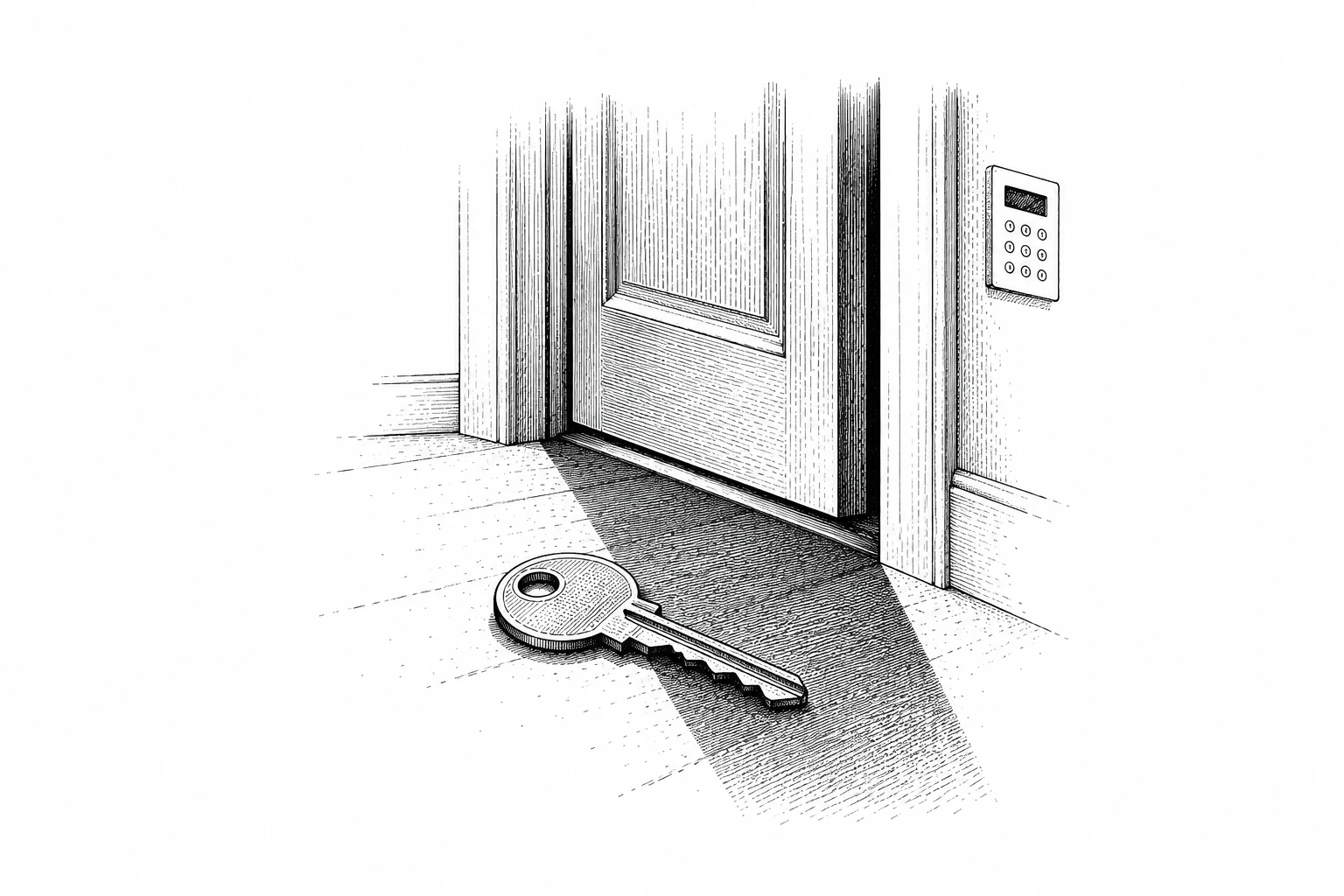
The instructions were domestic enough: two keypads near the television, six sensors on the windows, a call to Rafi before anyone went inside. Then the context catches up. The apartment belonged to Jeffrey Epstein’s world. The security arrangements came through Israel’s consulate. The guest was Ehud Barak.
A January 2016 email from Barak’s wife, Nili Priell Barak, describes a technician’s visit and explains that Rafi could disable the alarm remotely when staff needed access. The correspondence survives as DOJ document EFTA00331291, publicly transcribed by Jmail. Drop Site News traced the wider arrangements to officials responsible for protecting the former Israeli prime minister.
Protecting a former prime minister is a perfectly intelligible government function. Choosing to sustain that protection inside a convicted sex offender’s hospitality network is a decision worth examining. By 2016, nobody needed a clairvoyant to recognize the reputational cost of accepting Epstein’s accommodations. The arrangement continued anyway.
The apartment was separate from Epstein’s notorious mansion. Drop Site identifies a company connected to his brother as its technical owner and Jeffrey as the person who effectively controlled it. Its reporting describes access coordination and staff checks extending into 2017. Barak’s protection was being fitted around a household run through Epstein’s employees.
What the email gives us is unusually concrete. Someone had to authorize a technician. Someone had to arrange entry. Someone had to explain the alarm to the staff. These are the small administrative acts through which powerful people make an uncomfortable association ordinary. A disreputable host becomes the man whose assistant can sort out the apartment.
There is no need to turn six window sensors into a secret recording studio. The document describes protective security, and it does not establish a sexual-blackmail operation. Its importance lies in the contact it does show: a state’s protective apparatus coordinating with Epstein’s staff so that a former head of government could stay in comfort.
The political response has largely followed familiar loyalties. Drop Site sought comment from Barak and the Israeli mission to the United Nations without receiving a response. Benjamin Netanyahu argued that Barak’s relationship with Epstein did not show Epstein worked for Israel. That answers a much larger proposition than the administrative record requires anyone to accept.
The narrower questions deserve answers of their own. Who approved these accommodations? What scrutiny did the location receive? How were the risks to the protected official assessed? A government that can organize access to an apartment can explain the policy behind choosing it. The responsibility belongs to the officials who made those choices.
Epstein’s hospitality gave him a place in the daily logistics of powerful men. The alarm email shows that advantage at work, in the language of an ordinary household errand. It is precisely the ordinariness that should bother us. His guests had security professionals. They still kept coming.
The apartment correspondence is read through its public DOJ-document transcription; the linked Drop Site investigation supplies the wider chronology.
Sources & further reading
- Drop Site: Israeli protective security at Epstein’s Manhattan apartmentDrop Site News
- EFTA00331291: Nili Priell Barak’s January 2016 alarm emailDOJ email record / Jmail public transcription
SPY REGISTER MEMBERSHIP
Stay on the case.
Follow this story through the case files, read The Brief and keep your own saved reports.
$6.67 a month equivalent · $80 billed annually. Or $8 monthly.
Get the member edition →Renews automatically. Cancel renewal online.