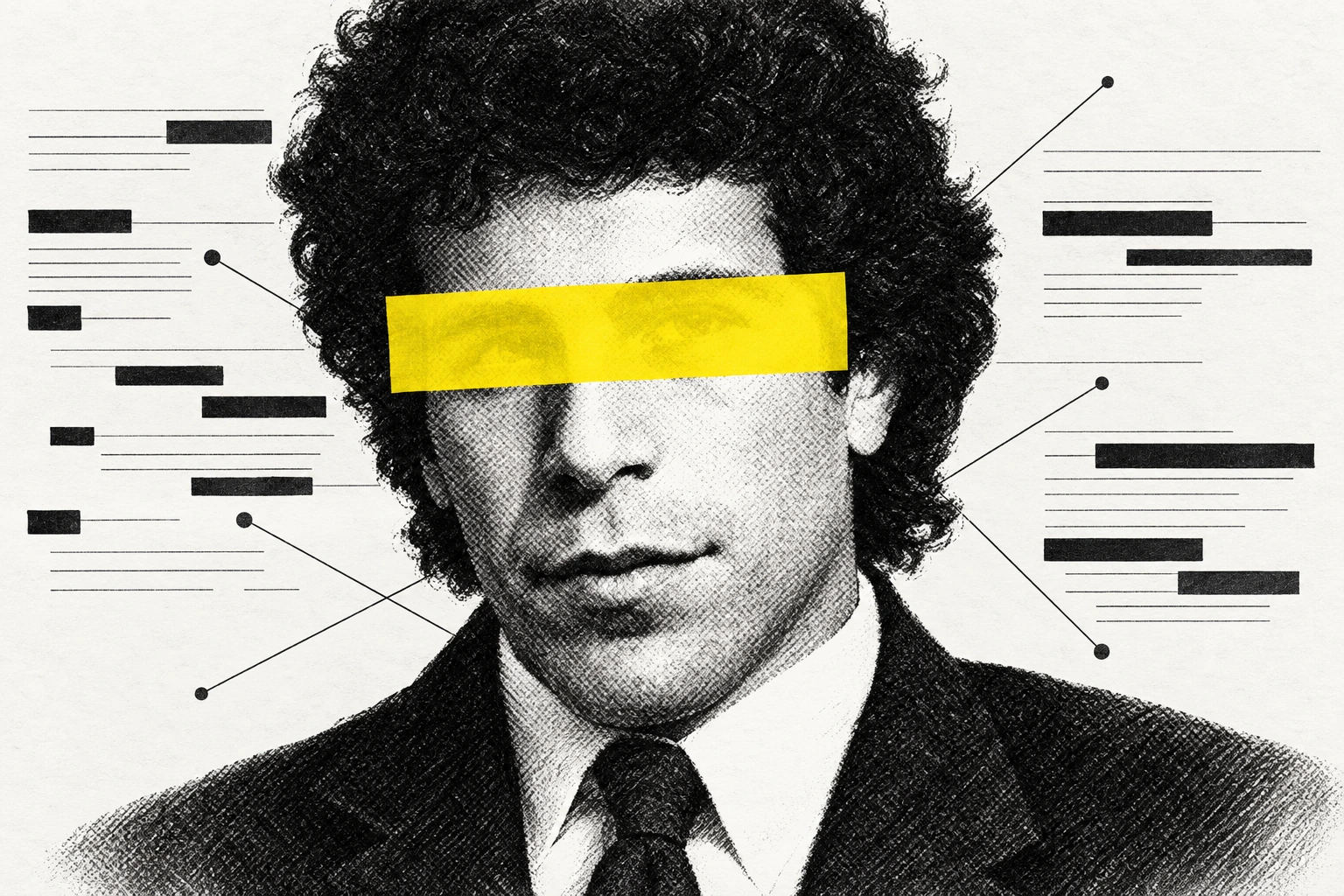
Epstein: Israel’s Useful Monster
Epstein’s money, apartments and foreign contacts were useful to Israel’s security establishment. The Mossad theory starts with what he actually did.
Opinion · The editorial view of Spy Register.
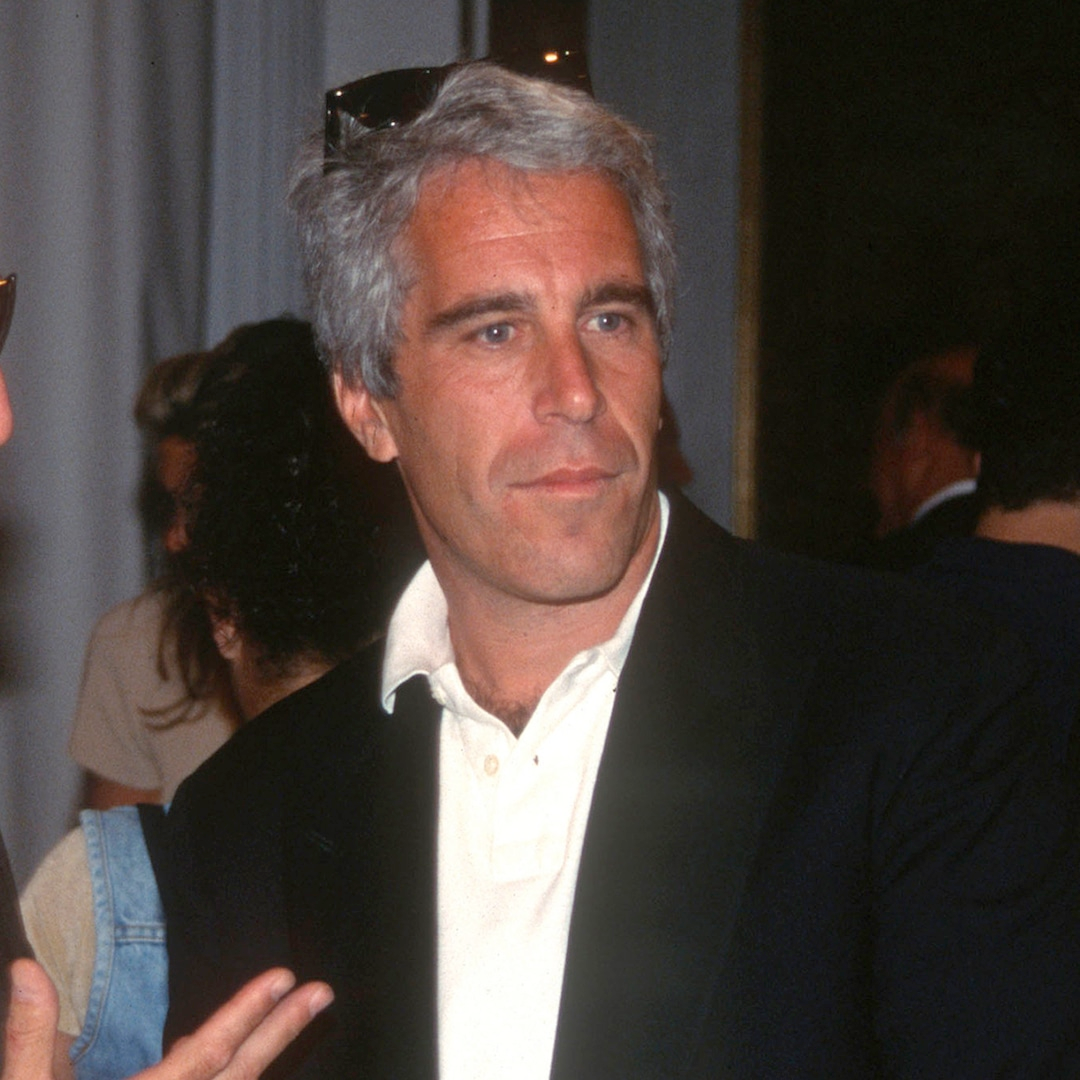
Jeffrey Epstein was a convicted sex offender when Ehud Barak helped him put $1 million into an Israeli police-technology company. Seven years after his guilty plea, the former Israeli prime minister was doing business with him in an industry whose customers were governments. Epstein’s reputation had apparently become a tolerable cost of doing business.
Spy Register’s view is that Epstein was functioning as an asset to Israeli intelligence. The case for a Mossad relationship rests on the services he could provide: money, introductions, accommodation and private channels into foreign governments. His precise arrangements with an agency remain unresolved. The work itself deserves a much harder look.
The investment went into Reporty, later renamed Carbyne. Forbes traced Epstein’s money through a holding company Barak established; Carbyne’s chief executive said he had been unaware of Epstein’s involvement. In 2018, Barak also approached Epstein about promoting Toka, a surveillance business, to senior officials and heads of government. Toka said its leadership knew nothing of that approach. Here was a man with a sex conviction whose government contacts still had commercial value to a former Israeli defense minister.
Working from congressional calendars and leaked Barak emails, Drop Site News reported in November 2025 that Yoni Koren stayed at Epstein’s Manhattan apartment on at least three occasions, in 2013, 2014 and 2015. One visit lasted two weeks. Koren was a veteran of AMAN, Israel’s military intelligence directorate, and a longtime Barak aide. The outlet traced his earlier covert work alongside Mossad to his account to journalist Ronen Bergman.
The apartment was separate from Epstein’s mansion, a detail Drop Site corrected. The actual arrangement is striking enough: an Israeli intelligence veteran repeatedly used lodging supplied by Epstein, including during Barak’s final months as defense minister. Accommodation gave the association a practical value. It tells us more about what Epstein provided than another photograph of men at dinner.
Mongolia gives the association a foreign-policy dimension. Drop Site reported that Epstein helped coordinate Barak’s contacts and participated in an advisory effort involving the country’s leadership. In 2014, after a prompt from Epstein, Barak sent a proposal covering intelligence capabilities and mobile-network monitoring. Israeli and Mongolian officials reached an emergency-services cooperation agreement in 2017. Epstein’s role in completing that final agreement is unclear; his participation in the earlier effort is the point.
Epstein’s value lay in assembling people who could move a proposal from private conversations toward a foreign government. An intelligence service has obvious reasons to value that ability. His money financed technology; his accommodation helped sustain contacts; his introductions created opportunities abroad. Those contributions make the asset theory persuasive.
The Russian correspondence is more revealing still. Drop Site’s October 2025 investigation described Epstein helping Barak pursue a backchannel to Moscow during the Syrian civil war. He advised on Putin’s circle and Barak’s messaging. In one exchange, he counseled Barak about the timing of approaching someone the reporters identify as the Mossad chief. Barak later told a Putin aide that two messages had been conveyed to senior recipients whose identities the email left unspecified.
The Russian exchanges concern what Epstein’s powerful friends were trying to accomplish. Private access was being applied to an Israeli security problem, and Epstein was helping make the channel useful. His role in those discussions explains why an intelligence service might value him. It also explains why his guest list, examined purely as a catalogue of celebrity vice, tells only part of the story.
The FBI also received a direct allegation of a Mossad relationship. Source report EFTA00090314 records an informant’s conviction that Epstein had been co-opted by the agency, with allegations involving Barak and Alan Dershowitz. An informant’s belief carries less weight than corroborated correspondence. It becomes relevant alongside evidence that Epstein was already operating among Israeli intelligence veterans and helping advance security business abroad.
The Maxwell history adds another reason to take the possibility seriously. In a 2021 Times of Israel interview, Julie K. Brown, whose Miami Herald investigation exposed Epstein’s plea deal, identified the family connection as an avenue worth pursuing. She pointed to Robert Maxwell’s intelligence connections and Epstein’s relationship with him. Brown’s judgment matters because it comes from a reporter who did the work that made this case impossible to bury.
The denials are on the record. Naftali Bennett categorically rejected the Mossad allegation. Barak has denied improper conduct and expressed regret over knowing Epstein. The Justice Department and FBI said in July 2025 that they found no credible evidence he blackmailed prominent people; the earlier professional-responsibility review found no evidence he received leniency as an intelligence asset. A theory of an Israeli-directed sexual-blackmail operation therefore demands evidence beyond the activities described here.
The broader intelligence case is already formidable enough to argue. Epstein put money into Israeli security technology, accommodated an intelligence veteran and helped Barak navigate foreign governments. Those were useful contributions to a world in which official business and private profit repeatedly met. Treating every transaction as an isolated social oddity makes the overall picture harder to understand.
We think the most persuasive reading is that Epstein’s usefulness to Israeli intelligence was central to these relationships. He brought money, ministers and intelligence veterans into private channels that could serve Israeli interests. The agency question concerns who cultivated that usefulness and what they received in return. Mossad belongs at the center of that inquiry. Epstein had a service to offer, and men from Israel’s security establishment kept finding reasons to use it.
Opinion based on the linked reporting and documents. Drop Site’s accounts draw partly on leaked Barak emails; their provenance and the outlet’s corroboration methods are discussed in its reports.
Corrections & updates
22 Oct 2026 Rewritten editorial with a new headline and argument, incorporating additional reporting on Israeli security technology, Yoni Koren, Mongolia and the Russia backchannel. The original publication date and URL are preserved.
22 Oct 2026 Headline revised to Epstein: Israel’s Useful Monster. The editorial argument, sourcing, photograph and article text are unchanged.
Sources & further reading
- DOJ and FBI memorandum on the Epstein review, July 2025U.S. Department of Justice · National Security
- ABC News: key takeaways from the DOJ review of Epstein’s dealABC News
- AP: Barak regrets knowing Epstein after files detail their friendshipAssociated Press via CityNews
- TIME: Bennett denies Epstein worked for MossadTIME
- FBI confidential-source reporting document EFTA00090314, mirrored by PlainSiteFBI source report / PlainSite document mirror
- Forbes: Epstein’s $1 million police-technology investment through BarakForbes / publisher article service
- Drop Site: Yoni Koren’s stays at Epstein’s Manhattan apartmentDrop Site News
- Drop Site: Epstein’s role in Israeli security contacts with MongoliaDrop Site News
- Drop Site: Epstein and Barak’s Russia backchannel over SyriaDrop Site News
- The Times of Israel interviews Julie K. Brown about Epstein and the Maxwell connectionThe Times of Israel
SPY REGISTER MEMBERSHIP
Stay on the case.
Follow this story through the case files, read The Brief and keep your own saved reports.
$6.67 a month equivalent · $80 billed annually. Or $8 monthly.
Get the member edition →Renews automatically. Cancel renewal online.