
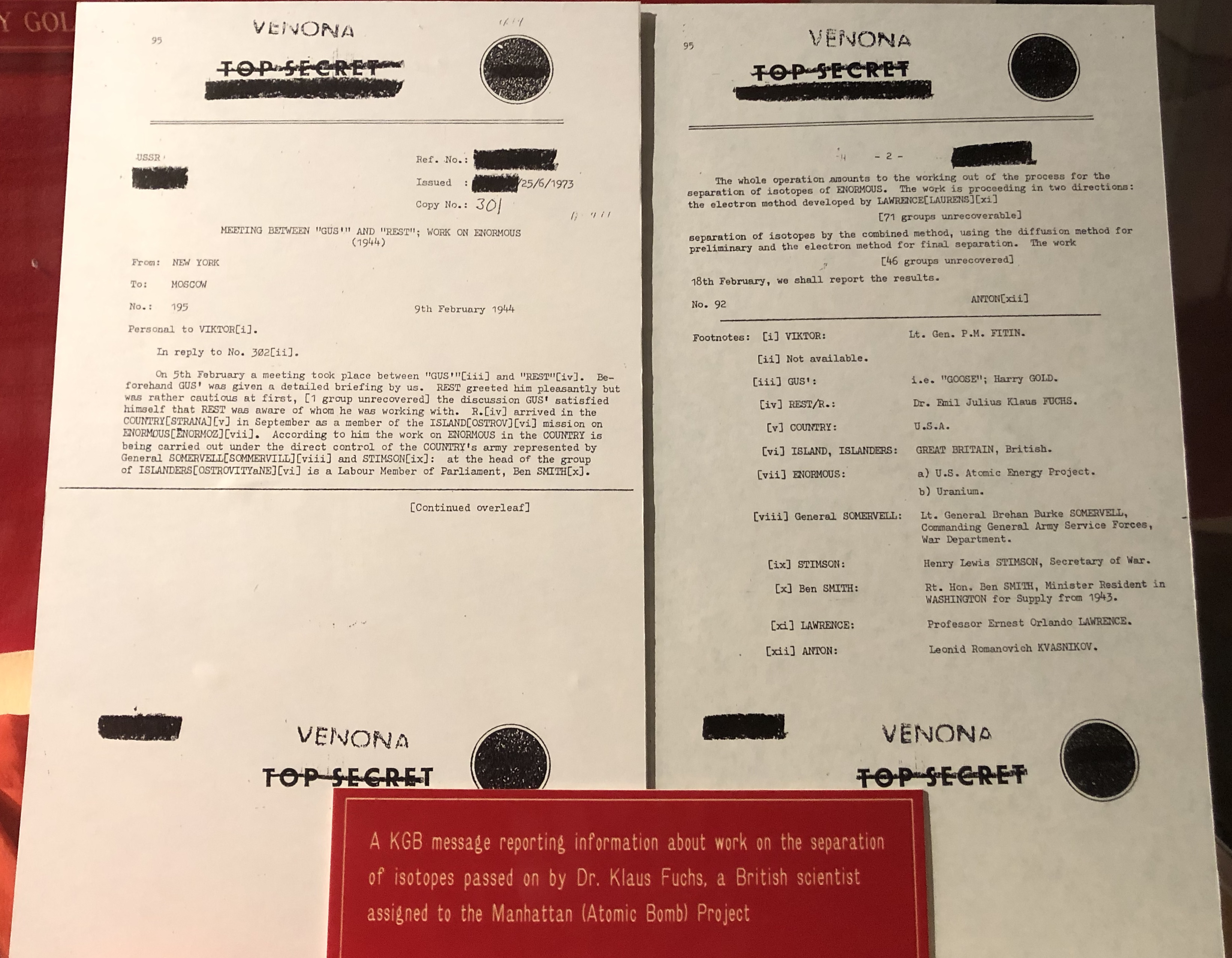
The reused code pages that opened Moscow’s secrets
VENONA grew from a small Army project into a decades-long intelligence partnership. Its surviving messages also show the limits of reading an enemy’s traffic.
SPY REGISTER
VENONA grew from a small Army project into a decades-long intelligence partnership. Its surviving messages also show the limits of reading an enemy’s traffic.
A safecracker sent to sabotage Britain surrendered after landing in December 1942; MI5 used a staged factory bombing to convince his German handlers he had succeeded.
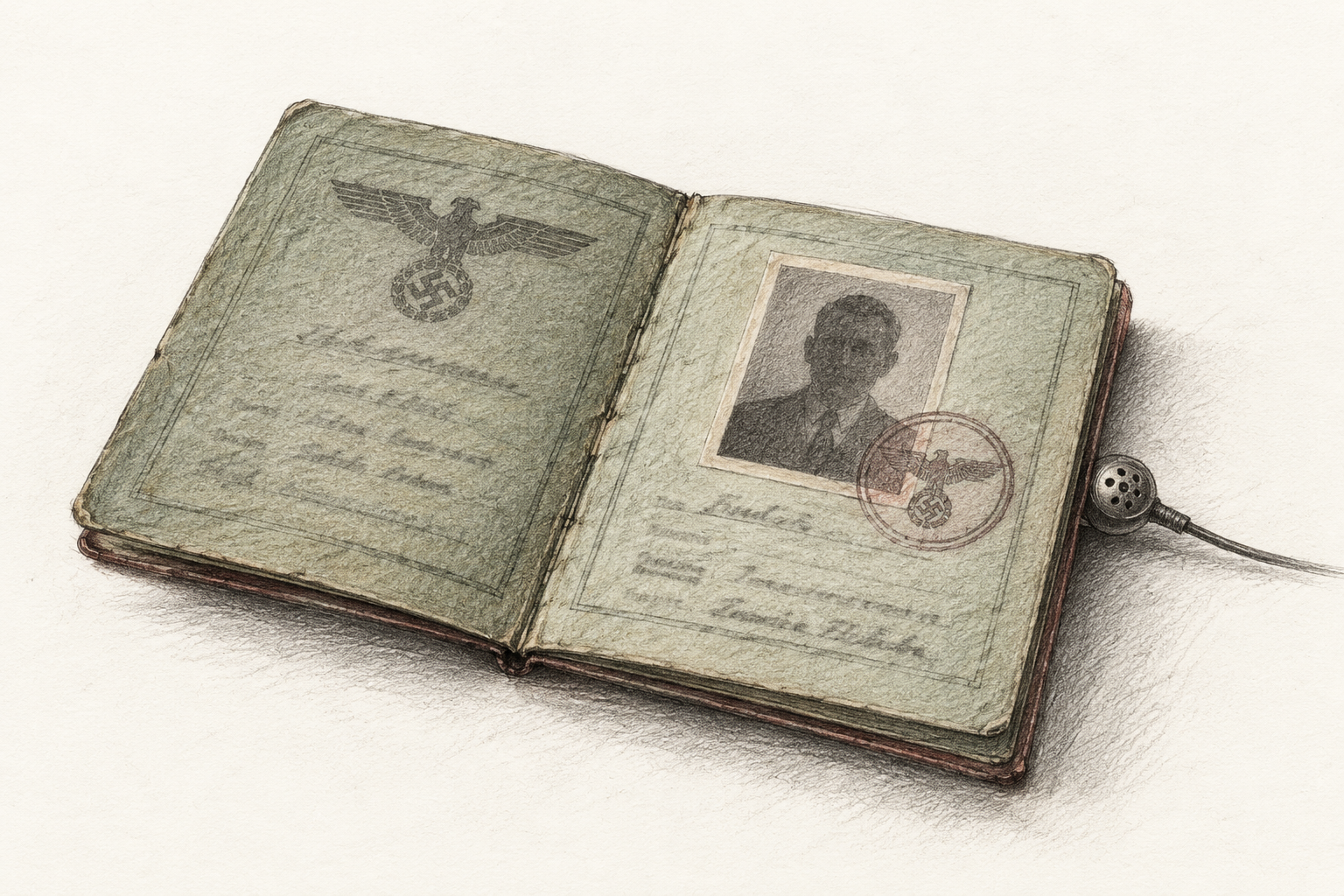
Eric Roberts used a forged German identity card and a bugged London flat to receive military information from British Nazi sympathisers.
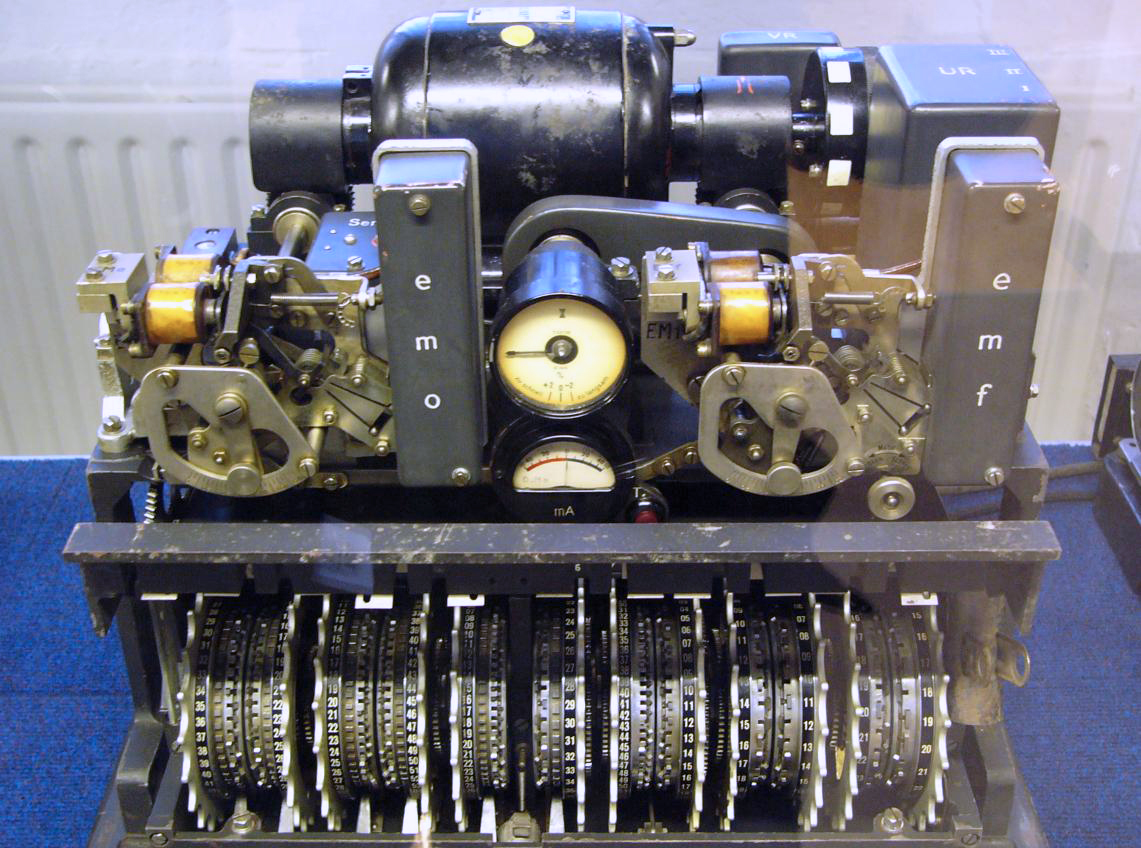
One breach of procedure gave Bletchley Park an opening into the communications of the German High Command.
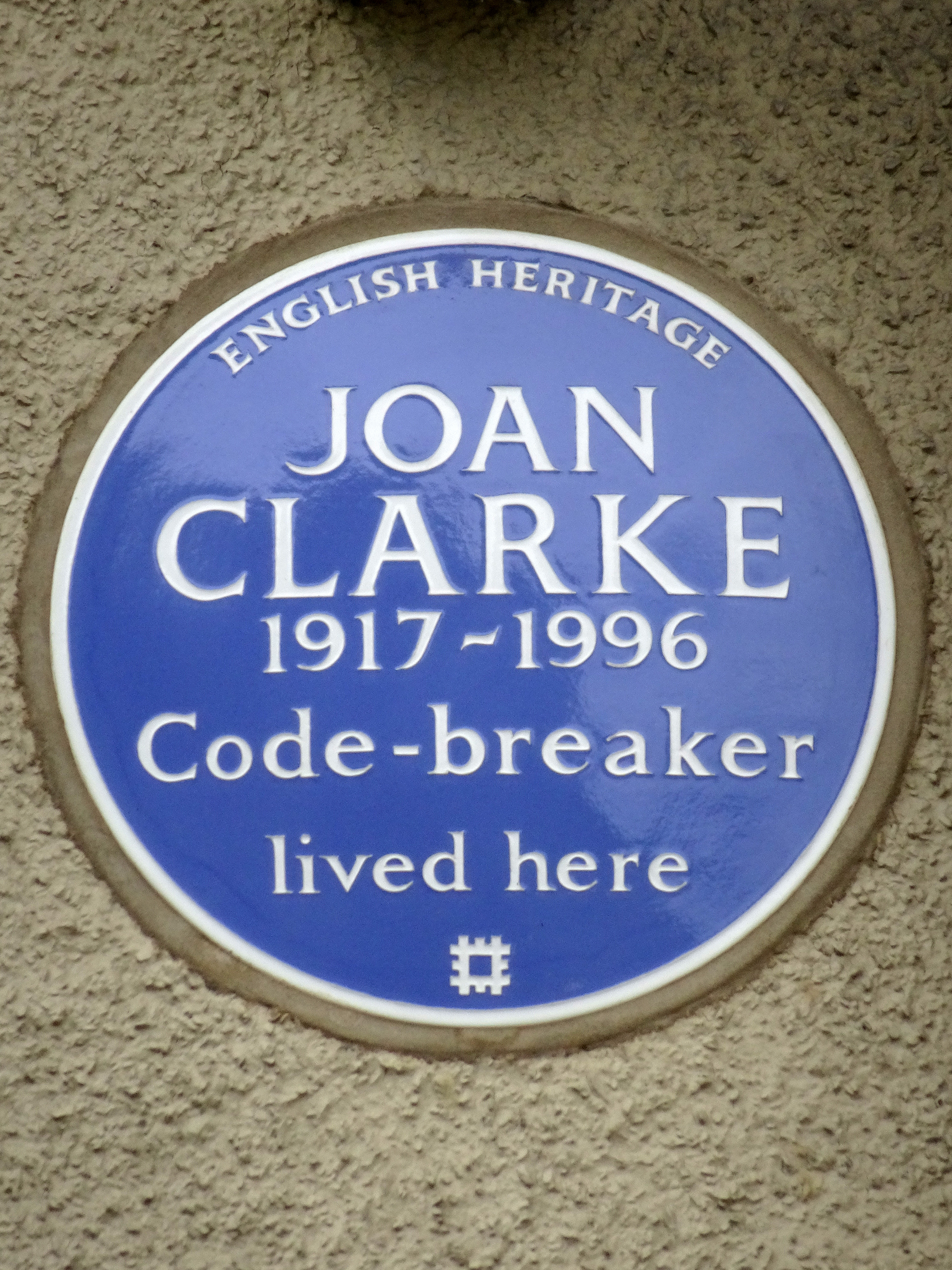
The Hut 8 specialist helped attack naval Enigma, became a wartime deputy and continued her intelligence career at GCHQ.
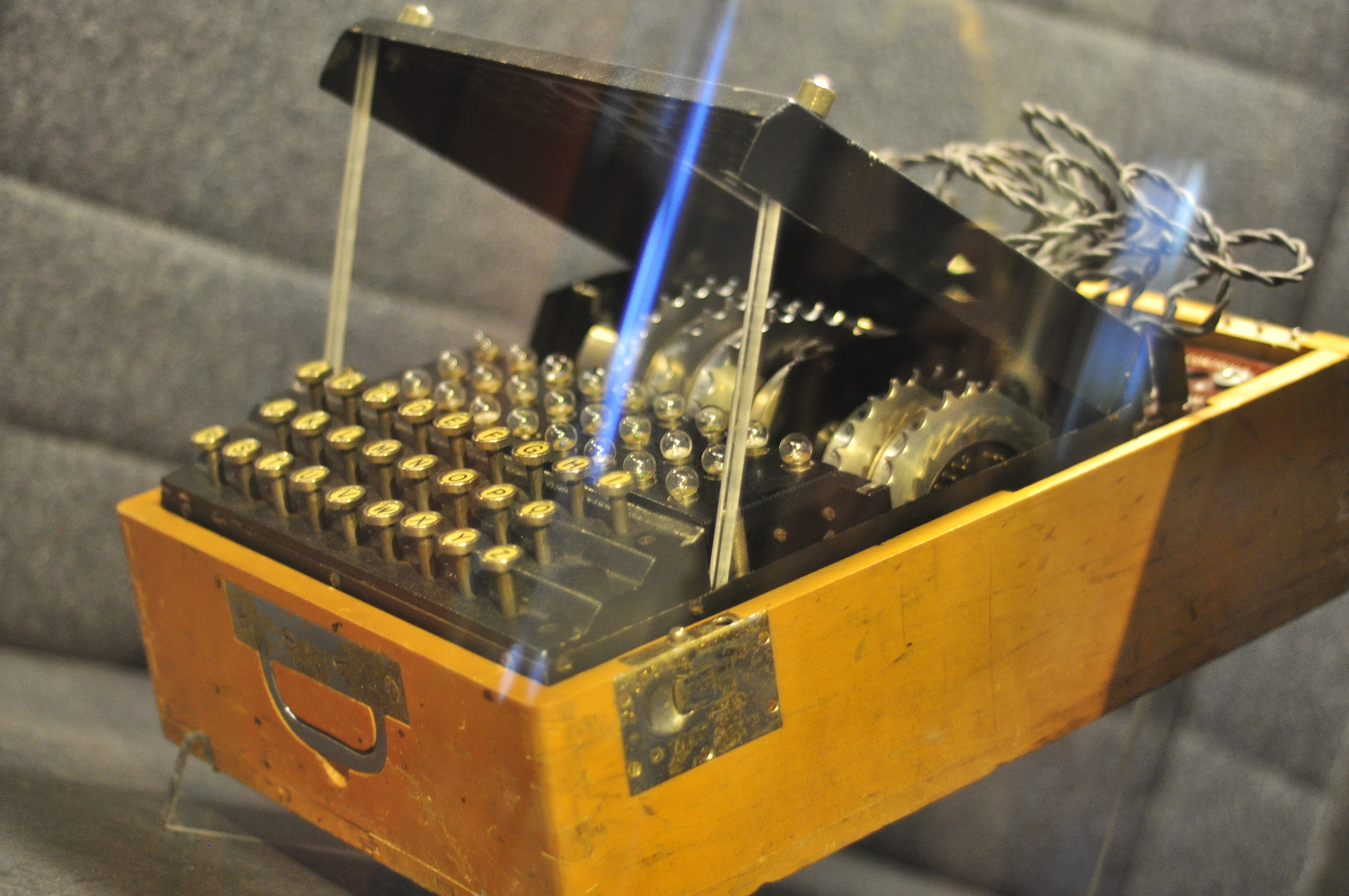
The July 1939 meeting outside Warsaw exposed how far Polish codebreakers had advanced—and helped turn Britain toward the methods Enigma required.
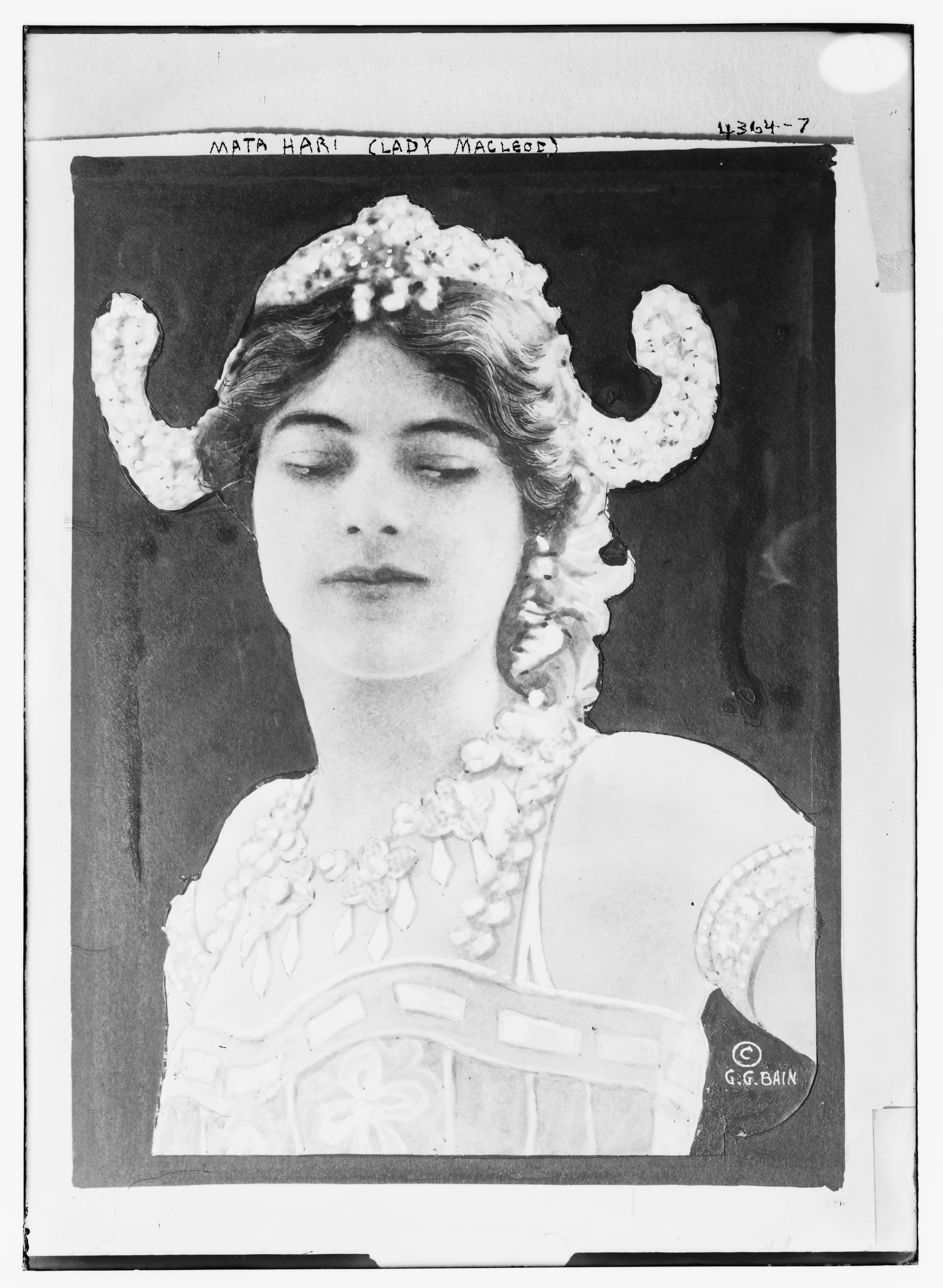
French intelligence offered a mission to a woman already watched by Britain. The surviving account describes an extravagant price and an ineffective amateur.
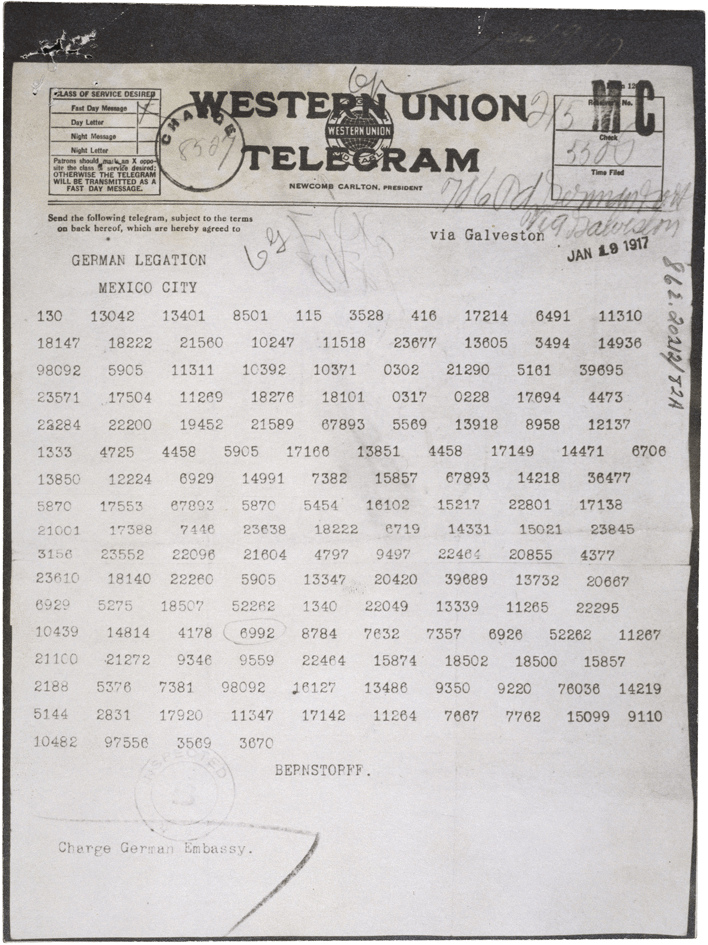
The Zimmermann Telegram became a diplomatic weapon in 1917. London first had to hide how it had acquired it.
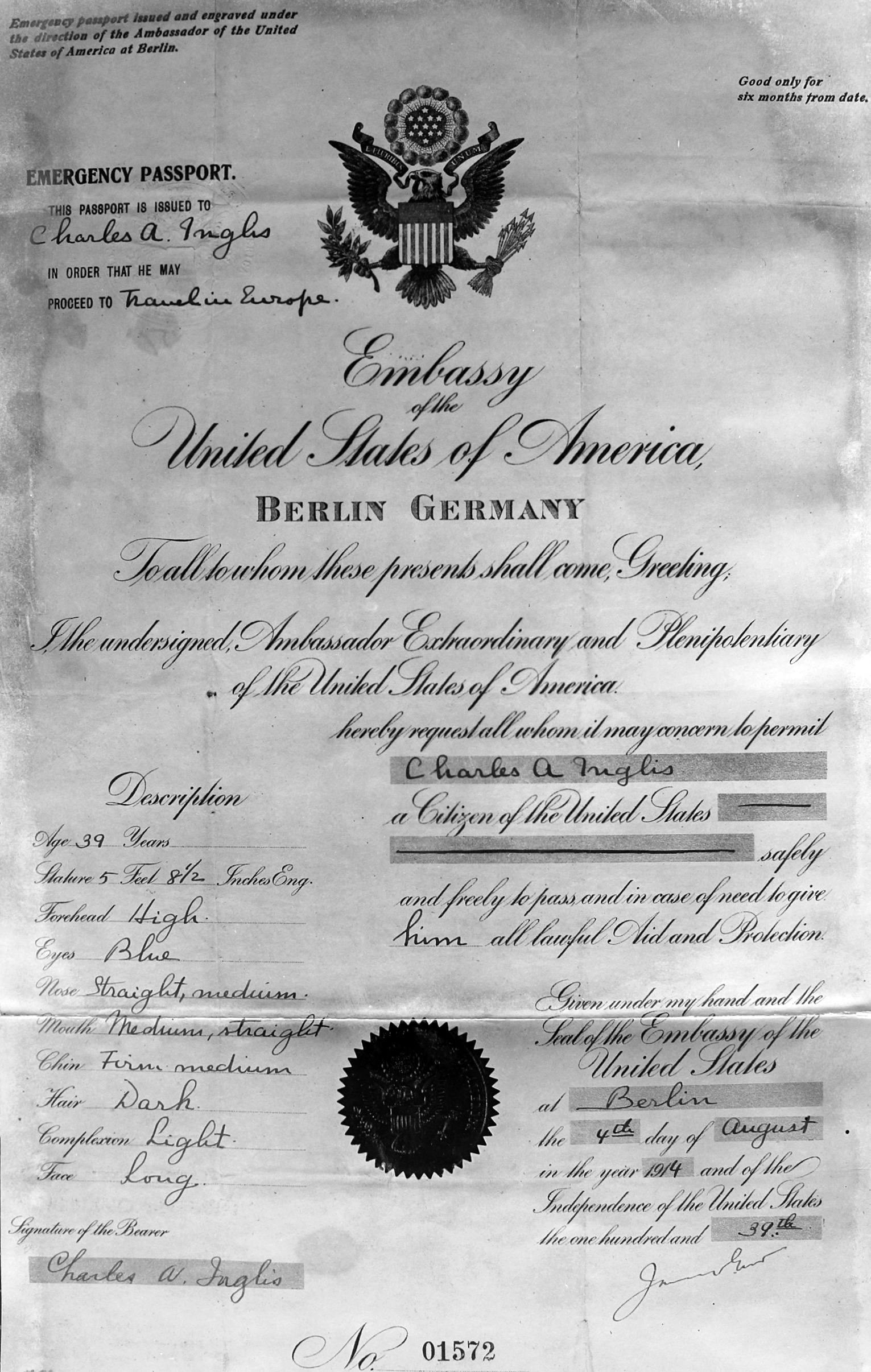
Carl Hans Lody travelled with an American passport. British censors read his messages, and a label in his jacket exposed his real identity.